- Finding Utopia Newsletter
- Posts
- Best Coral Reef Systems in the Philippines — Exploring the Country’s Underwater Treasures
Best Coral Reef Systems in the Philippines — Exploring the Country’s Underwater Treasures
Stories: Best Coral Reef Systems in the Philippines — Exploring the Country’s Underwater Treasures; Manta Rays of the Philippines — A Graceful Encounter Beneath the Waves; El Nido, Palawan — A World-Class Beach Escape Recognized Globally

KGM Resorts
April 03, 2026
Sponsored by

Hello and Mabuhay!
Welcome to Finding Utopia — your trusted guide to exploring the wonders of the Philippines and beyond.
In this edition, we bring you inspiring stories and essential travel insights to fuel your next adventure:
Best Coral Reef Systems in the Philippines — Exploring the Country’s Underwater Treasures
Manta Rays of the Philippines — A Graceful Encounter Beneath the Waves
El Nido, Palawan — A World-Class Beach Escape Recognized Globally
Wherever you're dreaming of going next, we're here to guide you closer to your utopia.
Enjoy the read!
— The Finding Utopia Team
Best Coral Reef Systems in the Philippines — Exploring the Country’s Underwater Treasures
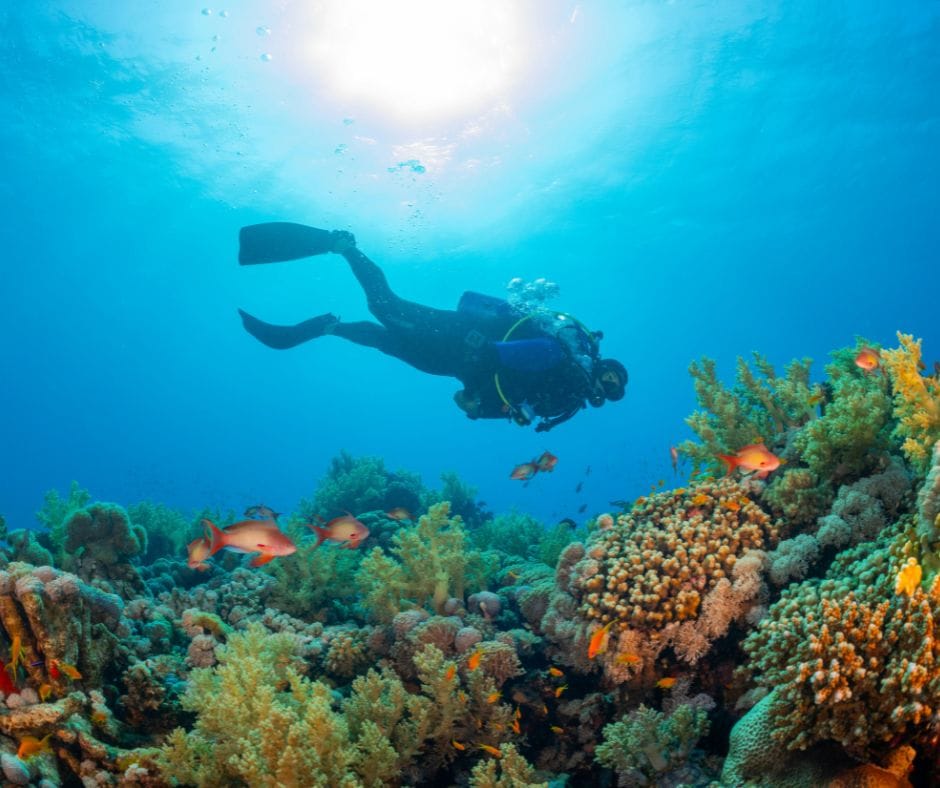
Beneath the crystal-clear waters of the Philippines lies one of the most diverse marine ecosystems on Earth. Located at the heart of the Coral Triangle, the country is home to an extraordinary concentration of coral species and marine life—making it one of the top destinations globally for diving and snorkeling. From vibrant coral gardens to dramatic reef walls, these ecosystems are not only visually stunning but also essential to coastal protection, food security, and local livelihoods.
Beyond their beauty, coral reef systems in the Philippines play a vital role in sustaining marine biodiversity and supporting tourism across the archipelago. Whether you are an experienced diver or a first-time snorkeler, these reefs offer unforgettable encounters with sea turtles, reef sharks, and colorful tropical fish. Below are some of the most remarkable coral reef systems that define the Philippines’ underwater world.
Tubbataha Reefs Natural Park — A Pristine Marine Sanctuary
Located in the Sulu Sea, Tubbataha is one of the most protected reef systems in the country.
A UNESCO World Heritage Site known for its near-pristine condition
Features dramatic coral walls and deep drop-offs
Home to sharks, manta rays, and large pelagic species
Apo Reef Natural Park — The Largest Reef System
Apo Reef is the largest contiguous coral reef system in the Philippines and one of the most significant in Southeast Asia.
Expansive coral gardens with diverse marine life
Ideal for both snorkeling and diving
Frequent sightings of sea turtles and reef sharks
Apo Island — A Model for Community Conservation
Apo Island stands as a success story in marine protection.
One of the first community-led marine sanctuaries in the Philippines
Healthy shallow reefs ideal for beginners
Known for close encounters with sea turtles
Balicasag Island — Accessible and Vibrant
Just off Bohol, Balicasag offers one of the most accessible reef experiences in the Visayas.
Famous for steep coral walls and clear waters
Large schools of fish and frequent turtle sightings
Suitable for both snorkeling and diving
Coron Reefs — Where History Meets Marine Life
Coron offers a unique blend of natural reefs and historic shipwrecks.
World War II wrecks transformed into thriving artificial reefs
Diverse marine life surrounding coral-covered structures
Combines wreck diving with reef exploration
Why These Coral Reefs Matter
The best coral reefs in the Philippines are defined by biodiversity, coral health, and strong conservation efforts. Many of these sites are protected marine areas, allowing ecosystems to recover and thrive. These reefs not only support marine life but also protect coastlines and sustain local communities.
From the untouched waters of Tubbataha to the community-protected reefs of Apo Island, the Philippines showcases the beauty and importance of marine ecosystems. Protecting these reefs ensures that future generations can continue to experience one of the world’s richest underwater environments.
Manta Rays of the Philippines — A Graceful Encounter Beneath the Waves
In the vibrant waters of the Philippines, one of the ocean’s most captivating creatures glides in quiet elegance—the manta ray. Often called the “gentle giants of the sea,” these majestic animals move effortlessly through the water, creating one of the most unforgettable wildlife encounters in the marine world. With wingspans reaching several meters, their presence is both powerful and serene, offering divers and ocean lovers a rare connection with nature.
The Philippines, located within the Coral Triangle, provides the perfect environment for manta rays to thrive. Its nutrient-rich waters, expansive reef systems, and strong ocean currents create ideal feeding and migratory conditions. For travelers seeking meaningful and immersive marine experiences, encountering manta rays is not just a highlight—it’s a moment that defines the journey. Below are key insights into where to see them and what makes these encounters truly extraordinary.
Ticao Pass — The Manta Ray Capital
Ticao Pass in Masbate stands as the most reliable location to see manta rays in the Philippines.
Known for consistent seasonal sightings, especially from December to May
Features cleaning stations where manta rays gather
Nutrient-rich waters attract plankton, their primary food source
Tubbataha Reefs Natural Park — A Pristine Sanctuary
Located in the Sulu Sea, Tubbataha is a world-renowned marine reserve.
A UNESCO World Heritage Site with untouched reef ecosystems
Occasional manta ray sightings in deep, open waters
Accessible only by liveaboard during a limited season
Encounters here feel rare and powerful, set within one of the world’s healthiest marine environments.
Apo Reef Natural Park — Remote and Untamed
Apo Reef offers a more rugged and wild diving experience.
One of the largest coral reef systems in the region
Strong currents attract pelagic species, including manta rays
Rich biodiversity with turtles, sharks, and reef fish
Bohol Sea — A Migratory Corridor
Unlike fixed dive sites, the Bohol Sea represents movement and unpredictability.
Serves as a migratory route for manta rays
Sightings are occasional but deeply rewarding
Rich pelagic environment with diverse marine life
Behavior and Intelligence — More Than Just Size
Manta rays are among the most intelligent fish in the ocean.
Feed on plankton using specialized filtering techniques
Display social behaviors and curiosity toward divers
Known for their long lifespan and migratory patterns
Their grace is matched by intelligence, making each interaction even more meaningful.
A Once-in-a-Lifetime Marine Experience
From the reliable encounters of Ticao Pass to the remote beauty of Tubbataha and Apo Reef, the Philippines offers some of the best opportunities in the world to witness manta rays in their natural habitat. These gentle giants represent the beauty, balance, and mystery of the ocean—reminding us of the importance of protecting marine ecosystems.
Every sighting is a privilege, and with responsible travel, these extraordinary encounters can continue for generations to come.

El Nido, Palawan — A World-Class Beach Escape Recognized Globally

The Philippines continues to earn global recognition for its breathtaking natural landscapes, and once again, El Nido in Palawan has taken center stage. Recently featured by the BBC as one of the world’s top-recommended beach escapes, El Nido stands as a shining example of the country’s world-class coastal destinations. Known for its towering limestone cliffs, turquoise lagoons, and pristine white-sand beaches, this iconic destination continues to capture international attention and inspire travelers worldwide.
This recognition not only highlights El Nido’s natural beauty but also reinforces the Philippines’ growing reputation as a premier travel destination in Southeast Asia. With its unique geological formations and rich marine biodiversity, El Nido offers more than just scenic views—it delivers an immersive experience shaped by nature. Below are key reasons why this destination continues to stand out on the global stage.
Globally Recognized Beach Destination
El Nido’s inclusion in BBC’s top beach escapes reflects its international appeal.
Recognized for its exceptional natural beauty and unique landscapes
Continues to attract global media attention and турист interest
Represents the Philippines on the world tourism stage
Dramatic Limestone Cliffs and Lagoons
One of El Nido’s most defining features is its striking geography.
Towering karst limestone formations surround hidden lagoons
Crystal-clear waters create stunning contrasts against rugged cliffs
Secret beaches and coves offer secluded, untouched experiences
Rich Marine Biodiversity
Beyond its surface beauty, El Nido is home to thriving marine ecosystems.
Coral reefs support diverse marine life
Ideal for snorkeling, diving, and island hopping
Protected areas help preserve underwater biodiversity
Hub for Sustainable Tourism
El Nido has become a model for responsible travel practices.
Conservation efforts aim to protect fragile ecosystems
Regulations help manage tourism impact
Promotes eco-friendly tours and sustainable experiences
Gateway to Island Adventures
El Nido offers a wide range of unforgettable experiences.
Island hopping tours explore lagoons, beaches, and reefs
Kayaking through hidden lagoons provides close encounters with nature
Scenic viewpoints offer panoramic views of Bacuit Bay
Why El Nido Continues to Shine
El Nido’s global recognition is more than just a title—it reflects the enduring appeal of the Philippines’ natural wonders. Its combination of dramatic landscapes, rich biodiversity, and sustainable tourism efforts makes it one of the most remarkable destinations in the world.
As international attention grows, El Nido stands as a symbol of what makes the Philippines truly special—a place where nature, adventure, and conservation come together.


Your Retirement Savings Need to Outlast You

Most retirement plans underestimate two things: how long your savings need to last, and how quietly inflation erodes them along the way.
The 15-Minute Retirement Plan helps you close both gaps with practical guidance on longevity risk, purchasing power, and building a financial plan that doesn't run out before you do.
If you have $1,000,000 or more saved, download your free guide to start.
Reply