- Finding Utopia Newsletter
- Posts
- Best Places to Experience Holy Week in the Philippines — Faith, Culture & Travel
Best Places to Experience Holy Week in the Philippines — Faith, Culture & Travel
Storiea: Best Places to Experience Holy Week in the Philippines — Faith, Culture & Travel; Tobacco Farming in the Philippines — A Tradition at a Turning Point; Northern Negros Natural Park — A Sanctuary of Rare Wildlife and Forest Life

KGM Resorts
March 31, 2026

In partnership with

Hello and Mabuhay!
Welcome to Finding Utopia — your trusted guide to exploring the wonders of the Philippines and beyond.
In this edition, we bring you inspiring stories and essential travel insights to fuel your next adventure:
Best Places to Experience Holy Week in the Philippines — Faith, Culture & Travel
Tobacco Farming in the Philippines — A Tradition at a Turning Point
Northern Negros Natural Park — A Sanctuary of Rare Wildlife and Forest Life
Wherever you're dreaming of going next, we're here to guide you closer to your utopia.
Enjoy the read!
— The Finding Utopia Team
Best Places to Experience Holy Week in the Philippines — Faith, Culture & Travel
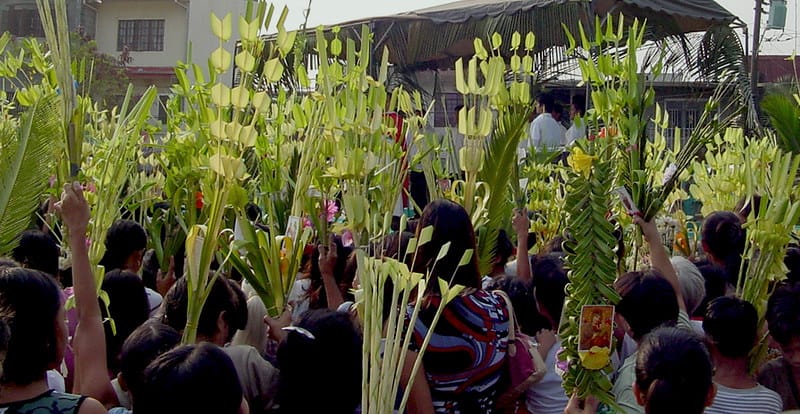
Holy Week in the Philippines is one of the most powerful cultural and spiritual experiences in the country. Known as Semana Santa, it transforms entire towns, cities, and provinces into spaces of reflection, devotion, and tradition. Streets become processional routes, churches fill with pilgrims, and communities come together to observe rituals that have been passed down for generations.
For travelers, Holy Week offers more than just a religious event—it is a window into Filipino identity, where faith and culture are deeply intertwined. Across the archipelago, different destinations offer unique expressions of this sacred time. Some places are known for dramatic reenactments, while others provide quiet, reflective settings perfect for prayer and pilgrimage.
Pampanga — Dramatic Expressions of Faith
Pampanga is one of the most well-known Holy Week destinations in the Philippines.
Famous for Senákulo reenactments and intense religious practices.
Some devotees perform acts of penance as expressions of faith.
Towns like San Fernando become centers of Holy Week activity.
This region offers one of the most intense and visually striking Holy Week experiences in the country.
Marinduque — The Moriones Festival
Marinduque is often called the Lenten Capital of the Philippines.
Hosts the Moriones Festival, where participants wear Roman soldier masks.
Celebrates the story of Longinus through week-long performances.
Combines religious devotion with vibrant cultural tradition.
Vigan — A Historic and Spiritual Setting
The city of Vigan offers a quieter, more reflective Holy Week experience.
Known for candlelit processions along cobblestone streets.
Historic churches and ancestral homes create a solemn atmosphere.
Ideal for travelers seeking a cultural and spiritual experience combined.
Cebu — Faith and Festivity Combined
Cebu offers a balance between solemnity and accessibility.
Churches host large-scale processions and religious services.
Visitors can combine spiritual activities with nearby island destinations.
A mix of urban convenience and deep religious tradition.
Cebu is ideal for travelers who want both cultural immersion and flexibility.
A Journey of Faith and Discovery
Experiencing Holy Week in the Philippines is unlike anywhere else in the world. It is not just observed—it is lived through rituals, processions, and shared moments of devotion across communities.
Whether you choose the dramatic traditions of Pampanga, the cultural spectacle of Marinduque, or the quiet reflection of Bohol, each destination offers a meaningful way to understand Filipino faith and identity.

Tobacco Farming in the Philippines — A Tradition at a Turning Point
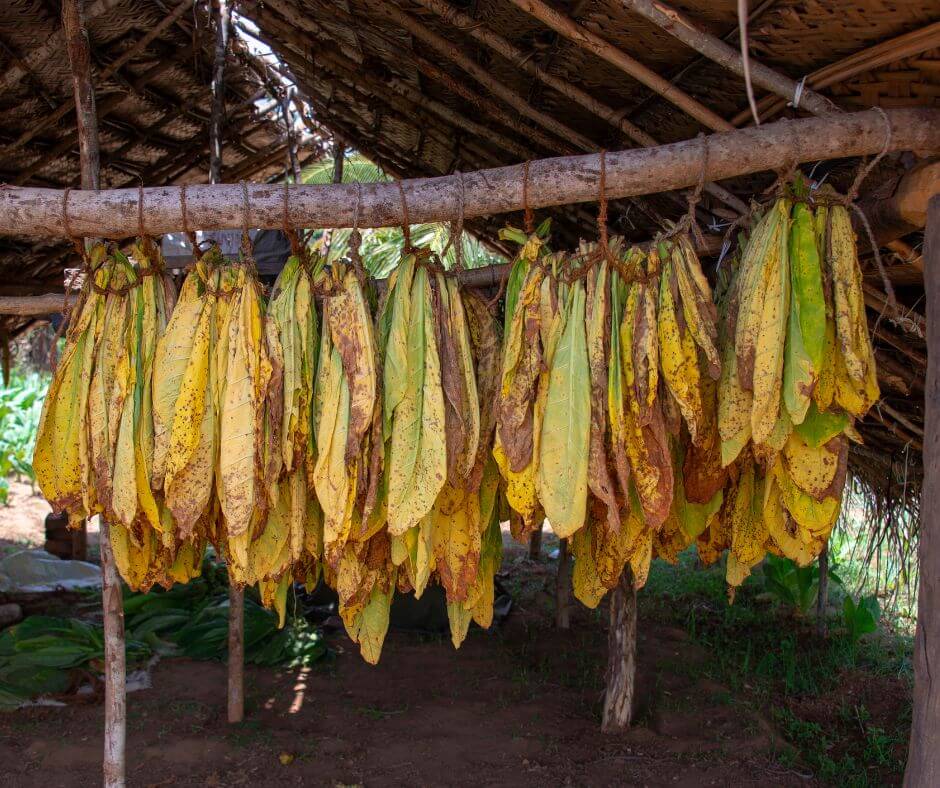
Tobacco farming in the Philippines is more than just agriculture—it is a tradition deeply rooted in the country’s history, economy, and rural identity. Introduced during the Spanish colonial period, tobacco quickly became one of the most important cash crops, shaping communities and livelihoods across generations. Today, provinces in Northern Luzon, particularly Ilocos and Cagayan Valley, remain at the heart of this industry, where farming practices continue to blend tradition with modern techniques.
For centuries, tobacco has supported local economies, providing income for thousands of farmers and contributing to the broader agricultural sector. However, the industry is now facing a period of transformation. Global demand is shifting, regulations are tightening, and environmental concerns are becoming more urgent. As a result, tobacco farming is evolving—balancing its historical legacy with the need for sustainability and resilience.
A Crop Shaped by History
Tobacco farming has deep historical roots in the Philippines.
Introduced during the Spanish colonial era, it became a major export crop.
The Tobacco Monopoly (1782–1882) controlled production and trade, shaping early agricultural systems.
After the monopoly ended, tobacco expanded as a free-market crop, supporting rural livelihoods.
Key Regions of Production
Tobacco farming is concentrated in Northern Luzon.
Ilocos Region is known for traditional and culturally rooted tobacco farming.
Cagayan Valley leads in large-scale production, especially for commercial use.
Provinces like La Union and Pangasinan contribute to regional supply.
These regions provide the climate and soil conditions ideal for growing high-quality tobacco leaves.
From Seed to Market — A Skilled Process
Tobacco farming is labor-intensive and requires precision.
Farmers manage planting, watering, and pest control throughout the growing cycle.
Leaves are harvested by hand in stages, ensuring quality.
Curing methods such as flue-curing, air-curing, and sun-curing determine the final product’s quality and value.
Challenges Facing Farmers Today
The industry is facing increasing pressures.
Declining global demand and stricter health regulations are impacting profitability.
Rising costs for labor, fuel, and fertilizers reduce farmer income.
Climate change is affecting crop yields and quality.
Shift Toward Sustainable Alternatives
Many farmers are beginning to explore new directions.
Crop diversification includes alternatives like corn, vegetables, and garlic.
Interest in organic and sustainable farming practices is growing.
Government programs encourage reduced dependence on tobacco.
Cultural Significance and Identity
Despite changes, tobacco farming remains culturally significant.
In regions like Ilocos, it is a generational tradition passed down through families.
It symbolizes resilience, discipline, and rural identity.
Local festivals and traditions continue to celebrate its heritage.
A Tradition in Transition
Tobacco farming in the Philippines stands at a crossroads. It is a legacy shaped by history, sustained by generations, and now evolving in response to modern challenges.
As farmers explore new crops and sustainable practices, the future of tobacco farming is not about abandoning tradition—but adapting it. In this transition lies an opportunity to build a more resilient agricultural system—one that honors the past while preparing for the future.

Northern Negros Natural Park — A Sanctuary of Rare Wildlife and Forest Life
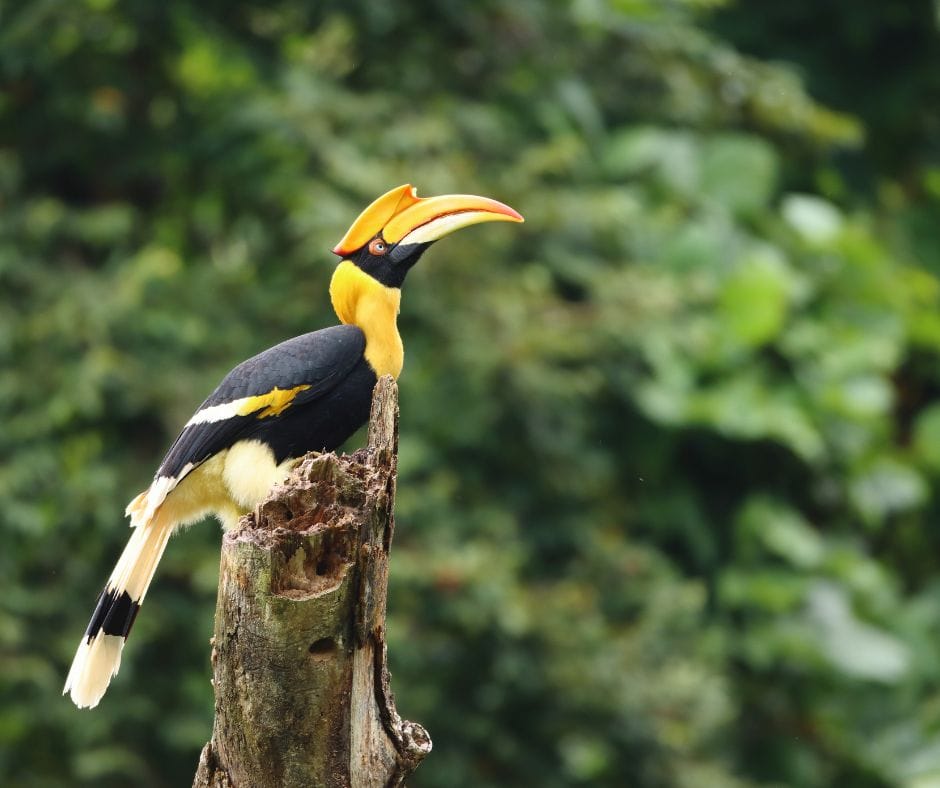
In Negros Occidental, one of the Philippines’ most important protected areas is gaining renewed attention for its rich biodiversity. The Department of Environment and Natural Resources (DENR) has recently documented a variety of notable flora and fauna species within the Northern Negros Natural Park (NNNP)—highlighting the area’s role as a vital ecological sanctuary in the Visayas.
Covering vast forest landscapes, the Northern Negros Natural Park serves as a habitat for endemic and threatened species, many of which are found only in the Philippines. These findings reinforce the park’s importance not only as a conservation site but also as a living example of the country’s natural heritage. As efforts continue to protect and study the park, it stands as a reminder of the Philippines’ extraordinary biodiversity—and the responsibility to preserve it.
Habitat for Endemic and Threatened Species
The Northern Negros Natural Park is home to a wide range of wildlife.
DENR recorded several endemic species, meaning they exist only in the Philippines.
The park provides refuge for threatened and vulnerable animals, emphasizing its conservation value.
Forest ecosystems within the park support diverse species across different habitats.
Rich Flora That Supports Biodiversity
Beyond wildlife, the park is also rich in plant life.
Various native tree species and forest vegetation were documented.
These plants play a vital role in maintaining ecological balance.
Forest cover helps sustain wildlife habitats and water systems.
Key Watershed and Environmental Resource
The Northern Negros Natural Park is more than a wildlife sanctuary—it is also an important environmental resource.
It functions as a major watershed, supplying water to surrounding communities.
Forest preservation helps regulate water flow and prevent environmental degradation.
Protecting the park ensures long-term sustainability for nearby areas.
Ongoing Research and Documentation Efforts
The DENR continues to study and monitor the park’s biodiversity.
Field surveys and documentation help identify species and track their populations.
Research supports conservation planning and environmental protection policies.
Findings raise awareness about the ecological importance of the area.
The discoveries also emphasize the importance of protecting natural ecosystems.
Conservation efforts involve cooperation between government agencies and local communities.
Protecting habitats helps preserve both wildlife and ecological balance.
Awareness and sustainable practices are essential to maintaining these natural spaces.
Why Northern Negros Natural Park Matters
The Northern Negros Natural Park is a powerful reminder of the Philippines’ status as a biodiversity hotspot. Its forests, wildlife, and ecosystems represent a natural heritage that is both rare and irreplaceable.
As new discoveries continue to emerge, the park stands not only as a site of scientific interest but also as a symbol of conservation—where protecting nature ensures a future for both wildlife and communities.
Read the full news article: “DENR documents notable fauna, flora in north Negros’ Northern Negros Natural Park.”


Adventures led by women, designed to make a difference.

Imagine a vacation that’s not only transformative for you but helps open doors for the local women you meet along the way. That’s what Intrepid’s new Women’s Expeditions in Peru, Cambodia and Bhutan are all about.
Designed specifically for women travellers, these trips offer immersive local experiences that support women-run and owned businesses in each destination. With an expert local leader out front, you could trek the lesser-known Chinchero to Urquillos route in the Peruvian Andes alongside an all-female crew, dive into Cambodia’s street food scene on a women-run tuk tuk tour, or unwind with a traditional herbal hot stone bath at a women-owned farmhouse in Bhutan.
First launched in 2018, Intrepid’s Women’s Expedition range is designed to break down barriers, foster discussion and create meaningful connections for travellers and locals alike.
Reply