- Finding Utopia Newsletter
- Posts
- Dinengdeng Festival in Agoo — A Feast of Food, Culture and Community
Dinengdeng Festival in Agoo — A Feast of Food, Culture and Community
Stories: Dinengdeng Festival in Agoo — A Feast of Food, Culture and Community; Jeepneys — More Than Transportation, A Filipino Cultural Icon; Panagbenga Festival 2026 — A Season of Blooming & Celebration in Baguio

KGM Resorts
February 10, 2026
In partnership with

Hello and Mabuhay!
Welcome to Finding Utopia — your trusted guide to exploring the wonders of the Philippines and beyond.
In this edition, we bring you inspiring stories and essential travel insights to fuel your next adventure:
Dinengdeng Festival in Agoo — A Feast of Food, Culture and Community
Jeepneys — More Than Transportation, A Filipino Cultural Icon
Panagbenga Festival 2026 — A Season of Blooming & Celebration in Baguio
Wherever you're dreaming of going next, we're here to guide you closer to your utopia.
Enjoy the read!
— The Finding Utopia Team
Dinengdeng Festival in Agoo — A Feast of Food, Culture and Community

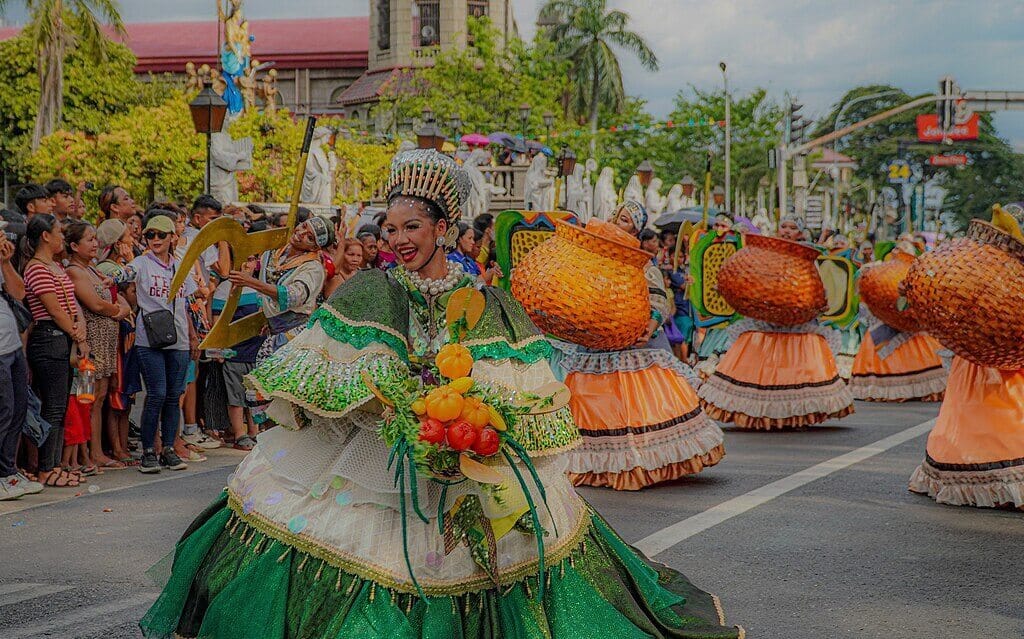
Every year in Agoo, La Union, the streets come alive with colour, flavour and shared celebration as locals and visitors gather for the Dinengdeng Festival — a lively tribute to Ilocano food culture, community pride, and the joyful spirit of shared tables. At its heart is dinengdeng, a beloved Ilocano vegetable stew that embodies simplicity, adaptability and deep connection to the land. But the festival is more than a parade of dishes — it’s a cultural expression that brings families, farmers, cooks and travellers together in a celebration of identity, heritage and joyful belonging.
Dinengdeng — More Than a Dish
Dinengdeng itself is a reflection of Ilocano practicality and ingenuity:
A vegetable stew made with seasonal garden produce.
Flavoured with bagoong (fermented fish sauce) — the backbone of Ilocano seasoning.
Flexible and adaptive — ingredients change with availability, making it both humble and hearty.
The Festival Celebrates Local Agriculture
At its core, the Dinengdeng Festival honors farmers and produce — the people and land that supply the ingredients:
Stalls lined with fresh vegetables, herbs, and local crops.
Exhibits showcasing traditional farming tools and techniques.
Homage to harvest and soil — reminding visitors that food on the table starts long before it’s cooked.
Cultural Performances & Street Parades
The festival isn’t just about tasting — it’s about feeling culture through performance:
Street dances that weave food themes into choreography.
Costumes inspired by harvest and garden motifs.
Music that echoes community rhythms and local pride.
One of the most memorable parts of the festival is the sense of community at mealtime:
Long tables set for communal dining.
Residents and visitors alike sharing bowls of dinengdeng, rice and stories.
A feeling that food is not just nourishment — it’s connection.
Workshops, Food Talks & More
Dinengdeng Festival also serves as a learning space:
Cooking demonstrations illustrating traditional techniques.
Talks about food heritage and sustainability.
Opportunities to learn about Ilocano ingredients and their health benefits.
Why This Festival Matters
The Dinengdeng Festival is more than a celebration of one dish — it’s an affirmation of who Ilocanos are: resourceful, community-oriented, respectful of tradition, and generous at table. For travelers, food lovers, and culture seekers, it’s an invitation to taste deeper — not just the flavours of a place, but its heart.

If You Could Be Earlier Than 85% of the Market?

Most read the move after it runs. The top 250K start before the bell.
Elite Trade Club turns noise into a five-minute plan—what’s moving, why it matters, and the stocks to watch now. Miss it and you chase.
Catch it and you decide.
By joining, you’ll receive Elite Trade Club emails and select partner insights. See Privacy Policy.
Jeepneys — More Than Transportation, A Filipino Cultural Icon
In the Philippines, the term jeepney doesn’t just describe public transportation — it evokes colour, community, history, and daily rhythm. These elongated, vibrant vehicles are unmistakable fixtures on the country’s roads, carrying passengers from cities to provincial towns with equal energy. Jeepneys are more than metal and wheels: they’re moving art, storytelling canvases, and living symbols of Filipino ingenuity. Whether you’re planning your first visit or revisiting fond memories, understanding the jeepney adds depth to your experience of daily life in the Philippines.
History Born from Adaptation
Jeepneys trace their origins back to the aftermath of World War II, when surplus military jeeps left by American forces were creatively repurposed for daily use. Filipinos elongated the chassis, added seating, and often decorated the vehicles with paint, chrome, and icons. What began as practical transport soon became a cultural statement — one shaped by resourcefulness, artistic flair, and communal movement.
A Canvas of Local Identity
Every jeepney tells a story:
Bold colours and murals — Some display religious icons, pop culture figures, folklore motifs or local slogans.
Personal touches by drivers — Owners often add nicknames, family tributes, or hometown pride to their designs.
Rolling art — Each jeepney is a moving gallery, reflecting both personal expression and community culture.
These decorations make each ride memorable, turning mundane travel into an encounter with local aesthetics.
How Jeepneys Move People Today
Jeepneys remain a cornerstone of everyday travel in cities and provinces alike:
Fixed routes — Jeepneys run set routes with informal but recognizable stops.
Affordable fares — They are one of the most cost-effective ways to get around town.
Hailing the ride — You can simply wave to flag a jeepney down, step in, tell the conductor your destination and pay a small fare once aboard.
Riding Etiquette — What to Know Before You Hop On
If you’re trying a jeepney ride for the first time, a few local customs help the experience go smoothly:
Board from the back — Passengers typically enter through the rear.
Pay as you ride — Hand your fare to the conductor who moves along the aisle.
Signal your stop — Let the conductor or driver know where you want to get off.
Keep it friendly — Conversations often spark between locals and visitors — it’s part of the ride’s charm.
Jeepneys in the Modern Era
While modernization efforts are underway, including newer energy-efficient models, many Filipinos still hold affection for traditional jeepneys. They remain icons of creativity, community and continuity — blending the past with the present in daily motions across streets, sea breezes and neighborhood boulevards.
Why Jeepneys Matter to Travelers
For visitors, a jeepney ride is more than a ride — it’s a cultural encounter. It’s where art meets transit, where colours and conversations merge, and where daily Filipino life plays out in vibrant motion. Whether you’re headed to a destination or simply enjoying the journey, jeepneys offer a ride into the heart of Filipino culture.

Smarter news. Fewer yawns

Business news takes itself way too seriously.
Morning Brew doesn’t.
Morning Brew delivers a smart, skimmable email newsletter on the day’s must-know business news — plus games that make sticking around a little more fun. Think crosswords, quizzes, and quick breaks that turn staying informed into something you actually look forward to.
Join over 4 million professionals reading Morning Brew for free. And walk away knowing more than you did five minutes ago.
Panagbenga Festival 2026 — A Season of Blooming & Celebration in Baguio

Each February, the city of Baguio blossoms in more ways than one. The Panagbenga Festival — Baguio’s famed Flower Festival — has officially opened its 30th edition, welcoming locals and visitors to a vibrant celebration of flowers, culture and community spirit. With the festival theme “Blooming Without End,” this month-long event honours the city’s natural beauty, artistic creativity and resilience — a tradition that has grown over three decades to become one of the Philippines’ most beloved cultural festivals.
Opening Parade & Street Performances
The festival kicked off on February 1 with a grand opening parade that brought Baguio’s streets to life. Hundreds of students dressed in Cordillera-inspired attire filled Session Road and surrounding avenues with rhythmic beats, traditional colours and joyful dance routines that set the tone for the celebration.
Floral Design & Landscaping Exhibits
Alongside performances, the festival’s lineup includes events like Panagbengascapes and landscaping competitions, where veteran designers and garden artists showcase creative floral installations and green designs. These exhibits invite both participants and spectators to appreciate the artistry behind flower arrangement and environmental design.
Market Encounter & Local Showcase
Another key festival highlight is the Market Encounter, where stalls featuring local products, handicrafts and flower-themed goods come alive for visitors to explore. From fresh blooms to artisan treats and cultural souvenirs, this marketplace extends Panagbenga’s blooming spirit into everyday life.
Signature Parades & Main Events Ahead
While the opening parade draws big crowds, some of the most iconic moments are still to come later in February and early March:
The Grand Street Dancing Parade — a high-energy showcase of choreography, costume and community pride.
The Grand Float Parade — where elaborately flower-covered floats roll through the city’s main streets, blending natural colour with local storytelling.
Tips for Visitors & Responsible Enjoyment
With large crowds expected throughout the festival, officials have also reminded tourists to stay cautious about online booking scams, advising visitors to verify legitimate accommodations and services before confirming reservations — a timely reminder for responsible travel during high-season events.
Why Panagbenga Matters
More than a festival, Panagbenga is a living tradition that celebrates Baguio City’s identity — its climate, its creativity and its spirit of renewal. From flowers and floats to local performances and community markets, the festival reminds us that even in cooler mountain air, warmth and joy bloom without end.


What do these names have in common?

Arnold Schwarzenegger
Codie Sanchez
Scott Galloway
Colin & Samir
Shaan Puri
Jay Shetty
They all run their businesses on beehiiv. Newsletters, websites, digital products, and more. beehiiv is the only platform you need to take your content business to the next level.
🚨Limited time offer: Get 30% off your first 3 months on beehiiv. Just use code PLATFORM30 at checkout.
Reply