- Finding Utopia Newsletter
- Posts
- Food in Filipino Family Life — Where Every Meal Brings People Together
Food in Filipino Family Life — Where Every Meal Brings People Together
Stories: Food in Filipino Family Life — Where Every Meal Brings People Together; Dumaguete’s Historic Belfry Restored — Preserving a Landmark of Faith and Heritage

KGM Resorts
May 19, 2026
In partnership with

Hello and Mabuhay!
Welcome to Finding Utopia — your trusted guide to exploring the wonders of the Philippines and beyond.
In this edition, we bring you inspiring stories and essential travel insights to fuel your next adventure:
Food in Filipino Family Life — Where Every Meal Brings People Together
Dumaguete’s Historic Belfry Restored — Preserving a Landmark of Faith and Heritage
Wherever you're dreaming of going next, we're here to guide you closer to your utopia.
Enjoy the read!
— The Finding Utopia Team
Food in Filipino Family Life — Where Every Meal Brings People Together
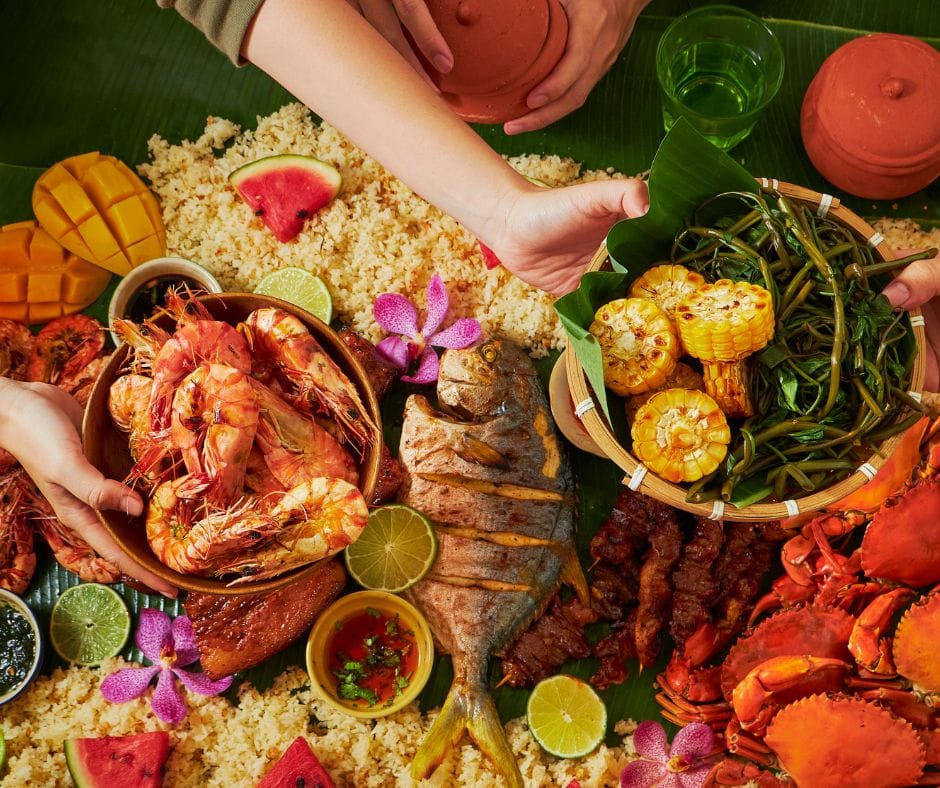
In the Philippines, food is far more than nourishment—it is one of the strongest expressions of family, love, and community. Across the country, meals are deeply woven into everyday life, serving as moments where families gather, reconnect, and strengthen relationships. Whether it is a simple breakfast at home or a large celebration during holidays and fiestas, food plays a central role in shaping Filipino family culture.
What makes Filipino food culture especially meaningful is the emotional connection attached to every shared meal. Cooking is often an act of care, while eating together becomes a symbol of unity and belonging. Traditional dishes are passed down through generations, carrying family stories, memories, and heritage with them. In Filipino homes, the dining table is more than a place to eat—it is where laughter, conversations, and family bonds come alive. Below are the key ways food shapes Filipino family life and cultural identity.
Eating together remains an important part of Filipino households.
Families gather during breakfast, lunch, or dinner whenever possible
Mealtimes become moments for conversation and connection
Even simple dishes gain importance when shared together
These daily gatherings strengthen relationships and reinforce family unity.
Food as an Expression of Love and Care
Cooking for family is often seen as an act of affection.
Parents and grandparents prepare meals to care for loved ones
Favorite dishes are cooked during birthdays and special occasions
Hospitality is shown through generosity with food
In Filipino culture, feeding someone is often another way of saying “I care about you.”
Celebrations Centered Around Food
Food is at the heart of Filipino celebrations.
Birthdays, fiestas, holidays, and reunions revolve around shared meals
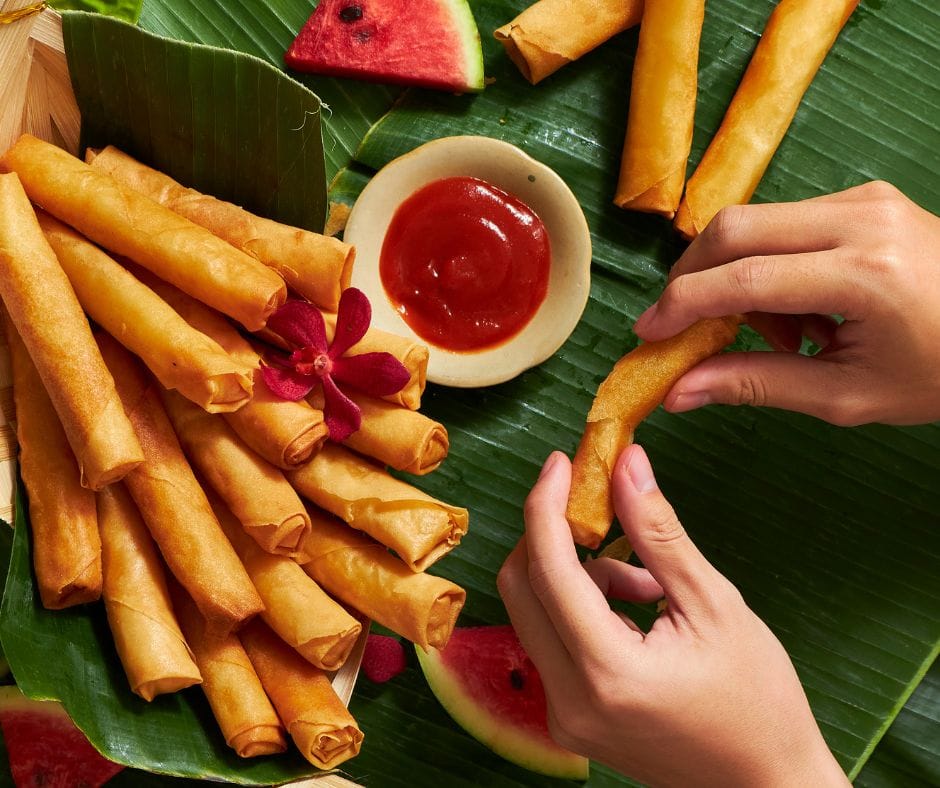
Large gatherings often feature dishes like lechon, pancit, and lumpia
Potluck-style celebrations emphasize community and sharing
These occasions create lasting memories connected to family and tradition.
Traditional Recipes Passed Through Generations
Filipino cuisine is deeply connected to family heritage.
Recipes are often handed down from parents and grandparents
Cooking traditions preserve regional and cultural identity
Family dishes carry stories and memories across generations
Food becomes a living connection between past and present.
The Filipino Value of Hospitality
Hospitality is one of the defining traits of Filipino culture.
Guests are almost always offered food upon entering a home
Sharing meals reflects warmth and generosity
Even modest households prioritize feeding visitors
This welcoming spirit is deeply rooted in Filipino family values.
Comfort, Healing, and Emotional Connection
Food also provides emotional comfort during difficult times.
Familiar dishes bring feelings of security and nostalgia
Meals help families reconnect during moments of stress or hardship
Comfort food plays a strong emotional role in Filipino homes
These emotional connections make food an essential part of family life.
More Than a Meal — A Reflection of Filipino Identity
In the Philippines, food represents togetherness, tradition, and emotional connection. Every shared dish carries meaning beyond flavor—it reflects care, sacrifice, celebration, and belonging.
From everyday family dinners to festive gatherings filled with laughter, food continues to shape the heart of Filipino family life, reminding people that the strongest connections are often built around the table.

Dumaguete’s Historic Belfry Restored — Preserving a Landmark of Faith and Heritage
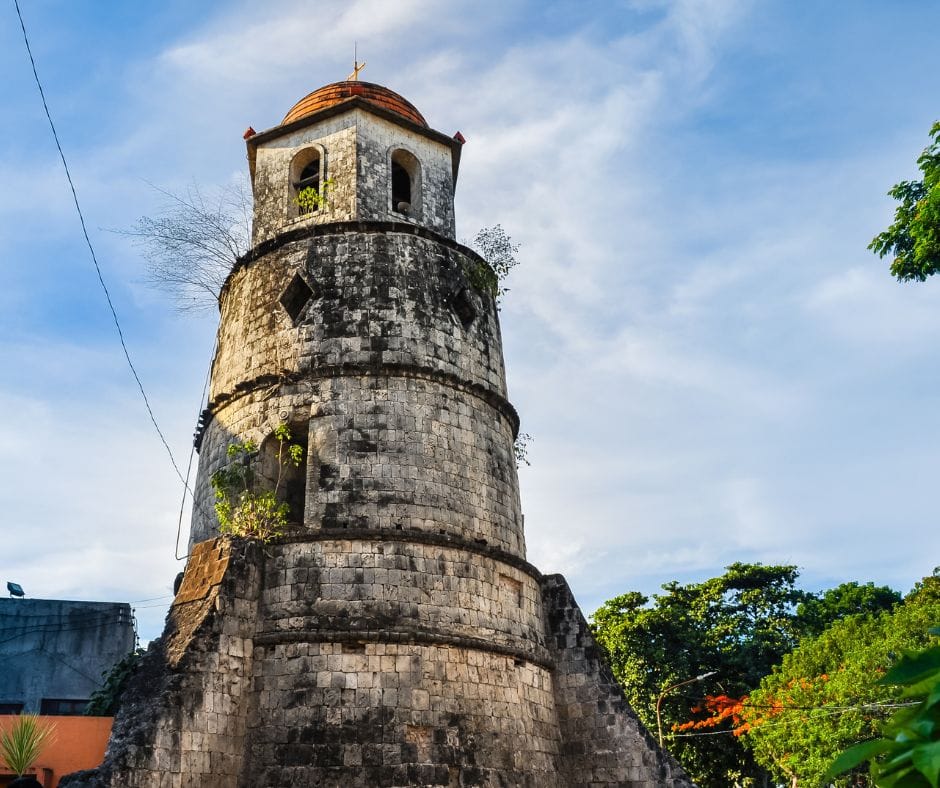
In the heart of Dumaguete City stands one of Negros Oriental’s most recognizable historical landmarks—the iconic Spanish-era belfry beside St. Catherine of Alexandria Cathedral. For generations, the structure has served not only as a religious and architectural symbol, but also as a reminder of the city’s colonial history and cultural identity. Now, after extensive restoration efforts, the historic belfry has been carefully preserved and reopened, ensuring that future generations can continue to appreciate one of Dumaguete’s most treasured landmarks.
The restoration project highlights the growing importance of heritage conservation in the Philippines. Historic structures like the Dumaguete belfry are more than tourist attractions; they are living connections to the country’s past, reflecting centuries of faith, community life, and architectural craftsmanship. Through preservation efforts led by national and local institutions, the restoration represents both cultural pride and a commitment to protecting Philippine heritage. Below are the key highlights surrounding the restoration of Dumaguete’s historic belfry.
One of Dumaguete’s Most Iconic Landmarks
The Spanish-era belfry is among the city’s most recognized structures.
Located beside St. Catherine of Alexandria Cathedral
Considered one of the oldest and most important landmarks in Negros Oriental
Long associated with Dumaguete’s cultural and religious identity
A Structure Rooted in Spanish Colonial History
The belfry dates back to the Spanish colonial period.
Originally built as part of the church complex centuries ago
Served both religious and defensive purposes during colonial times
Reflects Spanish-era architectural influence in the Philippines
Restoration Led by Heritage Conservation Efforts
The project focused on preserving the integrity of the structure.
Restoration efforts aimed to maintain historical authenticity
Repairs addressed structural deterioration and aging materials
Conservation work highlighted the importance of protecting heritage sites
The National Museum of the Philippines allocated significant funding for the project.
Boost for Cultural Tourism in Dumaguete
The restored belfry is expected to strengthen local tourism.
Adds value to Dumaguete’s heritage and cultural attractions
Encourages visitors to explore the city’s historical sites
Supports local tourism and community appreciation for heritage
Historic preservation helps connect tourism with education and cultural awareness.
Preserving Faith and Community Identity
The belfry continues to hold spiritual importance for many Filipinos.
Remains closely tied to local religious traditions and celebrations
Serves as a gathering point for worship and community events
Reflects the enduring role of faith in Filipino culture
Its preservation protects both physical history and living tradition.
Reminder of the Importance of Heritage Conservation
The restoration reflects a broader movement to preserve Philippine history.
Historic structures face threats from time, disasters, and urbanization
Conservation efforts help protect national and local identity
Heritage preservation strengthens cultural continuity for future generations
Projects like this highlight the value of protecting the country’s historical landmarks.
More Than a Belfry — A Living Connection to the Past
The restoration of Dumaguete’s historic belfry is more than an architectural project—it is a celebration of heritage, faith, and cultural memory. Standing once again in restored form, the structure reminds Filipinos of the importance of preserving the places that connect communities to their history.
As cities continue to modernize, landmarks like the Dumaguete belfry prove that protecting the past remains essential in shaping the future.


Wild Philippines: An Adult Coloring Book
Discover the rare and extraordinary endemic animals of the Philippines through this beautifully detailed adult coloring book inspired by the country’s unique biodiversity. From the majestic Philippine Eagle and the tiny Philippine Tarsier to rare forest mammals, vibrant birds, and fascinating marine species found nowhere else on Earth, every page celebrates the remarkable wildlife of the Philippine archipelago. Featuring intricate tribal-inspired patterns, tropical elements, and nature-themed designs, this coloring book invites you to explore, unwind, and connect with the wild beauty of the Philippines.

Men, Say Goodbye to Eyebags, Dark Spots & Wrinkles

Particle Face Cream is a 6-in-1 formula engineered specifically for men's skin. It reduces eye bags, dark spots, and wrinkles, restores firmness, hydrates deeply, and revives dull tone. Multiple premium anti-aging ingredients, clinically researched, built into one product that actually fits your routine.
Over 1,000,000 men have added Particle to their daily routine. Easy, effective, and worth the two minutes. Try it risk-free with a 30-day money-back guarantee.
Reply