- Finding Utopia Newsletter
- Posts
- Giant Golden-Crowned Flying Fox — The Philippines’ Majestic Forest Guardian
Giant Golden-Crowned Flying Fox — The Philippines’ Majestic Forest Guardian
Stories: Giant Golden-Crowned Flying Fox — The Philippines’ Majestic Forest Guardian; World Spotlight on Boracay & Other Philippine Destinations in 2025

KGM Resorts
January 06, 2026
Hello and Mabuhay!
Welcome to Finding Utopia — your trusted guide to exploring the wonders of the Philippines and beyond.
In this edition, we bring you inspiring stories and essential travel insights to fuel your next adventure:
Giant Golden-Crowned Flying Fox — The Philippines’ Majestic Forest Guardian
World Spotlight on Boracay & Other Philippine Destinations in 2025
Wherever you're dreaming of going next, we're here to guide you closer to your utopia.
Enjoy the read!
— The Finding Utopia Team
Giant Golden-Crowned Flying Fox — The Philippines’ Majestic Forest Guardian
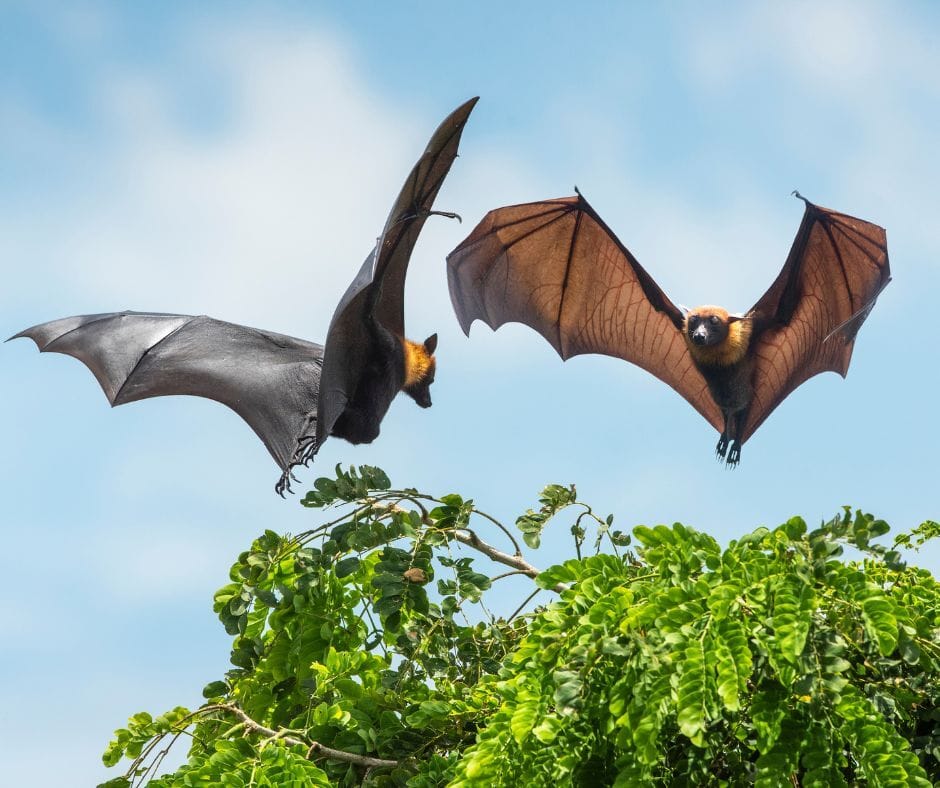
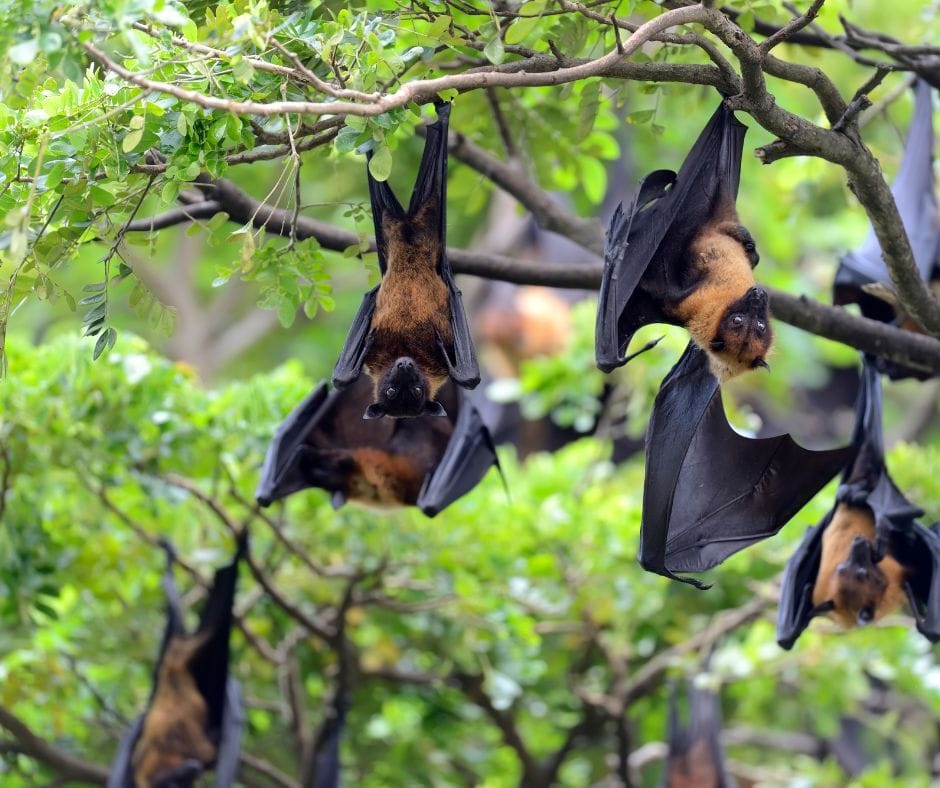
Deep within the forests of Luzon lives one of the most remarkable and under-appreciated mammals on Earth—the giant golden-crowned flying fox (Acerodon jubatus). Not only is this species among the largest bats in the world, but it also plays a crucial role in keeping the Philippines’ tropical forests healthy. Below, we break down what makes this winged giant so special—and why its survival matters.
A Bat That Rivals Birds in Size
Massive Wingspan: This flying fox can stretch its wings to around 1.7 meters (5.6 feet), comparable to that of a small eagle.
Impressive Weight: Adults can weigh over a kilogram, giving them a presence that defies common perceptions of bats as small, fragile creatures.
Golden Crown: Its name comes from the striking golden-yellow fur atop its head, a stark contrast to its darker body and one of its most iconic features.
Fruit Specialist: Instead of echolocation, this bat relies on keen eyesight and sense of smell to locate ripe fruits high in the forest canopy—especially native figs and other large fruits, which its strong jaws are designed to access.
Ecological Role — The Forest’s Winged Guardian
The giant golden-crowned flying fox isn’t just notable for its size; it’s vital for forest health:
Seed Dispersal Powerhouse: As it travels long distances in search of fruit, it spreads seeds far and wide, helping regenerate trees and maintain forest diversity.
Forest Connectivity: Many tree species depend on these bats to seed new growth, especially in fragmented forests needing natural restoration.
Ecosystem Balance: Their fruit-feeding habits help regulate plant communities and sustain food webs that support birds, insects and other mammals. Without them, forest regeneration slows dramatically.
Threats & Conservation Challenges
Despite their importance, these flying foxes face serious threats:
Habitat Loss: Deforestation for agriculture and development fragments or destroys the forests they depend on.
Hunting & Disturbance: Although protected by the Philippines’ Wildlife Resources Conservation and Protection Act (RA 9147), enforcement is inconsistent in remote communities where hunting persists.
Roosting Site Disruption: Noise, logging and human encroachment near big trees can cause entire colonies to abandon traditional roosts.
Population Decline: Fragmented populations are becoming more vulnerable as habitat shrinks.
How You Can Support Their Future
Protecting this species means protecting forests and communities too:
Support reforestation & conservation groups working in bat habitats.
Respect forest areas—especially known roost sites—by keeping noise and disturbance to a minimum.
Encourage sustainable tourism that highlights wildlife viewing without disruption.
Spread awareness about the ecological importance of flying foxes beyond myths and fear.
The giant golden-crowned flying fox is more than a biological marvel—it’s an essential thread in the tapestry of Philippine forests. By understanding and protecting this gentle giant, we help ensure healthy forests, thriving wildlife, and vibrant ecosystems for generations to come.
Read the full story: Giant Golden-Crowned Flying Fox — The World’s Largest Bat and the Philippine Forest’s Winged Guardian (Jan. 05, 2026)

World Spotlight on Boracay & Other Philippine Destinations in 2025

As 2025 came to a close, the Philippines continued to make waves on the global travel stage—despite the challenges that marked the year. From world-renowned beaches to cultural hubs and emerging tourism experiences, the archipelago captured the attention of international travellers and industry watchers alike. Below, we break down the highlights of how Philippine destinations stood out in 2025 and what that means for travel in the year ahead.
Boracay Takes the World Stage
Global Recognition: Boracay Island again claimed major international accolades in 2025, reinforcing its position as one of the world’s most beloved tropical destinations.
Leading Titles: The island secured its standing as Asia’s Leading Luxury Island Destination and continued to top lists for beach and island travel experiences.
Reader’s Choice: Prestigious travel publications like Condé Nast Traveler ranked Boracay among the top islands globally—adding Boracay to lists alongside beach destinations in Vietnam and Thailand.
Steady Arrivals: Tourist figures from recent reporting periods show strong visitation numbers, with Boracay welcoming large crowds in the peak December travel window, including cruise passengers and foreign visitors.
Siargao & Palawan — Surf, Sea & Sky
Surfing & Nature Icons: Siargao continued to shine as a global surfing haven, attracting adventure seekers and water sports travellers from around the world. Its consistent appeal keeps it on the radar of both seasoned surfers and lifestyle tourists.
Island Allure: Palawan—home to El Nido, Coron, and Puerto Princesa—remains synonymous with ecological beauty. Its karst limestone formations, hidden lagoons and world-class dive sites helped it rank high in international travel awards alongside Boracay.
Multi-Year Accolades: Both destinations were repeatedly highlighted in global travel rankings for their natural allure, adding to the Philippines’ tourism profile.
Manila — Historic & Cultural Spotlight
Beyond Beach Tourism: Manila’s rich historical districts, Spanish colonial architecture and vibrant city culture continue drawing cultural tourists who want history, museums, food scenes and urban charm.
Global Citations: Alongside its natural destination peers, Manila often features on curated lists for heritage travel experiences and multi-day urban itineraries.
Tourism Numbers & Recovery in 2025
Visitor Figures: As of Dec. 20, 2025, the Philippines recorded around 5.6 million foreign visitor arrivals, nearly matching figures from 2024, though still short of pre-pandemic 2019 levels.
Market Shifts: While some markets saw declines, others including the US, Canada, Australia, Germany, Italy and Spain showed robust growth—indicating a diversifying international audience.
Travel Alerts & Challenges: Tourism officials acknowledge that 2025 was marked by global travel advisories and logistical challenges, yet the sector persevered through innovation and expanded offerings.
What Lies Ahead for Philippine Tourism
The Philippines is preparing to strengthen its global travel campaigns in 2026—building on its momentum with initiatives like “Love the Philippines” and continued promotion of both iconic and emerging destinations. Tourism leaders are poised to push for longer stays, higher spending and diversified travel experiences that go beyond beaches to include culture, cuisine, nature and adventure.
Whether you’re planning your next beach escape, urban cultural journey or adventure getaway, 2026 promises new reasons to Love the Philippines.


Reply