- Finding Utopia Newsletter
- Posts
- Holy Week in the Philippines — Faith, Tradition & Cultural Meaning
Holy Week in the Philippines — Faith, Tradition & Cultural Meaning
Stories: Holy Week in the Philippines — Faith, Tradition & Cultural Meaning; Laoang Islets — Tracing Ancient Trade Routes in Northern Samar

KGM Resorts
March 24, 2026
Hello and Mabuhay!
Welcome to Finding Utopia — your trusted guide to exploring the wonders of the Philippines and beyond.
In this edition, we bring you inspiring stories and essential travel insights to fuel your next adventure:
Holy Week in the Philippines — Faith, Tradition & Cultural Meaning
Laoang Islets — Tracing Ancient Trade Routes in Northern Samar
Wherever you're dreaming of going next, we're here to guide you closer to your utopia.
Enjoy the read!
— The Finding Utopia Team
Holy Week in the Philippines — Faith, Tradition & Cultural Meaning
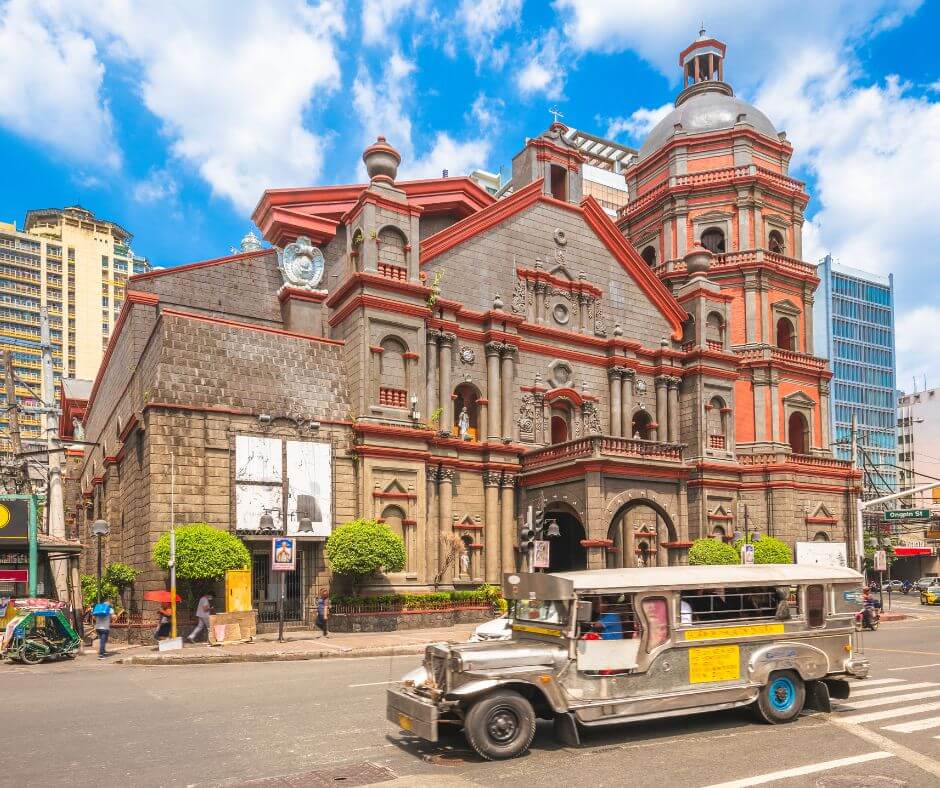
Holy Week in the Philippines is one of the most powerful and deeply observed traditions in the country. Known locally as Semana Santa, it is a time when faith, culture, and community come together in a shared expression of devotion. Across cities, towns, and provinces, daily routines slow down as Filipinos reflect on the life, suffering, and resurrection of Jesus Christ.
What makes Holy Week in the Philippines especially unique is the way it blends Spanish-influenced Catholic practices with local traditions and community rituals. From solemn church visits to dramatic processions, the week is marked not just by religious observance, but by cultural identity passed down through generations. It is both a spiritual journey and a national experience—one that transforms the atmosphere of the entire country.
Palm Sunday — The Beginning of the Sacred Week
Holy Week begins with Palm Sunday, marking Jesus’ entry into Jerusalem.
Churchgoers bring woven palm fronds (palaspás) to be blessed.
These palms are often placed in homes as symbols of protection and blessing.
Processions and reenactments set the tone for the week ahead.
Pabasa — The Chant of Faith
A distinct Filipino tradition during Holy Week is the Pabasa, the chanting of the Pasyón.
Devotees take turns chanting the story of Christ’s life and suffering.
The recitation can continue day and night without interruption.
It is both a spiritual practice and a communal gathering.
Visita Iglesia — A Journey of Reflection
One of the most widely practiced traditions is Visita Iglesia.
Devotees visit at least seven churches to pray and reflect.
The practice often takes place on Maundy Thursday or Good Friday.
It represents meditation on the Stations of the Cross and Christ’s sacrifice.
Processions and Senákulo — Living the Passion
Holy Week in the Philippines is known for its vivid public expressions of faith.
Processions (prusisyon) feature religious images carried through the streets.
Communities stage the Senákulo, a dramatization of Christ’s passion and crucifixion.
These events bring together entire towns in shared devotion.
Good Friday — A Day of Silence and Sacrifice
Good Friday is one of the most solemn days of the week.
Many Filipinos observe fasting, abstinence, and prayer.
Businesses close, and public life becomes quiet and reflective.
Religious rituals focus on Christ’s suffering and death.
The atmosphere across the country becomes still—creating a powerful sense of collective reflection.
Easter Sunday — Renewal and Celebration
After days of solemn observance, Easter Sunday marks a joyful conclusion.
Celebrations focus on the resurrection of Christ.
Traditions such as the Salubong reenact the meeting of the risen Christ and the Virgin Mary.
Communities shift from mourning to celebration and hope.
Why Holy Week in the Philippines Is Unique
Holy Week in the Philippines stands out for its intensity, community participation, and cultural depth. It is not just observed—it is lived, shared, and experienced across the entire country.
From quiet prayers to grand processions, these traditions reflect a faith that is deeply personal yet strongly communal. For travelers and cultural explorers, Holy Week offers a rare opportunity to witness one of the most immersive religious experiences in the world.

Laoang Islets — Tracing Ancient Trade Routes in Northern Samar
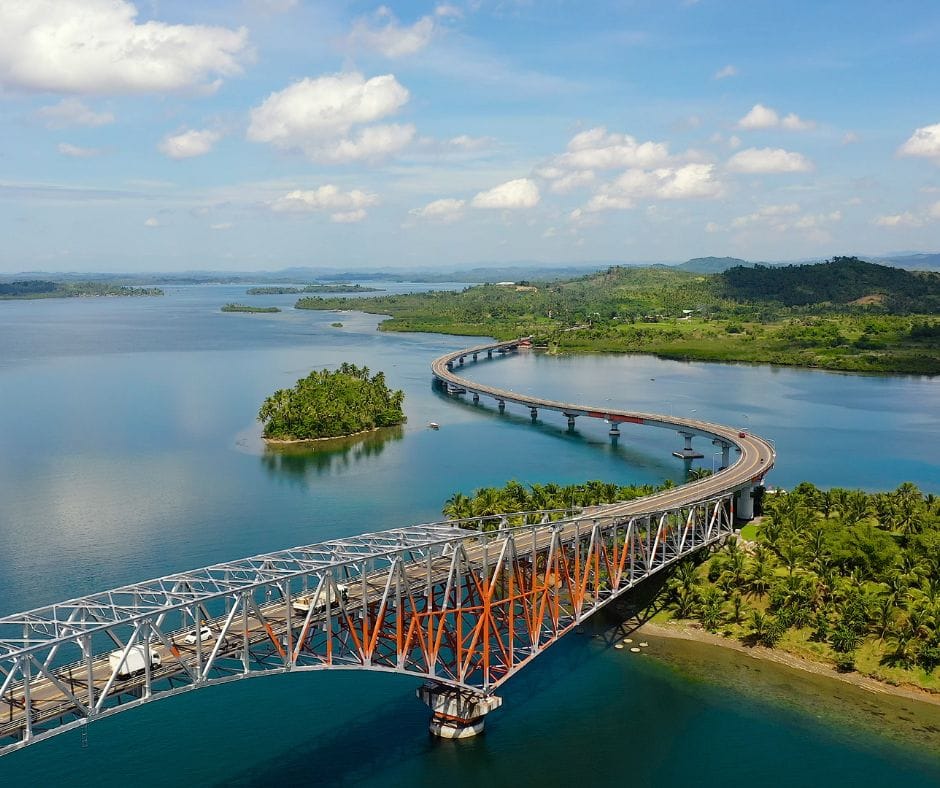
In Northern Samar, a group of quiet islands is revealing a story that stretches far beyond the present. The National Museum of the Philippines has recently highlighted the historical importance of the Laoang islets, including Batag Island, pointing to their role in ancient trade networks that once connected the Philippines to neighboring regions. These islands, now known for their coastal beauty and remote charm, may have once been active hubs of exchange, culture, and maritime movement.
The findings emphasize how geography shaped early Filipino societies. Positioned along strategic sea routes, the Laoang islets offered access to trade pathways used by early communities and foreign merchants. Today, ongoing research and exploration aim to deepen understanding of these connections and preserve the cultural significance of the area.
A Strategic Location for Ancient Trade
The Laoang islets were not isolated outposts—they were part of a broader maritime network.
Their location along key sea routes made them ideal for interaction with traders from neighboring regions.
Coastal access allowed early communities to participate in regional trade exchanges.
These routes connected local settlements to wider Southeast Asian trading systems.
This positioning helped transform the islands into potential gateways for commerce and cultural exchange.
Evidence of Early Maritime Activity
Research by the National Museum suggests that the islands played an active role in early seafaring culture.
The presence of surrounding islets and navigable waters supported frequent movement by sea.
Communities likely relied on boats and coastal navigation for trade and communication.
Maritime activity helped shape local economies and interactions with neighboring islands.
Cultural Exchange Across Islands
Trade routes were not only about goods—they also facilitated cultural exchange.
Interactions between communities led to the sharing of traditions, practices, and knowledge.
Coastal settlements became meeting points for different cultures.
These exchanges contributed to the development of local identities influenced by regional connections.
The Role of the National Museum
The National Museum’s involvement is key to understanding and preserving this history.
Researchers are conducting studies to uncover archaeological and historical evidence.
Efforts aim to raise awareness about the islands’ cultural and historical value.
Preservation initiatives ensure that these stories are not lost to time.
A Destination Beyond Natural Beauty
Today, the Laoang islets are known for their scenic landscapes, but their value goes deeper.
The islands offer both natural beauty and historical significance.
Visitors can explore a place shaped by centuries of movement and exchange.
The combination of history and landscape makes the area a unique cultural destination.
Why the Laoang Islets Matter
The story of the Laoang islets reveals a Philippines that has always been connected—to neighboring islands, cultures, and trade networks. These islands are more than remote coastal landscapes; they are living reminders of the country’s early role in regional exchange and maritime history.
As research continues, the Laoang islets offer a deeper understanding of how geography, trade, and culture shaped the Philippines long before modern borders existed.


Reply