- Finding Utopia Newsletter
- Posts
- How Much Does It Cost to Travel to the Philippines? — A Realistic Guide for Every Traveler
How Much Does It Cost to Travel to the Philippines? — A Realistic Guide for Every Traveler
Stories: How Much Does It Cost to Travel to the Philippines? — A Realistic Guide for Every Traveler; Pampanga Cuisine — The Culinary Capital of the Philippines

KGM Resorts
May 05, 2026
Sponsored by

Hello and Mabuhay!
Welcome to Finding Utopia — your trusted guide to exploring the wonders of the Philippines and beyond.
In this edition, we bring you inspiring stories and essential travel insights to fuel your next adventure:
How Much Does It Cost to Travel to the Philippines? — A Realistic Guide for Every Traveler
Pampanga Cuisine — The Culinary Capital of the Philippines
Wherever you're dreaming of going next, we're here to guide you closer to your utopia.
Enjoy the read!
— The Finding Utopia Team
How Much Does It Cost to Travel to the Philippines? — A Realistic Guide for Every Traveler
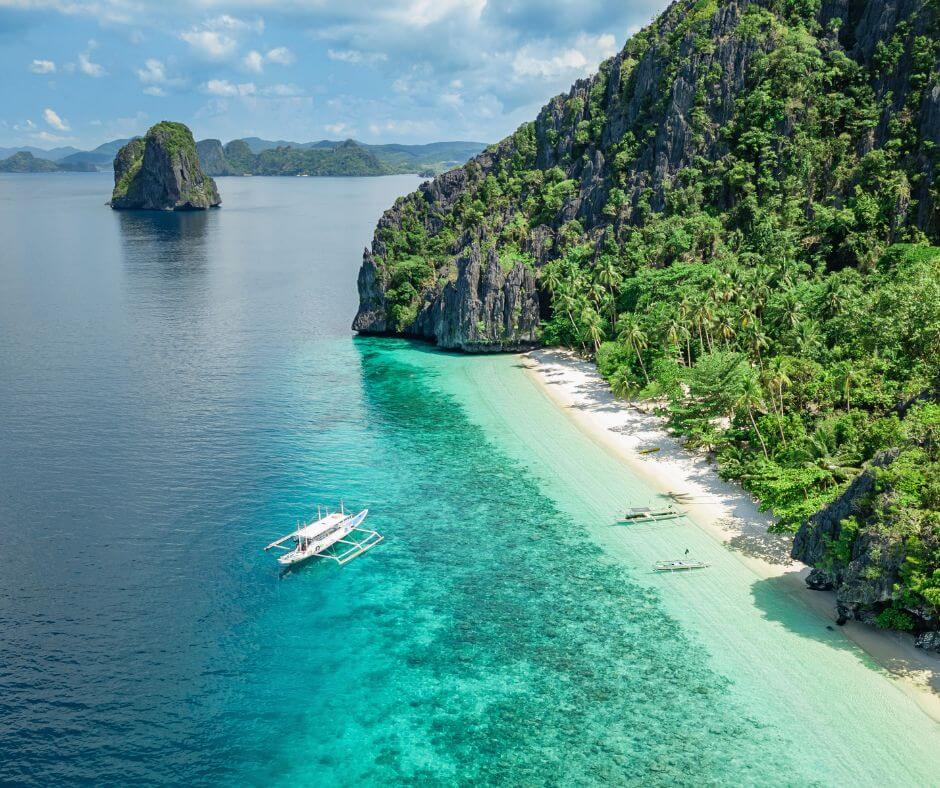
The Philippines is often seen as a tropical paradise filled with white-sand beaches, island adventures, and unforgettable cultural experiences. But one of the most common questions travelers ask before visiting is simple: How much does it actually cost to travel to the Philippines? The answer depends largely on travel style, destinations, and the type of experiences you’re looking for. Fortunately, the country remains one of Southeast Asia’s more flexible destinations—offering options for budget travelers, mid-range explorers, and luxury seekers alike.
From affordable street food and hostels to high-end island resorts and private tours, the Philippines allows travelers to shape their experience according to their budget. While island hopping and domestic flights can increase costs, careful planning can make travel surprisingly accessible. Below are the key factors that influence travel expenses in the Philippines and what travelers can realistically expect.
Accommodation — From Budget Hostels to Luxury Resorts
Accommodation costs vary widely depending on comfort and location.
Budget hostels and guesthouses are available in most tourist areas
Mid-range hotels offer comfort at reasonable prices
Luxury resorts in destinations like Palawan and Boracay command premium rates
Food Costs — Affordable and Flavorful
Food in the Philippines can be very budget-friendly.
Street food and local eateries offer inexpensive meals
Mid-range restaurants remain affordable compared to many countries
Tourist-heavy destinations tend to have higher dining costs
Local dishes provide both cultural experiences and good value for travelers.
Transportation Across the Islands
Transportation is one of the biggest factors affecting travel costs.
Domestic flights are often necessary between islands
Ferries provide cheaper but slower alternatives
Jeepneys, tricycles, and buses offer affordable local transport
Activities and Tours
Experiences can range from inexpensive to high-end adventures.
Island hopping tours are among the most popular activities
Diving, snorkeling, and surfing vary in price by location
Nature attractions and beaches are often low-cost or free
Budget Travel vs Luxury Travel
The Philippines caters to different kinds of travelers.
Budget travelers can travel comfortably with careful planning
Mid-range travel allows for more convenience and flexibility
Luxury travelers can access world-class resorts and private experiences
Practical Ways to Save Money
Smart planning can significantly reduce travel costs.
Traveling during shoulder seasons helps avoid peak prices
Booking domestic flights early lowers transportation expenses
Staying longer in fewer destinations reduces overall costs
Simple planning strategies can make even longer trips more affordable.
A Destination for Every Budget
The Philippines proves that unforgettable travel experiences do not always require extravagant spending. Whether you’re backpacking across islands, traveling comfortably through major destinations, or enjoying luxury resorts by the sea, the country offers remarkable value for every type of traveler.
More than the cost itself, what makes traveling in the Philippines memorable is the richness of the experience—its landscapes, culture, food, and people that leave lasting impressions long after the journey ends.

Pampanga Cuisine — The Culinary Capital of the Philippines
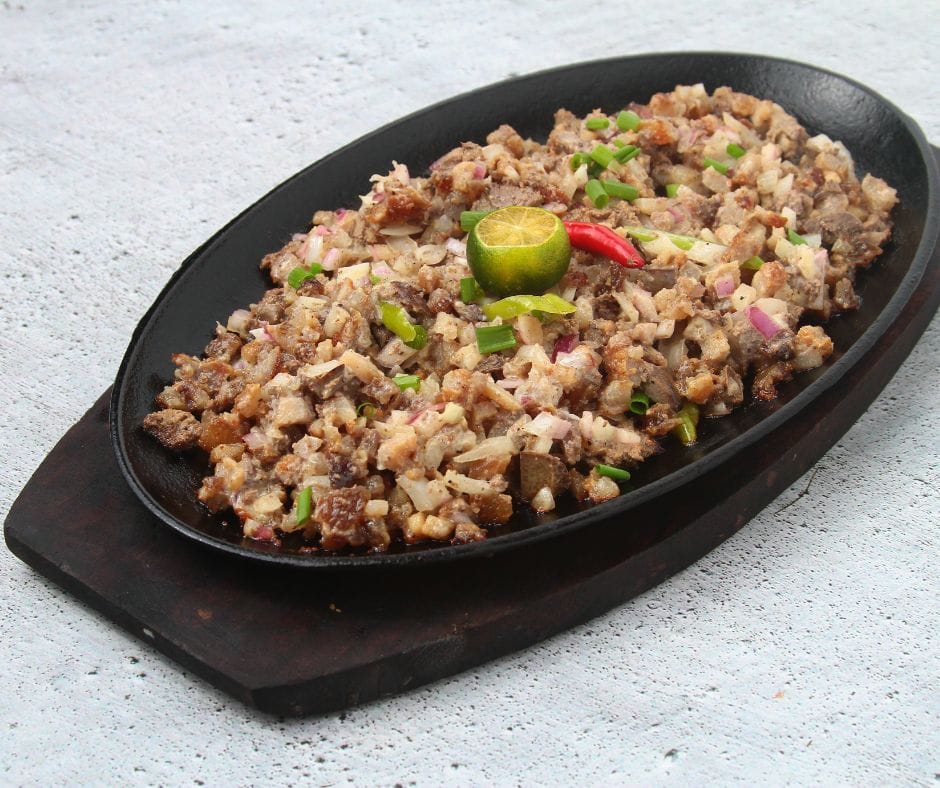
In the Philippines, few places are as closely associated with food as Pampanga. Located in Central Luzon, the province has long been recognized for its rich culinary traditions, bold flavors, and deep-rooted food culture. Kapampangan cuisine is often described as one of the most refined and influential regional cuisines in the country, producing dishes that have become staples across the Philippines. From sizzling sisig to festive bringhe and heirloom recipes passed through generations, Pampanga’s culinary identity reflects both creativity and cultural pride.
What makes Pampanga truly special is not only the quality of its food, but the way cooking is woven into daily life. Food is central to family gatherings, celebrations, and local identity, turning every meal into an expression of tradition and hospitality. Over the years, Pampanga has earned its reputation as the “Culinary Capital of the Philippines,” attracting travelers and food lovers eager to experience authentic Kapampangan flavors.
The Birthplace of Iconic Filipino Dishes
Many beloved Filipino dishes trace their roots to Pampanga.
Sisig originated in Angeles City and became one of the country’s most famous dishes
Kapampangan tocino, longganisa, and morcon are widely recognized nationwide
Traditional dishes reflect a balance of savory, sour, and rich flavors
These culinary creations helped shape the broader identity of Filipino cuisine.
Culture Deeply Rooted in Cooking
Cooking in Pampanga is more than a skill—it is a tradition.
Recipes are often passed down through generations
Families place strong importance on food preparation and hospitality
Celebrations and fiestas revolve around elaborate meals
Bold Flavors and Unique Ingredients
Kapampangan cuisine is known for its depth and creativity.
Uses local ingredients combined with rich cooking techniques
Features both familiar dishes and adventurous delicacies
Fermented dishes, grilled meats, and slow-cooked recipes are common
The Influence of History and Culture
Pampanga’s cuisine evolved through centuries of cultural exchange.
Spanish colonial influence shaped many traditional dishes
Indigenous cooking practices remained central to local food culture
Trade and migration introduced new ingredients and techniques
This blend of influences created a cuisine that is both diverse and distinctly Kapampangan.
Legendary Food Personalities and Heritage Kitchens
Pampanga is home to some of the country’s most respected culinary figures.
Lucia “Aling Lucing” Cunanan became known as the “Sisig Queen”
Heritage kitchens preserve traditional cooking methods
Food historians and chefs continue promoting heirloom Kapampangan recipes
Destination for Food Tourism
Today, Pampanga remains one of the Philippines’ top culinary destinations.
Restaurants range from roadside eateries to heritage dining experiences
Food festivals and culinary tours attract visitors year-round
Travelers visit specifically to experience authentic Kapampangan cuisine
Its reputation continues to grow both nationally and internationally.
More Than Food — A Culinary Identity
Pampanga cuisine is more than a collection of dishes—it is a reflection of history, family, creativity, and cultural pride. Every recipe carries generations of tradition, turning meals into stories that connect people to place and heritage.
To experience Pampanga is to understand how deeply food shapes Filipino identity—where flavor becomes memory, and every gathering begins around the table.

Kickstart your NAD+ skin transformation.

Aramore’s MIT & Harvard co-founders developed a special complex to help boost back skin’s NAD+, the molecule that controls how we age. Best part: you’ll see results in just one skin cycle, or 28 days.
Start your skin transformation with 20% off. Use code NEWSLETTER20.
Reply