- Finding Utopia Newsletter
- Posts
- Ilocano Food — Bold Flavors, Honest Ingredients & Northern Luzon’s Kitchen Soul
Ilocano Food — Bold Flavors, Honest Ingredients & Northern Luzon’s Kitchen Soul
Stories: Ilocano Food — Bold Flavors, Honest Ingredients & Northern Luzon’s Kitchen Soul; Pamamanhikan — When Love Becomes a Family Promise; Rare Jade Vine Blooms in Apayao — A Botanical Discovery Worth Celebrating

KGM Resorts
February 06, 2026

In partnership with

Hello and Mabuhay!
Welcome to Finding Utopia — your trusted guide to exploring the wonders of the Philippines and beyond.
In this edition, we bring you inspiring stories and essential travel insights to fuel your next adventure:
Ilocano Food — Bold Flavors, Honest Ingredients & Northern Luzon’s Kitchen Soul
Pamamanhikan — When Love Becomes a Family Promise
Rare Jade Vine Blooms in Apayao — A Botanical Discovery Worth Celebrating
Wherever you're dreaming of going next, we're here to guide you closer to your utopia.
Enjoy the read!
— The Finding Utopia Team
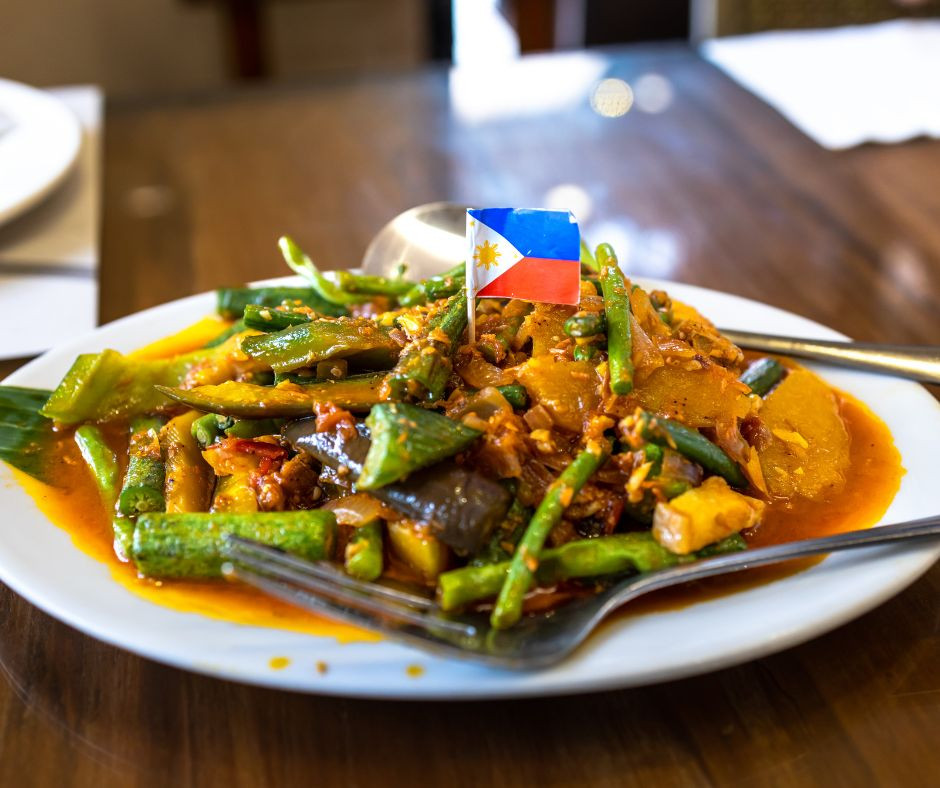
Ilocano Food — Bold Flavors, Honest Ingredients & Northern Luzon’s Kitchen Soul

In the northern reaches of Luzon lies a cuisine as spirited and grounded as the people who prepare it. Ilocano food is defined by boldness and sincerity — dishes that celebrate flavor, tradition, practicality and local ingredients in ways both simple and unforgettable. From hearty staples like pinakbet to the unmistakable tang of dinengdeng, Ilocano cooking reflects a culture shaped by the land, the sea, and resourcefulness born of everyday life. In our latest blog post, we explore what gives Ilocano food its distinct identity and why it continues to win hearts — plate by plate.
Roots in Local Ingredients & Practical Cooking
At its heart, Ilocano cuisine was shaped by necessity: ingredients found on the family farm or in nearby seas, prepared with skill and care. This practicality produced dishes that are accessible, flavorful and deeply tied to place.
Vegetables — Bitter melon, squash, eggplant and okra thrive in northern soils and find their way into many daily meals.
Seafood & seafood brine — Coastal access means fish, shrimp, and bagoong (fermented fish sauce) are common anchors of flavor.
Rice — Like much of the Philippines, rice is the foundation of meals — but Ilocanos elevate it with hearty sides and sauces.
Rather than masking ingredients, Ilocano cooking highlights them — celebrating their purest expressions with minimal fuss and maximal taste.
Signature Dishes — Bold, Balanced & Unforgettable
Certain dishes define the Ilocano table, each with its own story:
Pinakbet — Vegetable Harmony with Bagoong
Probably the most iconic Ilocano dish, pinakbet combines squash, eggplant, bitter melon and okra with shrimp or fish bagoong — a salty, umami-rich condiment that ties every ingredient together. The result is earthy, vibrant and balanced: vegetables that shine without being overpowered.
Dinengdeng — Flexible & Flavorful
Similar to pinakbet but looser in form, dinengdeng is a brothy vegetable stew where ingredients vary by season and availability. It’s a personalized dish as much as a cultural one — each cook adds their own touch based on what’s fresh.
Bagnet — Crispy Pork Joy
Crisp-on-the-outside, tender-inside pork belly that rivals any crunchy pork belly dish in the world. Ilocanos fry it until golden, serving it alongside rice, vegetables or even as a sinangag (garlic fried rice) partner.
Flavors That Speak of Place
Ilocano cuisine isn’t just about heat or spice — it’s about balance: salty bagoong, bitter greens, soft squash and hearty rice work in harmony. The bold flavors come from confidence — confidence in ingredients, tradition and shared meals around a busy table.
This is food for community, celebration, and life together: dishes meant to be shared, savored slowly, and remembered long after the last grain of rice is gone.
Why Ilocano Cuisine Matters to You
For travelers, food is one of the deepest forms of cultural exchange. Ilocano cuisine invites you to:
Taste history — every dish carries echoes of land, sea and everyday life.
Experience authenticity — flavors that aren’t fussy, but honest and soulful.
Connect with place — fresh ingredients, traditional techniques and local pride on every plate.
Whether you come for the crispy bagnet, the earthy pinakbet or a plate of sinanglao on a cool morning, Ilocano food offers something unforgettable: a cuisine rooted in resilience, generosity and boldness.
Pamamanhikan — When Love Becomes a Family Promise

Before wedding invitations are printed or venues are booked, many Filipino couples take part in a deeply meaningful tradition that transforms romance into responsibility: pamamanhikan. More than a formal meeting, pamamanhikan is a cultural rite where families come together to honor intention, respect lineage, and formally ask for a union to be blessed. Rooted in tradition yet evolving with modern life, this practice remains one of the most intimate expressions of Filipino values surrounding marriage and family.
What Is Pamamanhikan?
Pamamanhikan is the formal visit of the groom’s family to the bride’s family to ask for her hand in marriage. Traditionally, it is led by elders — parents, grandparents, or respected relatives — who speak on behalf of the couple. This act signifies that marriage is not just a bond between two individuals, but a joining of families.
The visit is often marked by respectful dialogue, shared meals, and symbolic gestures. It is during pamamanhikan that families discuss intentions, expectations, and sometimes practical matters related to the wedding. At its core, the tradition reflects a collective approach to marriage — one grounded in mutual respect and shared responsibility.
Values at the Heart of the Tradition
Pamamanhikan embodies several core Filipino values:
Respeto (Respect): The groom’s family humbly seeks permission, acknowledging the role of parents and elders.
Hiya (Dignity and propriety): The formal structure ensures grace, sensitivity, and emotional consideration for all involved.
Utang na Loob (Gratitude): Recognizing the care and upbringing provided by the bride’s family.
Family-Centeredness: Marriage is framed as a communal decision, not an individual transaction.
Food plays an essential role in pamamanhikan. The groom’s family traditionally brings dishes or hosts a meal, symbolizing generosity and goodwill. The act of eating together reflects openness and acceptance — an unspoken affirmation that families are ready to move forward together.
Conversation during pamamanhikan is often gentle and respectful. Elders may share advice, blessings, or stories of their own marriages. These moments ground the couple in the lived wisdom of those who came before them.
Pamamanhikan in Modern Filipino Life
Today, pamamanhikan has adapted to contemporary realities. Some families opt for intimate gatherings rather than formal rituals. Others hold the meeting in restaurants or combine it with engagement celebrations. While the format may change, the meaning remains: intentional union, respect for family, and shared understanding.
For Filipino couples in the diaspora, pamamanhikan has become a way to stay connected to cultural roots — a reminder that even across oceans, tradition can still guide life’s milestones.
Why Pamamanhikan Still Matters
In a fast-moving world, pamamanhikan offers pause. It reminds us that love flourishes best when supported, witnessed, and respected. It honors not just the future of a couple, but the histories that shaped them.
Pamamanhikan is not about formality for its own sake — it is about belonging, gratitude, and beginning together.

Rare Jade Vine Blooms in Apayao — A Botanical Discovery Worth Celebrating

Deep within the forests of Apayao province, a botanical surprise has emerged that has scientists, conservationists and nature lovers buzzing with excitement: the rediscovery of a rare jade vine growing in its natural habitat. This remarkable find highlights how the Philippines’ rich biodiversity continues to surprise, inspire and remind us of the delicate wonders hidden within its forests.
Jade vines are known for their stunning, cascading clusters of luminous flowers — colours so unique that botanical gardens around the world cultivate them as prized specimens. Yet even among these beautiful plants, rare wild populations are few and precious. In Apayao, the recovery of a jade vine population represents hope for conservation and ecological resilience in a time when many species face habitat threats.
The rare jade vine spotted in Apayao isn’t just attractive; it’s ecologically significant. Characterized by vibrant blooms and a vine-like form that clings to forest trees, this plant is part of a fragile network of species that thrive only in specific forest conditions.
Visual splendour: Jade vines produce pendulous flower clusters that glow jade-green under forest shade — a spectacle for those lucky enough to witness them in bloom.
Ecological role: As with many flowering plants, jade vines may play a part in supporting pollinators and other forest wildlife — linking plant life to the complex rhythms of biodiversity.
Indicator of healthy forest: Finding a rare species like this suggests that parts of Apayao’s forests remain intact and capable of sustaining life that struggles elsewhere.
The discovery was confirmed by local environmental officers who have been observing plant communities in the region. Their reports provide valuable insight into the range and condition of this rare vine in the wild.
Why This Discovery Matters
Finding a rare plant like the jade vine is more than a beautiful headline — it has real implications for conservation and local identity:
Biodiversity recognition: The Philippines is known as a global biodiversity hotspot, home to countless endemic species. Discoveries like this reaffirm those roots and deepen scientific understanding.
Conservation urgency: Rare species often face displacement when forests are altered or cleared. Awareness of their existence strengthens arguments for habitat protection and sustainable land use.
Educational value: For students and eco-enthusiasts, seeing rare flora in the wild offers an irreplaceable lesson in ecology and the importance of preservation.
The jade vine discovery aligns with ongoing efforts to protect forests in Apayao and beyond — initiatives that tie ecological stewardship with community-based conservation and responsible exploration.
Visiting & Viewing with Respect
For travelers and nature lovers drawn to botanical wonders like the jade vine, respectful observing is key:
Go with local guides: They know the terrain and the rules of ethical nature viewing.
Protect the habitat: Remain on trails, avoid touching plants, and carry out all trash.
Learn first: Understanding the species you’re seeing deepens appreciation and minimizes disturbance.
Discoveries like rare jade vines remind us that even in an age of great exploration, nature still holds surprises. They remind us that forests are not static backdrops but living, breathing worlds rich with colour, mystery and life worth treasuring.


Adventure curated by the brands you trust

REI Co-op and Intrepid Travel have teamed up to take you somewhere extraordinary.
Hike Nüümü Poyo, also known as the John Muir Trail, one of America's most iconic multi-day treks, while forming lasting bonds with like-minded adventurers.
Set up camp each night with iconic backdrops and get to know your fellow travelers over dinners prepared by your local trip leader, who handles all the logistics so you can focus on the adventure.
This trip is part of a curated collection of small-group adventures across 85+ destinations worldwide. And right now, REI Co-op members save 15% on this REI Exclusive trip.
For T&Cs and more info, click here.
Reply