- Finding Utopia Newsletter
- Posts
- Inabel Weaving – The Timeless Art of Ilocano Textiles
Inabel Weaving – The Timeless Art of Ilocano Textiles
Stories: Inabel Weaving – The Timeless Art of Ilocano Textiles; Opol’s New Coastal Park — A Fresh Coastline; A New Destination, When Lanterns Light Up the Night — Christmas Magic in E. Samar

KGM Resorts
December 09, 2025
In partnership with

Hello and Mabuhay!
Welcome to Finding Utopia — your trusted guide to exploring the wonders of the Philippines and beyond.
In this edition, we bring you inspiring stories and essential travel insights to fuel your next adventure:
Inabel Weaving – The Timeless Art of Ilocano Textiles
Opol’s New Coastal Park — A Fresh Coastline, A New Destination
When Lanterns Light Up the Night — Christmas Magic in E. Samar
Wherever you're dreaming of going next, we're here to guide you closer to your utopia.
Enjoy the read!
— The Finding Utopia Team
Inabel Weaving – The Timeless Art of Ilocano Textiles
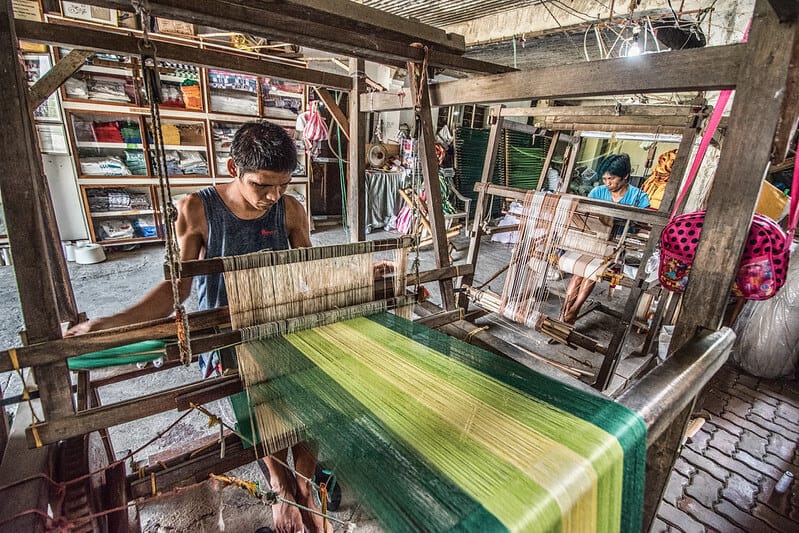
In the hills and towns of Northern Luzon, a slow rhythm taps beneath wooden pedals and foot-driven looms. That rhythm weaves more than cotton — it weaves the stories, identity, and heritage of Ilocano communities. Inabel isn’t just cloth. It’s memory. It’s lineage. It’s art born from countless hands. Our latest post dives into why Inabel remains one of the most enduring and meaningful Filipino textiles today.
What Is Inabel — Cloth, Culture & Identity
At its core, Inabel (also called “Abel Iloko”) is a hand-woven textile crafted on traditional wooden looms by artisans called weavers. The word “abel” means “to weave” — and Inabel represents the culmination of generations of weaving knowledge, passed from elder to apprentice.
Far from being mere cloth, Inabel embodies Ilocano identity. It carries with it values of resilience, artistry, and community. Because of its strength, breathability, and versatility, Inabel has long served as fabric for clothing, blankets, household items — and even ceremonial purposes.
The Craft Behind the Cloth — From Fiber to Pattern
Creating Inabel is a labor of love. It begins with threads — either cotton or other natural fibers — prepared carefully through spinning, dyeing (traditionally using natural dyes such as indigo), and warping. Then comes the loom: the “pagablan” — a wooden, foot-pedal hand loom where shuttle, foot, and rhythm coordinate to turn yarn into cloth.
What makes Inabel stand out isn’t only its durability, but also its patterns and motifs — each with meaning, history, and local identity. Among the most iconic:
Binakol — hypnotic wave-like or optical-illusion patterns, traditionally woven in limited tones, believed to ward off bad spirits.
Kusikus — spiral or whirlpool-like motifs symbolizing life’s cycles, protection, and continuity.
Complex brocades and “pinilian” weaves — intricate weft patterns, often reflecting flora, geometric shapes, or regional identity; some designs require days of concentrated work.
Through these patterns, each piece becomes a silent storyteller — weaving culture, belief, place, and memory into fabric.
From Traditional Homes to Modern Lives — Inabel’s Evolving Role
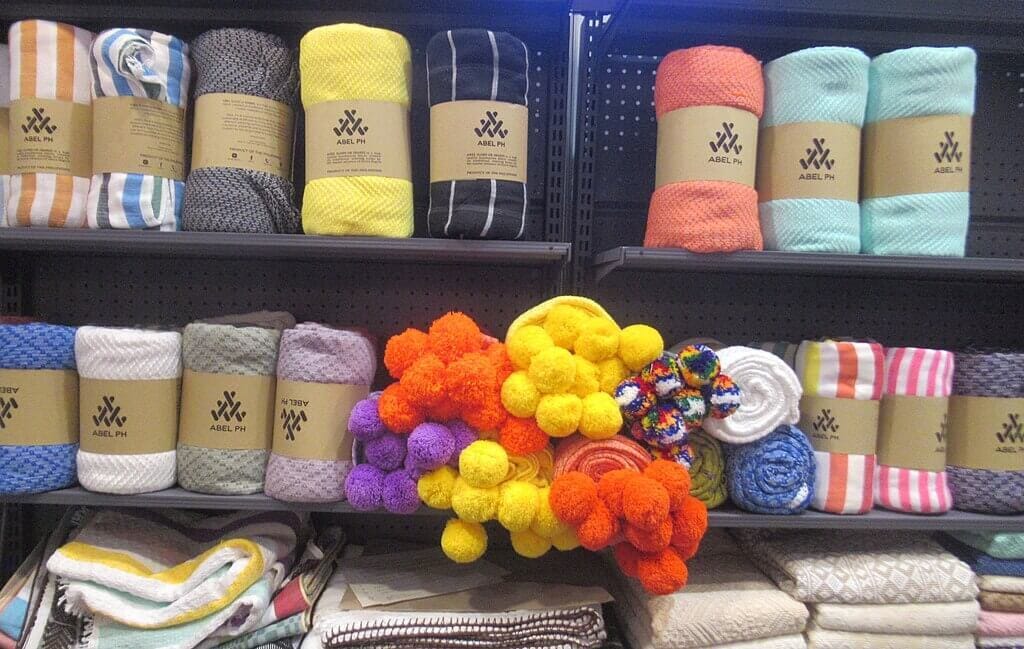
Though rooted in tradition, Inabel has adapted over time. What once covered beds or draped shoulders now lives in fashion boutiques, home décor, and sustainable lifestyle products. Blankets, pillows, curtains, bags, even footwear now incorporate Inabel, blending heritage with modern design.
This resurgence isn’t just aesthetic. It’s revitalizing weaving communities: young artisans revive the craft, local cooperatives grow, and small-scale production becomes a source of livelihood — preserving culture and identity while embracing change.
Why Inabel Matters — Heritage, Craft, and Living Culture
Inabel is more than fabric. It is:
Al iving heritage — a craft that carries centuries of Ilocano history, beliefs, and community wisdom.
A symbol of resilience — surviving colonial changes, industrial textiles, and modernization pressures.
A bridge between past and present — offering sustainable, handcrafted alternatives in fast-fashion and mass production.
A connection to place — every motif, fiber, color speaks of the lands, climate, and people of Ilocos.
For travellers, heritage-seekers, or anyone drawn to meaningful craft, Inabel offers a tangible link to culture, ancestry, and artistry — a softer, slower Philippines waiting in loom, thread, and pattern.

Become An AI Expert In Just 5 Minutes

If you’re a decision maker at your company, you need to be on the bleeding edge of, well, everything. But before you go signing up for seminars, conferences, lunch ‘n learns, and all that jazz, just know there’s a far better (and simpler) way: Subscribing to The Deep View.
This daily newsletter condenses everything you need to know about the latest and greatest AI developments into a 5-minute read. Squeeze it into your morning coffee break and before you know it, you’ll be an expert too.
Subscribe right here. It’s totally free, wildly informative, and trusted by 600,000+ readers at Google, Meta, Microsoft, and beyond.
Opol’s New Coastal Park — A Fresh Coastline, A New Destination
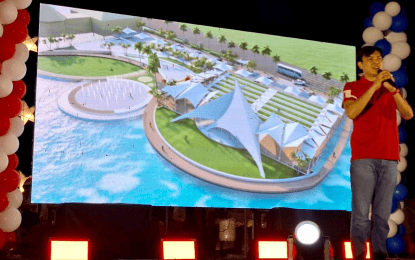
In the coastal town of Opol, Misamis Oriental, the horizon is about to change in a big way. With a government-backed ₱100 million project, the local community is laying the groundwork for a new coastal park — a spot designed to welcome not only locals, but travellers seeking sea, sun, and a taste of Mindanao’s coastal charm. This initiative blends environmental appreciation, local livelihood and tourism potential in a vision that could reshape how Opol is seen by visitors and locals alike.
A Coast Renewed — What the Park Will Bring
The proposed coastal park is more than just a stretch of shore beautified for visitors. It aims to:
Provide access to well-managed beachfront and coastal amenities for families, tourists, and nature-lovers.
Stimulate local employment — from construction to park maintenance, and in future hospitality or service roles once tourism picks up.
Help Opol become a regional destination within Misamis Oriental, drawing attention from travellers who want to experience Mindanao beyond the usual tourist paths — from coasts to culture to community warmth.
For residents, this means new opportunities. For visitors, this means a coastal escape that combines natural beauty with careful planning and local character.
Why This Matters — For Environment, Community & Tourism
This kind of coastal development — when done with care — can become a win-win:
Boosting local economy: Tourism-driven projects like a coastal park create jobs, support small businesses (food, transport, services), and bring in outside spending — vital for local growth.
Encouraging sustainable coastal use: A managed park encourages responsible access: proper waste disposal, regulated entry, community oversight. This helps preserve coastline health, marine life, and environment.
Showcasing Mindanao’s hidden gems: Too often, travel narratives about the Philippines focus on more-touristed islands. Projects like this help spotlight lesser-known locales — offering a different, richer view of Philippine diversity.
Fostering pride & care among locals: When residents see their surroundings valued and invested in, it encourages stewardship: protection of the coast, respect for environment, and mindful tourism.
What To Keep in Mind as a Visitor
If you travel to Opol (or plan to once the park is ready), here are some simple guidelines to help keep the vibe right:
Respect local rules: follow designated paths, avoid littering — coastal ecosystems are fragile.
Support local businesses: use small food stalls, hire local transport, buy souvenirs from neighbourhood vendors.
Engage with community sensibilities: ask before photographing, appreciate local culture, and treat the place with humility and curiosity.
Travel gently: use reef- and environment-friendly products, minimise plastic, and leave only footprints.
A New Chapter for Opol — And Maybe Yours Too
The coastal park project in Opol isn’t just about tourism — it’s about creating a place where nature, community, and visitors meet with respect. It offers a chance to experience Mindanao's coast differently: slower, kinder, more aware.
If you’re ever looking for a destination that balances sea breeze, community warmth, and mindful travel — keep Opol on your radar. As the plan unfolds, this coastal park may become a quiet gem worth discovering.

When Lanterns Light Up the Night — Christmas Magic in E. Samar
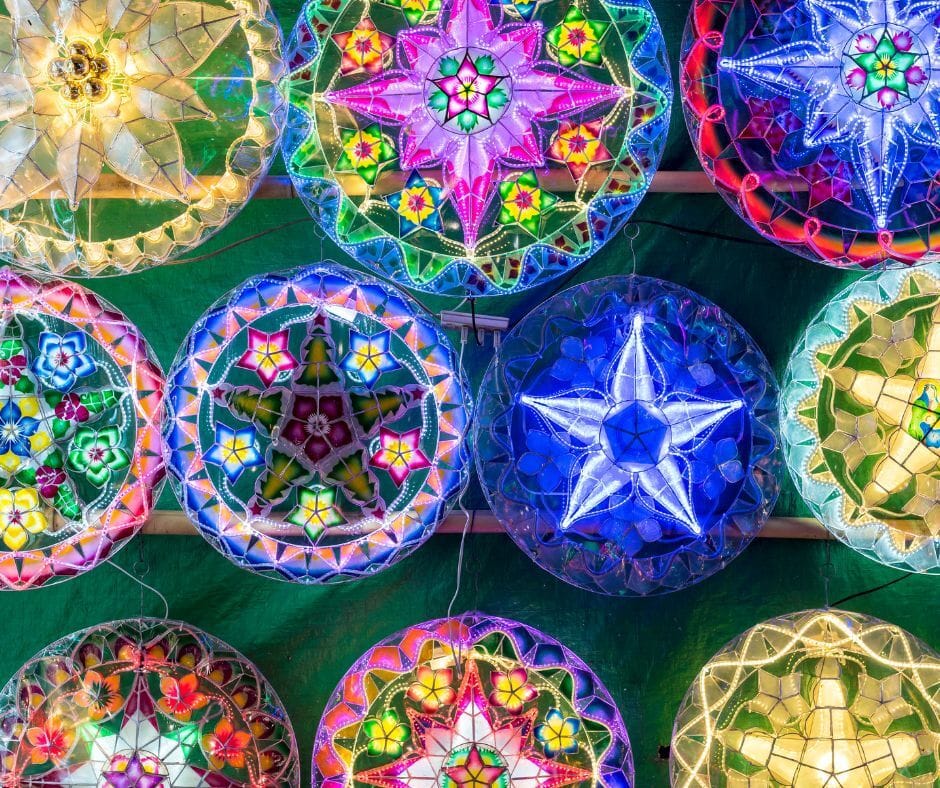
In a small coastal town of Eastern Samar, an annual tradition flares back to life — where giant lanterns glow, coastlines hum with anticipation, and the holiday season arrives not with snow or chill, but with tropical warmth, community spirit, and shimmering lights. The annual “giant-lantern” celebration that has become a cherished Christmas tradition in this town reminds us how Filipino holiday magic is less about luxury and more about togetherness, creativity, and light in the dark.
Lanterns, Community & Christmas Spirit
For eight years now, this town’s giant lantern festival has served as a gathering — for neighbours, families, and visitors — lighting up the community in anticipation of Christmas.
Large, handcrafted lanterns — silent sentinels of colour and light — line streets, façades, and shorelines. Each lantern isn’t just decoration; it’s a communal creation: local artisans, residents, and volunteers coming together to build something beautiful that belongs to everyone. The warm glow of bamboo, paper, metal and light becomes a metaphor — for hope, solidarity, and the shared joy of the season.
Although many associate Christmas with major cities, decorations, and commercial glitz — here, in Eastern Samar, the festival proves that magic lives in simplicity: in neighbourhood camaraderie, local ingenuity, and the soft glow of handmade lanterns against a tropical night.
What It Means Beyond Light & Glow
Cultural identity & continuity — The festival roots the town in a shared tradition, year after year, generation after generation. Children grow up knowing the glow of lanterns, the rhythm of preparations, the communal pride in seeing “their” lanterns light up the night.
Community collaboration — Building giant lanterns requires cooperation: locals gather, share resources, ideas, labour. It strengthens neighbourhood bonds — reminding people that festivities are community efforts, not individual showpieces.
Accessible joy — Unlike costly celebrations, this festival draws on creativity, resourcefulness, and heart. It shows that celebrations don’t need extravagance to be meaningful — only intention, shared purpose, and a little light.
Tourist & cultural interest — For travelers seeking authenticity, this festival is a gem: local life, grassroots creativity, and a genuine holiday vibe away from big-city commercialism. It invites outsiders not as spectators only — but as welcome guests in a community ritual.
How to Appreciate & Respect the Spirit
If you visit or learn of this lantern-lighting tradition, consider:
Watch quietly — appreciate the light, but respect surroundings. These lanterns reflect community effort, not a performance.
Respect local customs — ask prior to taking photos, especially at private houses or family-built lanterns.
Support local artisans — if there are souvenirs, small stalls, or local crafts, consider buying. It helps sustain community traditions.
Bring goodwill — a festive spirit, appreciation, humility — because traditions like this thrive when visitors join the tone of respect and warmth.
In a world where holidays are often defined by consumerism and spectacle, the giant-lantern festival in Eastern Samar reminds us of something fundamental: celebration is light shared, community upheld, memory created. When you see that first glowing lantern against the night sky — you witness not just decoration, but hope, connection, and a culture that holds its light high, together.


The AI Insights Every Decision Maker Needs

You control budgets, manage pipelines, and make decisions, but you still have trouble keeping up with everything going on in AI. If that sounds like you, don’t worry, you’re not alone – and The Deep View is here to help.
This free, 5-minute-long daily newsletter covers everything you need to know about AI. The biggest developments, the most pressing issues, and how companies from Google and Meta to the hottest startups are using it to reshape their businesses… it’s all broken down for you each and every morning into easy-to-digest snippets.
If you want to up your AI knowledge and stay on the forefront of the industry, you can subscribe to The Deep View right here (it’s free!).
Reply