- Finding Utopia Newsletter
- Posts
- Juan Luna — The Filipino Master Who Painted a Nation’s Awakening
Juan Luna — The Filipino Master Who Painted a Nation’s Awakening
Stories: Juan Luna — The Filipino Master Who Painted a Nation’s Awakening; What to Expect When Visiting the Philippines — A First-Timer’s Guide; Panaad sa Negros Festival — A Celebration of Unity, Culture & Pride

KGM Resorts
March 17, 2026
Sponsored by

Hello and Mabuhay!
Welcome to Finding Utopia — your trusted guide to exploring the wonders of the Philippines and beyond.
In this edition, we bring you inspiring stories and essential travel insights to fuel your next adventure:
Juan Luna — The Filipino Master Who Painted a Nation’s Awakening
What to Expect When Visiting the Philippines — A First-Timer’s Guide
Panaad sa Negros Festival — A Celebration of Unity, Culture & Pride
Wherever you're dreaming of going next, we're here to guide you closer to your utopia.
Enjoy the read!
— The Finding Utopia Team
Juan Luna — The Filipino Master Who Painted a Nation’s Awakening
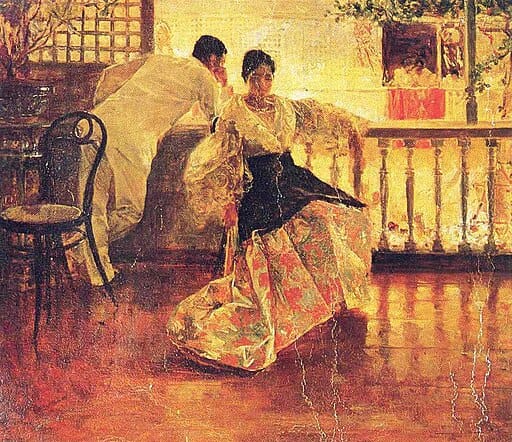
In the late 19th century, at a time when the Philippines was still under colonial rule, one Filipino artist stood on the global stage and proved that Filipino talent could rival the best in the world. Juan Luna, a painter, revolutionary thinker, and cultural icon, used art not only to express beauty—but to reflect the struggles and aspirations of a nation.
Born in 1857 in Ilocos Norte, Luna would go on to become one of the first internationally recognized Filipino artists, earning acclaim in Europe through his powerful historical paintings. His works combined technical mastery with emotional depth, often portraying themes of suffering, dignity, and resistance. Through his art, Luna helped ignite a sense of national identity among Filipinos—making him not just an artist, but a symbol of awakening.
A Filipino Artist on the World Stage
Juan Luna’s journey from the Philippines to Europe marked a turning point in Filipino art history.
He studied art in Manila and later in Spain, where he refined his technique.
His works were exhibited in prestigious European art salons, earning international recognition.
Luna became part of a group of Filipino intellectuals in Europe advocating for reform and equality.
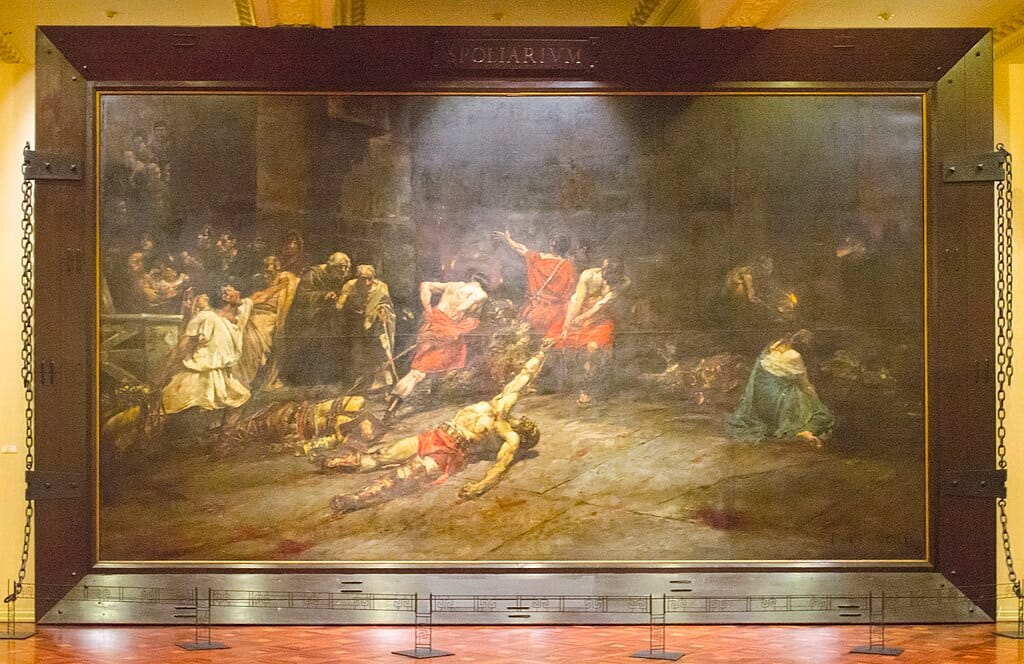
The Power of Spoliarium
Luna’s most famous masterpiece, Spoliarium, remains one of the most important paintings in Philippine history.
Completed in 1884, it depicts fallen gladiators being dragged away after battle.
The painting won the first gold medal at the Madrid Exposition of Fine Arts.
It became a symbol of oppression and suffering under colonial rule, resonating deeply with Filipino audiences.
Art as a Voice for National Identity
Luna’s works went beyond aesthetics—they carried meaning tied to the Filipino experience.
His paintings often portrayed struggle, injustice, and human dignity.
His achievements inspired Filipino reformists, including José Rizal, who celebrated his success as proof of equality.
His art became part of a broader cultural awakening during the Philippine reform movement.
Legacy That Endures
Even today, Juan Luna’s influence remains deeply embedded in Philippine culture.
His works are displayed as national treasures, including Spoliarium at the National Museum of Fine Arts.
He is remembered as both an artist and a patriot of the Philippine Revolution.
His legacy continues to inspire Filipino artists and cultural movements.
Why Juan Luna Still Matters Today
Juan Luna’s story is more than a tale of artistic achievement—it is a story of courage, identity, and national pride. In a time when Filipinos were often dismissed on the world stage, Luna’s success proved that Filipino excellence could not be ignored.
For travelers, history lovers, and culture seekers, his work offers a powerful reminder: that art can awaken a people, challenge injustice, and leave a legacy that endures across generations.

What to Expect When Visiting the Philippines — A First-Timer’s Guide
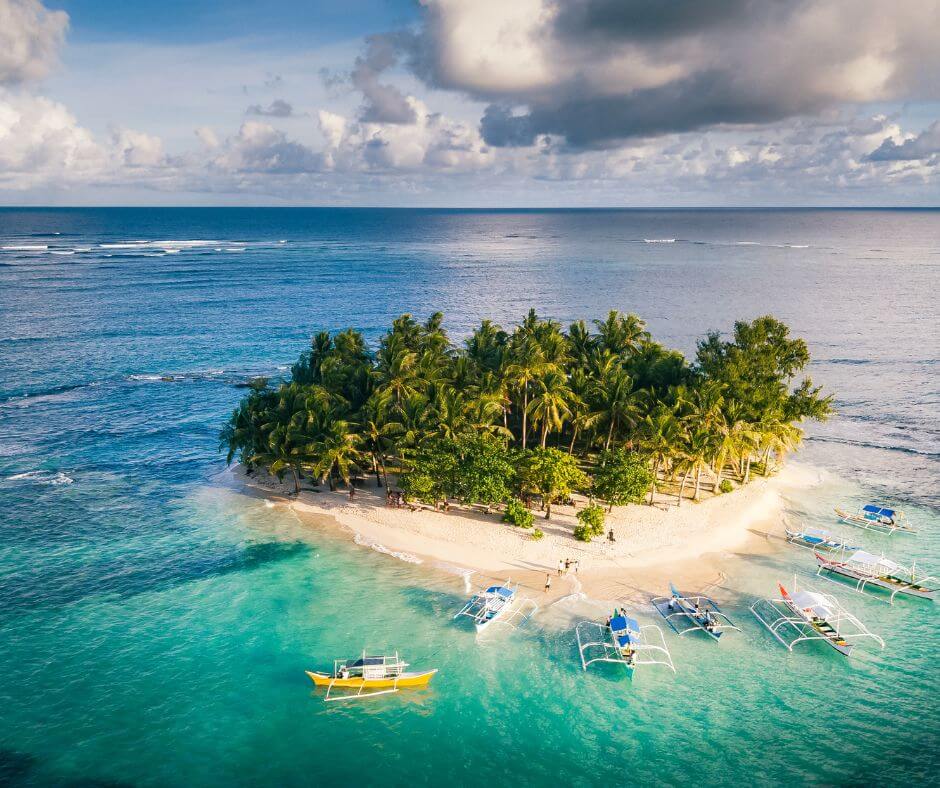
The Philippines is a destination that surprises many first-time travelers. Spread across more than 7,600 islands, the country offers a mix of tropical beauty, vibrant culture, and everyday experiences that feel both familiar and uniquely Filipino. From turquoise waters and white-sand beaches to bustling cities and quiet provincial towns, every journey through the Philippines reveals a different rhythm of life.
But beyond the postcard landscapes, visiting the Philippines means navigating its culture, climate, and travel realities. Understanding what to expect before you arrive can make your trip smoother, more meaningful, and far more enjoyable. Whether you’re planning your first island escape or returning for a deeper experience, here are the essential things to know.
Tropical Climate All Year Round
The Philippines has a tropical maritime climate, meaning warm temperatures throughout the year.
The country experiences two main seasons: dry (November–May) and rainy (June–October).
The dry season is ideal for beach trips, island hopping, and outdoor adventures.
The rainy season brings lush landscapes but can include storms and travel disruptions.
Warm Hospitality and Friendly Locals
One of the most memorable parts of visiting the Philippines is the people.
Filipinos are known for their warmth, friendliness, and hospitality.
English is widely spoken, making communication easy for international travelers.
Visitors are often treated like guests rather than strangers, especially in smaller communities.
Culture Shaped by History and Tradition
Filipino culture is a unique blend of influences.
The country reflects Asian roots combined with Spanish and American influences.
Catholic traditions are visible in festivals, churches, and everyday life.
Respect for elders, family values, and community harmony are central to social interactions.
Island Travel Takes Time and Planning
Traveling across the Philippines requires patience and flexibility.
Distances between islands often involve flights, ferries, or long land travel.
Delays due to weather or logistics can happen, especially during the rainy season.
A well-planned itinerary helps maximize your time and reduce stress.
Food Culture Worth Exploring
Filipino cuisine is an essential part of the travel experience.
Dishes like adobo, sinigang, and lechon reflect the country’s diverse flavors.
Street food and local eateries offer authentic and affordable dining experiences.
Regional specialties vary across islands, adding depth to every trip.
Mix of Modern Cities and Rural Charm
The Philippines offers both urban and provincial experiences.
Cities like Manila and Cebu provide shopping malls, nightlife, and modern conveniences.
Rural areas and islands offer peaceful landscapes, beaches, and traditional lifestyles.
Travelers can experience both within a single trip.
Destination That Stays with You
Visiting the Philippines is more than a vacation—it’s an experience shaped by people, culture, and nature. From navigating island travel to sharing meals with locals, every moment adds to a deeper understanding of the country.
What to expect? Warm smiles, unexpected adventures, and a journey that goes beyond the surface.

Panaad sa Negros Festival — A Celebration of Unity, Culture & Pride

In the heart of Negros Occidental, preparations are underway for one of the Philippines’ most vibrant provincial celebrations — the Panaad sa Negros Festival. Set to take place from April 13 to 19 at the Panaad Park and Stadium in Bacolod City, the festival promises a dynamic showcase of culture, community, and heritage. This annual event gathers all cities and municipalities of Negros Occidental, offering visitors a unique opportunity to experience the province’s identity in one place.
Often described as the “festival of festivals” in Negros Occidental, Panaad highlights the diversity of local traditions, products, and talents. Each participating town presents its own booth, performances, and specialties, turning the festival grounds into a living representation of the province. With renewed energy and preparations in full swing, organizers are aiming to deliver an unforgettable experience for both locals and visitors.
Province-Wide Cultural Showcase
The Panaad Festival brings together all local government units in Negros Occidental.
Cities and municipalities set up individual pavilions or booths.
Each booth showcases local culture, products, and traditions.
Visitors can explore the entire province in one venue.
Performances and Festivals in One Venue
One of the defining features of Panaad is its vibrant performances.
Participating towns present dance, music, and festival performances.
Cultural presentations highlight the unique identity of each locality.
The event creates a lively atmosphere filled with color, rhythm, and storytelling.
Local Products and Culinary Experiences
Panaad is also a celebration of local flavors and craftsmanship.
Visitors can sample Negros Occidental’s food specialties.
Booths feature local products, crafts, and delicacies.
The festival supports local producers and entrepreneurs.
Community Pride and Participation
At its core, Panaad is about unity and shared identity.
The festival reflects the collective pride of Negrenses.
Local governments, performers, and communities work together to present their best.
It serves as a platform for strengthening cultural awareness and connection.
Growing Tourism Attraction
With its scale and cultural depth, the festival continues to attract visitors.
It draws both local and domestic tourists.
The event contributes to the region’s tourism and economic activity.
Organizers aim to elevate the festival experience each year.
A Festival That Brings a Province Together
The Panaad sa Negros Festival is more than a celebration—it is a reflection of Negros Occidental’s identity, creativity, and unity. By bringing together communities, traditions, and local pride, the festival offers a powerful reminder of how culture connects people across towns and generations.
For travelers seeking an authentic cultural experience, Panaad provides a unique window into the life and spirit of Negros—where every performance, flavor, and story contributes to a shared celebration.


Are You Ready to Actually Retire?

Knowing when to retire is harder than knowing how much to save. The timing depends on what your retirement actually looks like: how long your money needs to last, what you'll spend, and where your income comes from.
When to Retire: A Quick and Easy Planning Guide is built for investors with $1,000,000 or more who are ready to move from saving to planning. Download your free guide and start working through the details.
Reply