- Finding Utopia Newsletter
- Posts
- “Kumain Ka Na Ba?” — Why Filipinos Always Ask If You’ve Eaten
“Kumain Ka Na Ba?” — Why Filipinos Always Ask If You’ve Eaten
Stories: “Kumain Ka Na Ba?” — Why Filipinos Always Ask If You’ve Eaten; Mount Iraya — The Majestic Volcano Watching Over Batanes

KGM Resorts
June 19, 2026

In partnership with

Hello and Mabuhay!
Welcome to Finding Utopia — your trusted guide to exploring the wonders of the Philippines and beyond.
In this edition, we bring you inspiring stories and essential travel insights to fuel your next adventure:
“Kumain Ka Na Ba?” — Why Filipinos Always Ask If You’ve Eaten
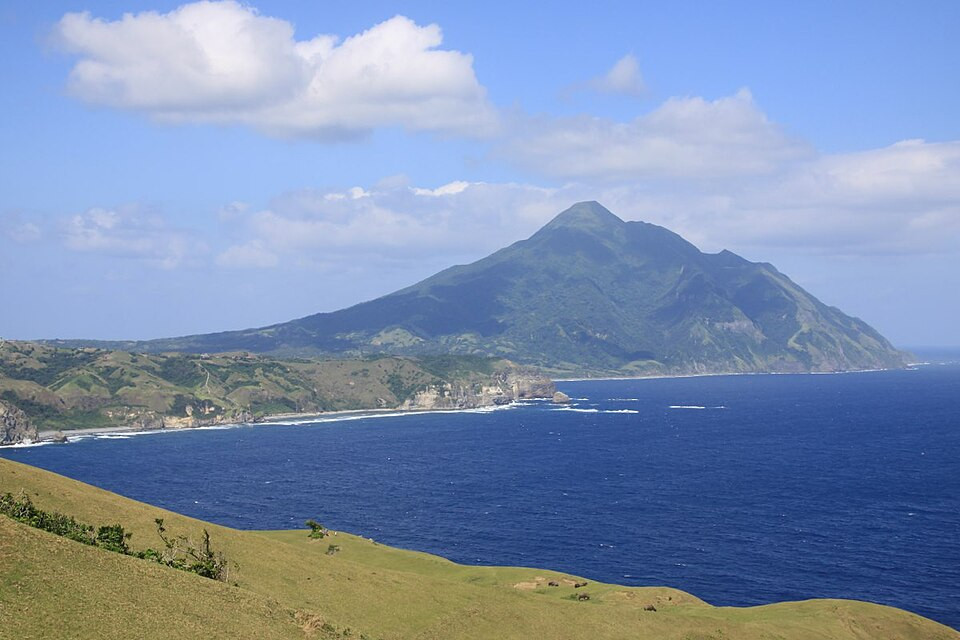
Mount Iraya — The Majestic Volcano Watching Over Batanes
Wherever you're dreaming of going next, we're here to guide you closer to your utopia.
Enjoy the read!
— The Finding Utopia Team
“Kumain Ka Na Ba?” — Why Filipinos Always Ask If You’ve Eaten

If you spend enough time in the Philippines, you will eventually hear a familiar question: “Kumain ka na ba?” or “Have you eaten yet?” At first, visitors may assume it is simply a question about food. But for many Filipinos, the phrase carries a much deeper meaning. It is often less about hunger and more about care, concern, hospitality, and human connection. In many ways, this simple question reflects the heart of Filipino culture itself.
Food has always played a central role in Filipino family life and community relationships. Meals bring people together, celebrations revolve around shared dishes, and hospitality is often expressed through food. Because of this, asking someone if they have eaten becomes a natural way of checking on their well-being. It is a small question with a powerful message: “I care about you.” Below are some of the reasons why “Kumain ka na ba?” remains one of the most meaningful expressions in Filipino culture.
It Is a Way of Showing Care
For many Filipinos, asking if someone has eaten is an expression of concern.
Similar to asking how someone is doing
Reflects genuine care for another person's well-being
Often used among family members, friends, and even acquaintances
The question is less about food and more about showing kindness and attention.
Food Is Central to Filipino Culture
Food plays a major role in everyday Filipino life.
Meals are often shared with family and friends
Celebrations revolve around food and gatherings
Hospitality is frequently expressed through offering something to eat
Because food is so important, asking about it becomes a natural part of social interaction.
It Reflects Filipino Hospitality
The famous warmth of Filipino hospitality is closely tied to food.
Guests are commonly offered refreshments or meals
Visitors are often invited to join family meals
Sharing food is considered a gesture of welcome and generosity
A simple question about eating can quickly turn into an invitation to the table.
Family Connections Begin Around the Table
Many Filipino families place great importance on shared meals.
Breakfast, lunch, and dinner are often family moments
Meals create opportunities for conversation and bonding
Food strengthens relationships across generations
Asking whether someone has eaten acknowledges the importance of these daily connections.
Tradition Passed Through Generations
The phrase has been part of Filipino culture for generations.
Parents ask their children
Grandparents ask their grandchildren
Friends use it as a familiar greeting
Its continued use reflects enduring Filipino values centered on care and community.
More Than a Greeting
In some situations, “Kumain ka na ba?” functions almost like a greeting.
Opens conversations in a warm and personal way
Creates an immediate sense of connection
Reflects the Filipino tendency to prioritize relationships
The phrase helps transform ordinary interactions into meaningful exchanges.
A Simple Question with a Big Meaning
Kumain ka na ba? may seem like a simple question, but it reveals something profound about Filipino culture. It reflects hospitality, family values, compassion, and the belief that caring for others is an important part of everyday life.
In a world where conversations can often feel rushed and impersonal, this small phrase serves as a reminder that sometimes the simplest questions carry the deepest meaning. For Filipinos, asking if someone has eaten is often another way of saying, “I’m thinking about you.”

Mount Iraya — The Majestic Volcano Watching Over Batanes

Rising above the windswept landscapes of Batanes, Mount Iraya is one of the province’s most iconic natural landmarks. Located on Batan Island, this dormant volcano dominates the northern skyline and serves as a powerful symbol of the rugged beauty that defines the Philippines’ northernmost province. Covered in lush vegetation and often wrapped in mist, Mount Iraya has long been part of Ivatan history, culture, and daily life.
For travelers visiting Batanes, Mount Iraya is more than just a scenic backdrop. It represents the unique relationship between the Ivatan people and the natural environment that has shaped their way of life for centuries. Whether admired from a distance, photographed from coastal viewpoints, or explored through challenging hiking trails, the volcano offers a deeper understanding of the province’s remarkable landscapes and cultural heritage. Below are some of the reasons why Mount Iraya remains one of Batanes’ most fascinating natural attractions.
One of the Most Recognizable Landmarks in Batanes
Mount Iraya is among the most prominent features of the Batanes landscape.
Towering above Batan Island's northern region
Visible from many parts of the province
Serves as a natural symbol of Batanes
Its distinctive silhouette has become one of the most photographed sights in the province.
Dormant Volcano with a Powerful Presence
Mount Iraya is classified as a dormant volcano.
Formed through volcanic activity that helped shape the islands
Contributes to the dramatic geography of Batanes
Stands as a reminder of the geological forces that created the archipelago
Its volcanic origins are part of what makes Batanes so geologically unique.
Home to Rich Forest Ecosystems
The mountain supports important natural habitats.
Covered with dense vegetation and forest growth
Provides habitat for various plant and animal species
Contributes to the ecological diversity of the province
These natural environments add to the mountain's importance beyond its scenic beauty.
A Destination for Adventure Seekers
Mount Iraya attracts hikers looking for a rewarding challenge.
Trails pass through forests and rugged terrain
The hike offers opportunities to experience Batanes' natural landscapes up close
Adventurers are rewarded with spectacular views of the surrounding islands and sea
The journey to the summit is considered one of the province's most memorable outdoor experiences.
Deeply Connected to Ivatan Culture
The mountain has long been part of local identity.
Featured in local stories and traditions
Forms part of the cultural landscape of Batanes
Represents the close relationship between the Ivatan people and their environment
Its presence has influenced life in the province for generations.
Offering Some of the Best Views in Batanes
Mount Iraya helps create the breathtaking scenery for which Batanes is famous.
Overlooks coastlines, rolling hills, and surrounding waters
Creates dramatic backdrops for photography
Enhances the province's reputation as one of the Philippines' most beautiful destinations
The volcano's beauty changes throughout the day as weather and light shift across the landscape.
More Than a Volcano — A Symbol of Batanes
Mount Iraya is more than a geological feature. It is a symbol of Batanes' natural beauty, cultural heritage, and enduring connection between people and the land. Standing quietly over the province, it reflects the resilience, strength, and timeless character of the Ivatan people.
For travelers seeking to understand the true spirit of Batanes, Mount Iraya offers more than stunning scenery—it offers a glimpse into the history, culture, and landscapes that make the province unlike anywhere else in the Philippines.

Bloom Philippines: An Adult Coloring Book
Celebrates the extraordinary beauty of the Philippine islands through more than 50 detailed illustrations inspired by tropical flowers, native plants, and Filipino-inspired decorative patterns. Featuring Sampaguita blossoms, Gumamela flowers, exotic orchids, palm frond mandalas, rainforest botanicals, and tropical island-inspired designs, this collection offers a relaxing and creative escape into one of the world’s richest biodiversity hotspots. Designed for mindfulness, stress relief, and artistic expression, Bloom Philippines is perfect for nature lovers, coloring enthusiasts, and anyone seeking a deeper appreciation of the Philippines’ natural and cultural beauty.
Men, You've Been Misinformed

Men's skin is about 25% thicker than women's, but thicker skin doesn't mean better aging. It means delayed collapse. For years, your skin looks resilient. Then collagen declines, and when it does, it drops hard: deeper wrinkles, heavier under-eye bags, more dark spots showing up all at once.
Most men were never taught to get ahead of this. Women were. And by the time the signs show up, you're playing catch-up.
Particle Face Cream was built precisely for this. One 6-in-1 formula engineered for men's skin — reduces eye bags, dark spots, and wrinkles, restores firmness, hydrates deeply, and revives dull tone. No complicated routine. Over 1,000,000 men already use it. Try it risk-free with a 30-day money-back guarantee.
Reply