- Finding Utopia Newsletter
- Posts
- Mindanao Lorikeet — The Endemic Parrot of the Philippine Highlands
Mindanao Lorikeet — The Endemic Parrot of the Philippine Highlands
Stories: Mindanao Lorikeet — The Endemic Parrot of the Philippine Highlands; Mount Asog (Mount Iriga) — A Hidden Volcano Trek in Camarines Sur

KGM Resorts
January 16, 2026
In partnership with

Hello and Mabuhay!
Welcome to Finding Utopia — your trusted guide to exploring the wonders of the Philippines and beyond.
In this edition, we bring you inspiring stories and essential travel insights to fuel your next adventure:
Mindanao Lorikeet — The Endemic Parrot of the Philippine Highlands
Mount Asog (Mount Iriga) — A Hidden Volcano Trek in Camarines Sur
Wherever you're dreaming of going next, we're here to guide you closer to your utopia.
Enjoy the read!
— The Finding Utopia Team
Mindanao Lorikeet — The Endemic Parrot of the Philippine Highlands
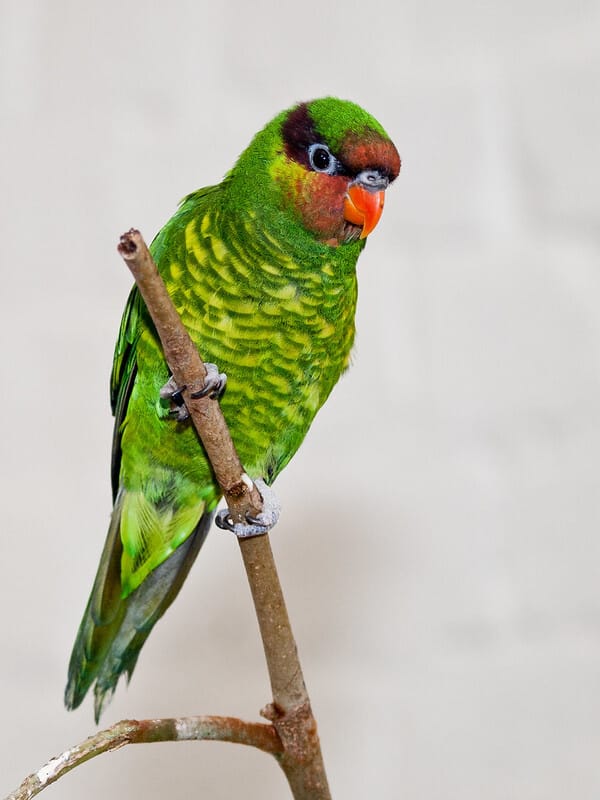
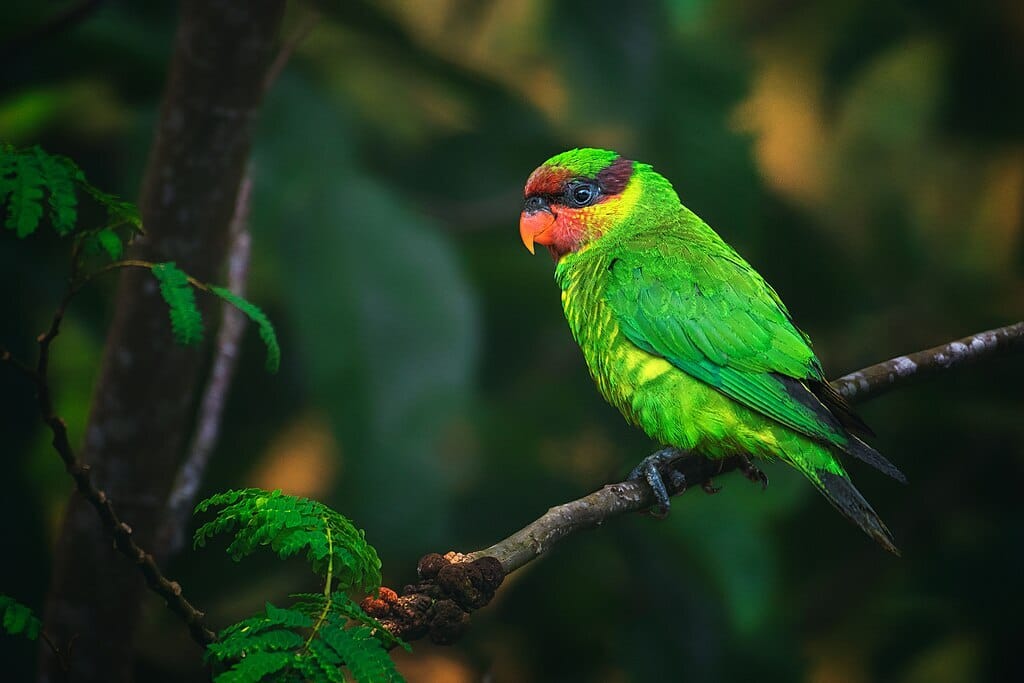
Perched among mossy branches high in the mountains of Mindanao is one of the Philippines’ most brightly colored and ecologically valuable birds — the Mindanao Lorikeet (Saudareos johnstoniae). Often overlooked in favor of larger wildlife icons, this spectacular parrot offers a vivid reminder of the country’s extraordinary biodiversity, and why protecting its highland forests matters for future generations.
A Parrot Painted by Nature
Vibrant Plumage: The Mindanao Lorikeet is instantly eye-catching — brilliant green feathers with splashes of bright red and blue along the head and chest make it unmistakable in flight.
Living Color Palette: These luminous hues aren’t merely decorative; in dense forest light, they help individuals spot one another among leaves and blossoms as they forage.
A Rarity in the Sky: Unlike many parrots that thrive in lowland gardens or urban spaces, this species lives predominantly in the montane mossy forests of Mindanao — one of the Philippines’ most remote and mist-shrouded ecosystems.
Habitat & Highland Life
Mountain Home: Found at elevations generally above 1,000 meters, the Mindanao Lorikeet favors cool, wet forests where tree canopies drip with orchids and mosses.
Niche Forest Ecology: These birds cluster around flowering trees and shrubs, sipping nectar — a key part of how they help sustain plant populations.
Seasonal Movements: While largely resident, lorikeets may shift their range seasonally depending on food availability, following blooms up and down mountain slopes.
What They Eat & Why It Matters
Nectar & Pollen Specialists: Unlike many parrots that rely primarily on seeds, the Mindanao Lorikeet has a brush-like tongue adapted for nectar feeding — sipping sweet fluids and collecting pollen as it moves from flower to flower.
Ecological Partners: In doing so, it becomes a pollinator, helping flowering highland plants reproduce. This makes the lorikeet a critical ecological bridge between fauna and flora.
Fruit & Blossoms: Alongside nectar, they also enjoy soft fruits and buds — a varied diet that reflects the rich plant diversity of their cloud-forest home.
Threats & Conservation
Habitat Loss: Like many highland species, the Mindanao Lorikeet faces pressure from deforestation, logging, agricultural conversion and infrastructure expansion. Once continuous forest becomes patchwork, populations can become isolated.
Fragmentation & Risk: Small, disconnected forest pockets make it harder for lorikeets to find food, mates, or new territories — increasing vulnerability to environmental change.
Need for Protection: Conservationists advocate for stronger protection of remaining highland forests, community-based stewardship and sustainable land-use planning to ensure the lorikeet’s survival.
Why This Bird Matters
The Mindanao Lorikeet is more than a vivid feathered resident — it’s a symbol of ecosystem health and an ambassador for cloud-forest conservation. Its presence tells us a forest still functions, nourishes, and connects life from root to canopy.
For travelers and nature lovers visiting Mindanao’s highlands, spotting these rainbow birds can be a highlight — a moment of wonder that underscores how unique and precious the Philippines’ biodiversity truly is.


If you’re craving a trek that blends adventure, wildlife, culture and sweeping views — Mount Asog (also known as Mount Iriga) in Camarines Sur is a Philippine volcano experience that’s still under the radar for many travellers. Rising from the Bicol landscape, this volcano offers a unique trail through forest, ferns and rock formations all the way to panoramic crater views. Here’s what makes Mount Asog a must-explore for 2026.
Volcano Profile — What You Should Know
Dual Identity: Locals call it both Mount Asog and Mount Iriga. The name “Asog” refers to the peak itself, while “Iriga” stems from the nearby city it overlooks.
Type & Terrain: It’s a stratovolcano — meaning its slopes are built from alternating layers of lava flows, tephra and volcanic ash. This structure gives the trail variety: rocky ridges, forested sections and open crests.
Elevation: Roughly 1,196 meters above sea level, Asog offers a challenging yet rewarding trek with dramatic skies and coastal views on clear days.
Trail Highlights — What You’ll See & Do
Lush Forest Approach: The hike begins with green, shaded forest paths — bamboo, ferns and moss-covered roots give way to sudden open sections as you ascend.
Volcanic Rock Formations: Partway up, ancient volcanic ridges and rock outcrops create striking scenery — a reminder you’re on an active geological landscape shaped over millennia.
Sweeping Panoramas: As you near the summit ridge, islands, coastlines and lowland plains unfold before you. On a clear horizon, the vista reaches toward Ticao Island and neighboring volcanoes across Pintados Bay.
Trek Tips & What to Pack
Footwear is Essential: The terrain is uneven — rock, roots and soft soil — so sturdy hiking shoes with good grip make the climb smoother.
Water & Snacks: There are few resources on the trail; bring at least 1.5–2 L of water per person and calorie-rich snacks to sustain your energy.
Pace Yourself: The climb can be steep in places. Take breaks to enjoy views, capture photos, and acclimate — especially if you’re newer to volcano trekking.
Sun & Bugs: Lightweight long sleeves, sunscreen and insect repellent help with sun exposure on open ridges and insects in shaded forest sections.
Why Mount Asog Belongs on Your Trek List
Undiscovered Vibe: Unlike more popular Philippine volcanoes (e.g., Mayon, Taal), Asog still feels like a secret adventure — fewer crowds, more landscape intimacy.
Diverse Ecosystems: You cross different ecological zones in one trek — from shaded undergrowth to open crater ridges and panoramic vistas.
Local Connections: The trail threads through villages where warm Bicolano hospitality is common. Trekking with a local guide not only supports community tourism but deepens cultural perspective.
Whether you’re an experienced hiker or a nature lover seeking a new Philippine adventure, Mount Asog delivers on challenge, beauty, and discovery. It’s a trek that rewards effort with wide-sweeping views and a profound sense of place — an unforgettable way to start 2026.


Adventure outside the ordinary

What happens when one of the most trusted specialty outdoor retailers, REI Co-op, teams up with the world's largest travel company, Intrepid Travel? You get a unique collection of active trips that offer meaningful, immersive travel experiences in the outdoors.
It’s travel inspired by REI, operated by Intrepid. Think community farm stays in Costa Rica, camping in Joshua Tree’s wild backcountry, cycling in Peru’s Sacred Valley, or sleeping in mountain huts before summiting Mount Kilimanjaro.
So, where will you go? Explore more than 85 destinations worldwide with a small group of up to 16, and an expert local leader who’ll help you to truly experience the destination.
REI Co-op members save 15% on REI Exclusive trips and receive a 20% off coupon to use at REI Co-op after booking REI Recommended trips.
For T&Cs and to view the full collection of trips in 85+ destinations, visit rei.com/travel.
Reply