- Finding Utopia Newsletter
- Posts
- Souvenirs to Buy in the Philippines — Bringing Home a Piece of the Islands
Souvenirs to Buy in the Philippines — Bringing Home a Piece of the Islands
Stories: Souvenirs to Buy in the Philippines — Bringing Home a Piece of the Islands; Philippine Chocolate & Tablea — A Rich Tradition Rooted in Cacao; Filipino Dishes Gain Global Recognition — A Culinary Identity Rising on the World Stage

KGM Resorts
April 24, 2026

In partnership with

Hello and Mabuhay!
Welcome to Finding Utopia — your trusted guide to exploring the wonders of the Philippines and beyond.
In this edition, we bring you inspiring stories and essential travel insights to fuel your next adventure:
Souvenirs to Buy in the Philippines — Bringing Home a Piece of the Islands
Philippine Chocolate & Tablea — A Rich Tradition Rooted in Cacao
Filipino Dishes Gain Global Recognition — A Culinary Identity Rising on the World Stage
Wherever you're dreaming of going next, we're here to guide you closer to your utopia.
Enjoy the read!
— The Finding Utopia Team
Souvenirs to Buy in the Philippines — Bringing Home a Piece of the Islands
Traveling through the Philippines is more than just visiting beautiful places—it’s about experiencing a culture rich in tradition, craftsmanship, and creativity. One of the most meaningful ways to remember your journey is through souvenirs, or pasalubong, a uniquely Filipino tradition of bringing gifts home to loved ones. These items are more than simple keepsakes—they carry stories, heritage, and the spirit of the places you’ve explored.
From handcrafted goods to delicious local treats, the Philippines offers a wide range of souvenirs that reflect its diverse culture and natural resources. Whether you’re shopping in bustling city markets or small island stalls, each item tells a story of Filipino identity and artistry. Below are some of the best souvenirs to buy in the Philippines and what makes them special.
Dried Mangoes and Local Delicacies
Food is one of the most popular and practical souvenirs.
Dried mangoes are among the country’s most iconic treats
Easy to carry, long-lasting, and widely available
Other options include banana chips, local coffee, and coconut-based products
These edible souvenirs offer a taste of the Philippines long after your trip ends.
Handwoven Crafts and Textiles
Filipino craftsmanship shines through traditional weaving.
Products made from abaca, piña, and other natural fibers
Includes bags, mats, and home décor
Reflects indigenous techniques passed down through generations
Traditional Clothing and Cultural Pieces
Clothing can be a meaningful cultural souvenir.
Barong Tagalog and other traditional garments
Made with delicate fabrics like piña and jusi
Often hand-embroidered with intricate designs
Jewelry and Natural Treasures
The Philippines is known for unique natural materials.
South Sea pearls are among the most prized souvenirs
Jewelry crafted from shells and local materials
Available in both high-end and affordable options
Wooden Crafts and Decorative Items
Artisan woodwork is widely found across the country.
Hand-carved figurines, utensils, and home décor
Reflects regional styles and craftsmanship
Often made from locally sourced materials
Iconic Filipino Keepsakes
Some souvenirs are instantly recognizable symbols of the country.
Mini jeepneys, keychains, and magnets
Represent everyday Filipino life and culture
Lightweight and easy to bring home
More Than a Souvenir — A Story to Take Home
Souvenirs from the Philippines are more than objects—they are memories you can hold. Each piece reflects the country’s culture, creativity, and connection to its people and places.
Whether it’s the sweetness of dried mangoes, the artistry of handwoven crafts, or the elegance of traditional clothing, every item carries a story worth sharing.

Philippine Chocolate & Tablea — A Rich Tradition Rooted in Cacao

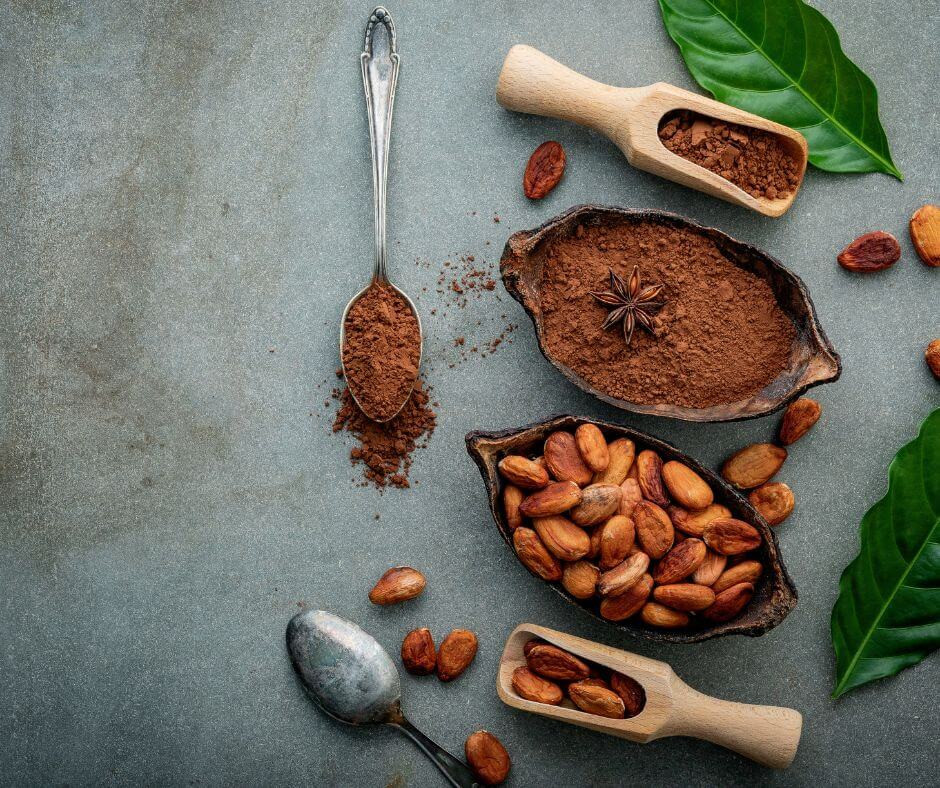
Long before modern chocolate bars became popular, the Philippines already had its own rich chocolate tradition—tablea. Made from pure cacao beans, tablea represents one of the most authentic forms of chocolate in the country, deeply tied to Filipino culture and everyday life. From morning drinks to comforting desserts, cacao has long played a role in Filipino kitchens, offering both flavor and heritage in every cup and bite.
The Philippines sits within the global cacao belt, making it an ideal place for growing high-quality cacao. Over time, this natural advantage has evolved into a growing chocolate culture—one that blends traditional methods with modern craftsmanship. At the heart of this is tablea, a simple yet powerful expression of Filipino chocolate-making. Below are the key elements that define Philippine cacao and why it continues to gain recognition today.
Tablea — Chocolate in Its Purest Form
Tablea is traditional Filipino chocolate made from cacao beans.
Made by fermenting, drying, roasting, and grinding cacao beans
Molded into tablets, discs, or balls without additives
Considered 100% pure chocolate in its traditional form
A Deep Cultural and Culinary Tradition
Cacao is deeply embedded in Filipino food culture.
Used to make tsokolate, a traditional hot chocolate drink
Essential ingredient in champorado, a chocolate rice porridge
Often paired with local delicacies like bread and rice cakes
From Bean to Tablea — A Skilled Process
Creating tablea is both an art and a tradition.
Cacao beans are fermented to develop flavor
Roasting enhances aroma and reduces bitterness
Grinding transforms beans into a rich chocolate paste
Growing Cacao Industry
Philippine cacao is gaining global recognition.
The country produces various cacao products, including tablea and chocolate
Demand for cacao continues to grow locally and internationally
Increasing support for farmers and sustainable production
Health and Natural Benefits of Cacao
Cacao is valued not just for taste, but for its natural properties.
Rich in antioxidants and beneficial compounds
Associated with improved heart health and reduced inflammation
Often considered a natural, minimally processed food
Tradition Meets Modern Craft Chocolate
Philippine chocolate is evolving beyond tradition.
Rise of bean-to-bar chocolate makers using local cacao
Focus on quality, sustainability, and local sourcing
Growing international recognition for Filipino chocolate brands
More Than Chocolate — A Taste of Heritage
Philippine chocolate, especially tablea, is more than just a food product—it is a cultural experience. It reflects history, craftsmanship, and the connection between land and people.
As the world begins to rediscover cacao in its purest form, the Philippines stands ready—offering a chocolate tradition that is rich, authentic, and deeply rooted in heritage.
Filipino Dishes Gain Global Recognition — A Culinary Identity Rising on the World Stage

Filipino cuisine continues to gain international recognition, with several iconic dishes recently earning spots among the world’s best. Highlighted in global food rankings, favorites like inasal, sinigang, and adobo are once again drawing attention to the Philippines’ rich and diverse culinary heritage. These recognitions reflect not only the flavors of Filipino food but also the stories, traditions, and cultural influences behind every dish.
As global interest in Filipino cuisine grows, these dishes are becoming ambassadors of the country’s identity. Known for bold flavors, balance, and regional diversity, Filipino food offers a unique experience shaped by history, geography, and local ingredients. From tangy soups to smoky grilled specialties, each dish represents a deeper connection to Filipino life and culture. Below are the key highlights behind this global recognition and what makes these dishes stand out.
Sinigang — A Distinctly Filipino Flavor
Sinigang is one of the most iconic Filipino dishes recognized globally.
Known for its sour and savory broth, often flavored with tamarind
Made with pork, seafood, or vegetables
Represents the Filipino love for bold, balanced flavors
Adobo — The National Dish
Adobo continues to be one of the most recognized Filipino dishes internationally.
Made by braising meat in vinegar, soy sauce, garlic, and spices
Known for its rich, savory, and slightly tangy flavor
A staple dish found in homes across the Philippines
Inasal — A Regional Favorite Goes Global
Chicken inasal from the Visayas has gained global attention.
Grilled chicken marinated in local spices and citrus
Known for its smoky flavor and vibrant color
Often served with rice and dipping sauces
Reflection of Cultural Diversity
Filipino cuisine is shaped by various cultural influences.
Combines indigenous, Spanish, Chinese, and Malay culinary traditions
Uses local ingredients to create distinct regional flavors
Reflects the country’s complex history through food
Growing Global Appreciation
International recognition continues to elevate Filipino cuisine.
Featured in global rankings and food platforms
Increasing presence in international restaurants and culinary events
Greater awareness of Filipino flavors worldwide
More Than Food — A Cultural Expression
The global recognition of Filipino dishes is more than just a culinary achievement—it is a celebration of culture, identity, and heritage. Each dish tells a story of tradition, resilience, and creativity passed down through generations.
As Filipino cuisine continues to rise on the world stage, it invites the world not just to taste—but to understand the rich cultural roots behind every flavor.


Arnold Schwarzenegger has a newsletter.

Yeah. That Arnold Schwarzenegger.
So do Codie Sanchez, Scott Galloway, Colin & Samir, Shaan Puri, and Jay Shetty. And none of them are doing it for fun. They're doing it because a list you own compounds in ways that social media never will.
beehiiv is where they built it. You can start yours for 30% off your first 3 months with code PLATFORM30. Start building today.
Reply