- Finding Utopia Newsletter
- Posts
- The Filipino Family — Where Culture, Care & Community Begin
The Filipino Family — Where Culture, Care & Community Begin
Stories: The Filipino Family — Where Culture, Care & Community Begin; Rare Endemic Birds of the Philippines — A Feathered Treasure Trove; Philippine Visa Application Checklist 2026 — A Clear Guide for Travelers

KGM Resorts
January 23, 2026
In partnership with

Hello and Mabuhay!
Welcome to Finding Utopia — your trusted guide to exploring the wonders of the Philippines and beyond.
In this edition, we bring you inspiring stories and essential travel insights to fuel your next adventure:
The Filipino Family — Where Culture, Care & Community Begin
Rare Endemic Birds of the Philippines — A Feathered Treasure Trove
Philippine Visa Application Checklist 2026 — A Clear Guide for Travelers
Wherever you're dreaming of going next, we're here to guide you closer to your utopia.
Enjoy the read!
— The Finding Utopia Team
The Filipino Family — Where Culture, Care & Community Begin

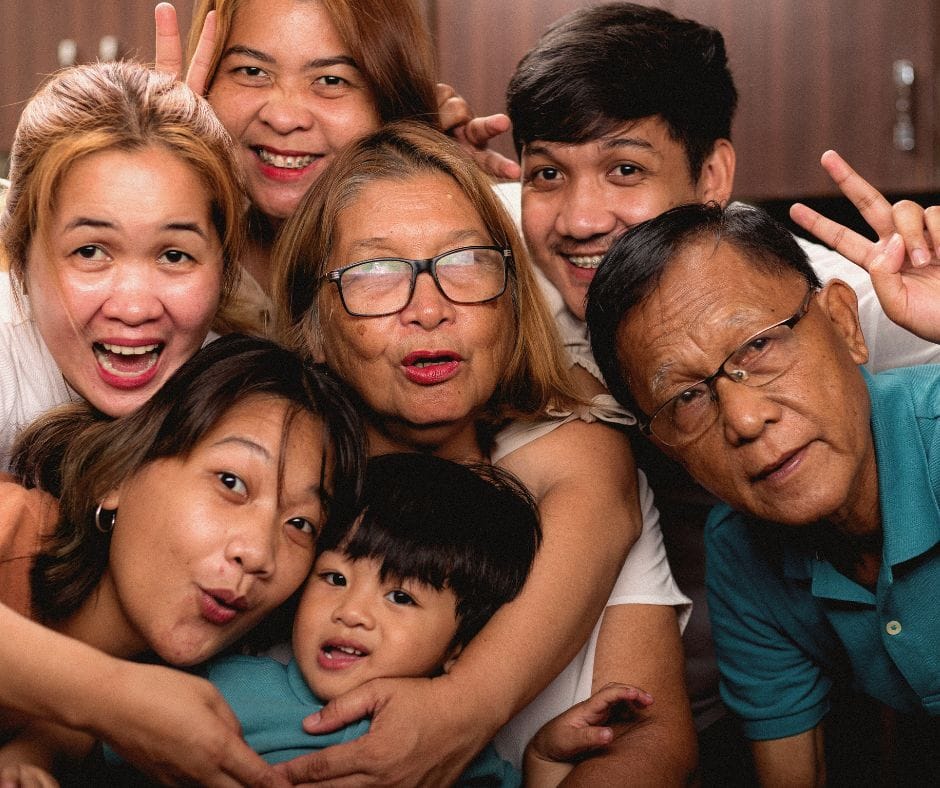
In the Philippines, family isn’t just a social unit—it’s where identity, values, and belonging take root. Everywhere you go in this archipelago—whether in bustling city streets or serene rural towns—you’ll find that family shapes everyday life in profound ways. From shared meals to multi-generational homes, the Filipino family embodies a tapestry of values that guide behaviour, relationships and community cohesion. Our latest blog post explores what makes the Filipino family such a central force in Philippine culture, and why it continues to endure through change and time.
The Family Structure — More Than Nuclear, Deeply Interconnected
Filipino families often stretch beyond parents and children. They include grandparents, aunts, uncles, cousins—even close friends who become like siblings. This extended network does more than live under one roof—it supports practical needs, emotional wellbeing, and shared responsibility.
In many households, daily life unfolds with collective rhythm: cooking together, helping with schoolwork, sharing responsibilities for chores, and participating in family discussions. For children, growing up in this environment means constant connection to elders, storytellers, caregivers and playmates—a network of care that leaves lasting imprint.
Core Values That Shape Family Life
At the heart of Filipino family life are values woven into everyday interactions:
Pakikisama (Harmony) — Maintaining peace and solidarity within the group is paramount. Consensus and cooperation are valued over conflict.
Utang na Loob (Debt of Gratitude) — A deep sense of gratitude and willingness to reciprocate goodwill, especially toward parents and elders.
Hiya (Respect & Dignity) — A gentle sensitivity to others’ feelings, avoiding embarrassment and preserving harmony.
Bayanihan (Collective Help) — Mutual support in times of need—neighbors, friends and extended family come together to help without expectation.
Respeto (Respect for Elders) — Elders are honoured through language (“po” and “opo”), gestures like mano (placing an elder’s hand to one’s forehead), and deference in decision-making.
Family as a Cultural Pillar & Safety Net
The Filipino family functions as a social safety net long before formal systems arrive.
When illness strikes, relatives step in to care.
When jobs or income falter, support flows through remittances, shared living, and pooled resources.
When celebrations occur—birthdays, fiestas, weddings—extended family gathers, bringing food, joy and shared investment in each milestone.
Why Family Matters to Travelers & Cultural Learners
Understanding Filipino family values gives insight into local priorities: why hospitality feels so warm, why conversations take time, why community invitations aren’t casual — they are genuine gestures of welcome.
For travelers, workplaces, or anyone engaging with Filipino culture, recognizing the centrality of family opens doors to deeper respect, more meaningful interaction, and a richer travel experience.
The Filipino family isn’t just about blood ties—it’s about care, belonging, shared life and a cultural frame that holds communities together.

Rare Endemic Birds of the Philippines — A Feathered Treasure Trove
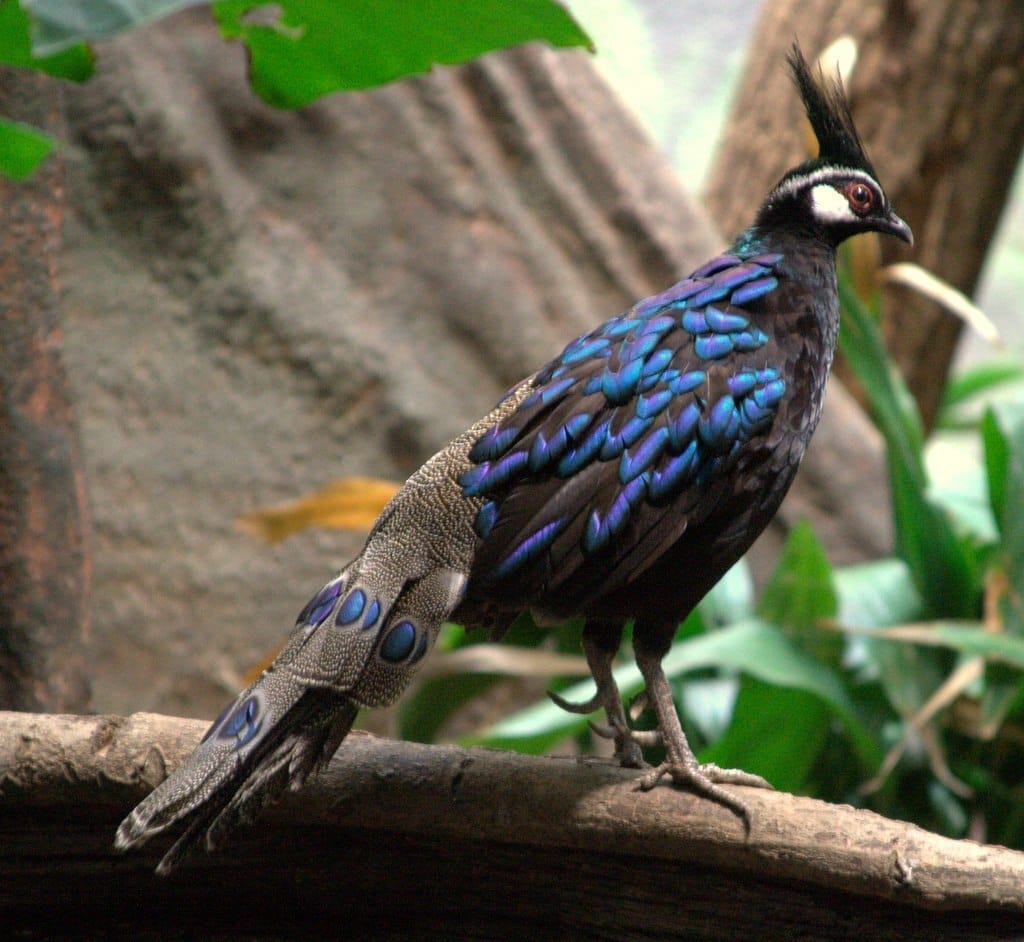
In the 7,000+ islands of the Philippines, nature has written its own masterpiece — a tapestry of mountains, forests, coasts and skies that hosts some of the world’s most unique bird life. Among lush tropical forests and misty highlands live species found nowhere else on Earth. These endemic birds are living symbols of the country’s biodiversity, evolutionary wonder and fragile ecological balance. Our latest blog post explores the rare feathered treasures of the Philippines, the stories behind them, and why protecting them matters to nature lovers and travelers alike.
What Makes a Bird “Endemic” — And Why It Matters
An endemic species is one that lives naturally only in a specific place. The birds we’re highlighting aren’t just rare — they evolved here, shaped by island terrain, climate and isolation. In the Philippines — a high point of global biodiversity — endemism reflects ancient landscapes and evolutionary creativity.
Feathered Treasures Unique to the Philippines
Across the archipelago, several bird species stand out for their beauty, rarity and distinct identity:
Philippine Eagle: Perhaps the most iconic, the Philippine Eagle is one of the world’s largest eagles. With powerful talons, a crest of feathers framing its face, and a haunting gaze, it soars through rainforest canopies of Luzon, Samar and Mindanao. Its size, presence and endangered status make it a flagship for conservation.
Visayan Hornbill: Found only in the Visayan islands, this hornbill’s large bill and raucous calls are unmistakable. It plays a key role in seed dispersal — helping forests regenerate.
Palawan Peacock-pheasant: A stunning bird of Palawan’s forests, the male’s iridescent plumage and regal strut make it among the archipelago’s most striking endemic species.
Luzon Bleeding-heart: Named for the reddish feather patch across its chest, this dove is elusive and shy — a gentle forest floor dweller found in Luzon’s lowland forests.
Threats Facing Endemic Birds
Despite their wonder, these birds face serious pressures:
Habitat loss — Deforestation for agriculture, logging and urban expansion reduces the forests these birds depend on.
Hunting & wildlife trade — Some species are targeted for meat or the pet trade, even when illegal.
Climate change — Changing rainfall, temperature and sea-level patterns affect delicate habitats.
How Travelers Can Help Protect These Treasures
Observing these birds responsibly — without disturbance, without feeding or enticement — supports ethical eco-tourism.
Visit protected areas where guided, low-impact birdwatching is supported.
Support local guides and conservation efforts — tourism can reinforce stewardship when done respectfully.
Learn first, then watch quietly — understanding behavior increases appreciation and reduces disruption.
The Philippines’ endemic birds are more than beautiful creatures — they are living chapters in an evolutionary story written across islands and ages. Protecting them means protecting forests, communities, and our shared natural legacy.

Philippine Visa Application Checklist 2026 — A Clear Guide for Travelers
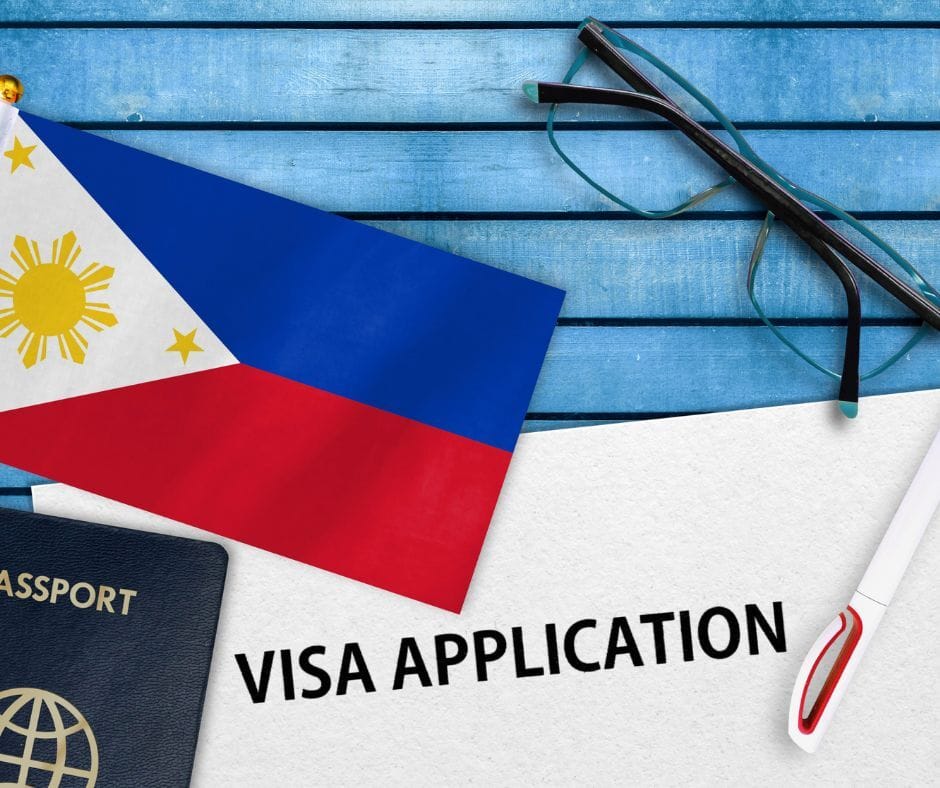
Planning a trip to the Philippines in 2026? Whether you’re headed here for island beaches, cultural festivals, family visits, or business, one practical step stands first: your visa application. Navigating requirements can feel overwhelming — especially when rules change year to year — but having a clear checklist makes the process much smoother. In our latest blog post, we break down what you need, step by step, so you can prepare with confidence and focus on the adventure ahead.
Who Needs a Visa — Quick Overview
Many nationalities can enter the Philippines visa-free for short stays, but others need to apply for a visa in advance. The exact requirements depend on your country of citizenship and the purpose of your visit — tourism, business, work, or long-term stay. The key is to check the rules before you book flights or make arrangements, because each category has distinct documentation needs.
Understanding which visa type applies to you is the first step toward a successful application.
Core Documents You’ll Need
Most Philippine visa applications ask for a consistent set of basic documents. Prepare these early so you’re not scrambling at the last minute:
1. Valid Passport
Your passport should generally be valid for at least six months beyond your intended stay. If it’s nearing expiration, renew it first.
2. Completed Visa Form
Available via the Philippine embassy or consulate website in your region, this form collects your basic travel details. Complete it honestly and legibly.
3. Recent Passport-Size Photos
Images should be clear, recent, and conform to the size and background requirements specified by the embassy or consulate.
4. Proof of Travel Arrangements
Airline reservations, hotel bookings, or an itinerary help prove your travel plans and intended duration in the Philippines.
5. Proof of Financial Capacity
Bank statements or income documentation show that you can support yourself during your stay — a common requirement for visa approval.
6. Return or Onward Ticket
This shows you don’t intend to overstay — a critical piece in visa evaluations.
7. Visa Fee Payment Receipt
Different visa categories have distinct fees; make sure you know the amount and proper payment method accepted by your consulate.
Additional Requirements for Specific Visa Types
Depending on your purpose, you may need extra documentation:
Business Visa: Letter from your employer, invitation letter from a Philippine company, or proof of business engagements.
Work Visa: Approved work permit (TESDA or DOLE certification) and employer sponsorship.
Student Visa: Acceptance letter from a Philippine educational institution and proof of tuition or financial support.
Long-Stay Visitor Visa: Evidence of long-term plans, accommodations, and financial resources.
Consult the embassy’s official checklist for your exact visa category to avoid omissions.
Tips for a Smooth Application
Start early: Embassies can have high demand, especially before peak travel months.
Double-check details: Small mistakes (misspelled names, incorrect dates) can delay processing.
Follow consulate guidance: Requirements vary slightly by location — use the embassy website specific to your country.
Visas are a small part of travel logistics — but getting them right makes everything else easier: arrival, accommodation, tours, and local experiences. With this checklist as your guide, you’re well prepared to take the next step in your Philippine adventure.


Adventure curated by the brands you trust

REI Co-op and Intrepid Travel have teamed up to take you somewhere extraordinary.
Hike Nüümü Poyo, also known as the John Muir Trail, one of America's most iconic multi-day treks, while forming lasting bonds with like-minded adventurers.
Set up camp each night with iconic backdrops and get to know your fellow travelers over dinners prepared by your local trip leader, who handles all the logistics so you can focus on the adventure.
This trip is part of a curated collection of small-group adventures across 85+ destinations worldwide. And right now, REI Co-op members save 15% on this REI Exclusive trip.
For T&Cs and more info, click here.
Reply