- Finding Utopia Newsletter
- Posts
- The Philippine Deep — Exploring One of the Deepest Places on Earth
The Philippine Deep — Exploring One of the Deepest Places on Earth
Stories: The Philippine Deep — Exploring One of the Deepest Places on Earth; A Rare Rafflesia Bloom Shows Mount Kanlaon’s Forests Are Still Thriving

KGM Resorts
July 15, 2026

In partnership with

Hello and Mabuhay!
Welcome to Finding Utopia — your trusted guide to exploring the wonders of the Philippines and beyond.
In this edition, we bring you inspiring stories and essential travel insights to fuel your next adventure:
The Philippine Deep — Exploring One of the Deepest Places on Earth
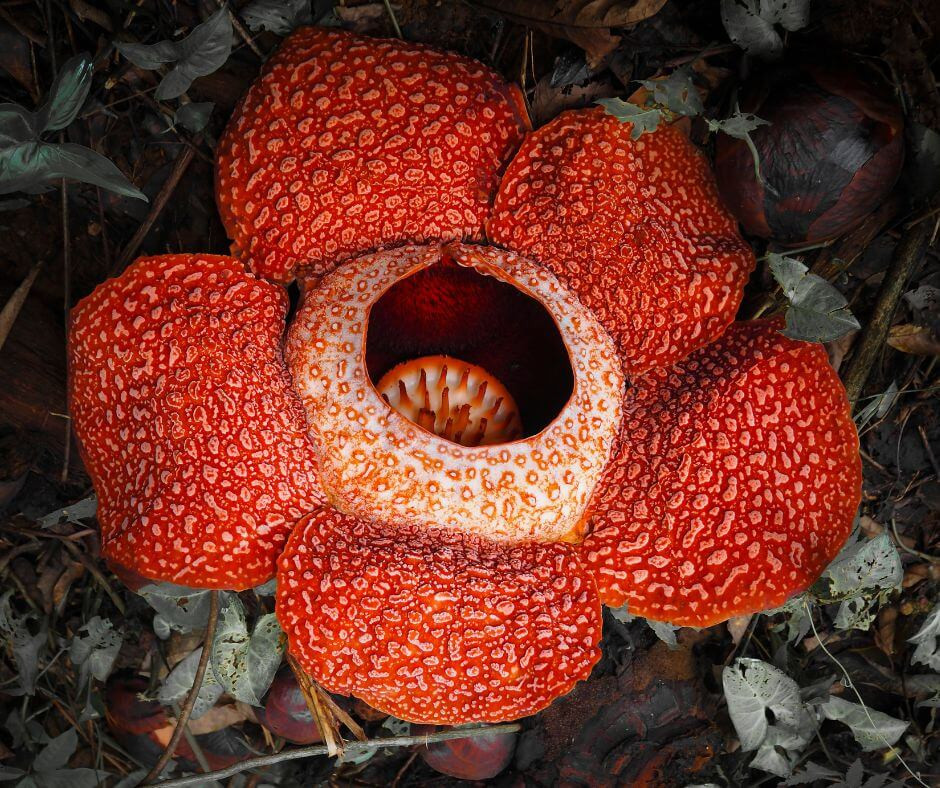
A Rare Rafflesia Bloom Shows Mount Kanlaon’s Forests Are Still Thriving
Wherever you're dreaming of going next, we're here to guide you closer to your utopia.
Enjoy the read!
— The Finding Utopia Team
The Philippine Deep — Exploring One of the Deepest Places on Earth

Far beneath the surface of the Philippine Sea lies one of Earth's last great frontiers—the Philippine Deep. Hidden beneath miles of ocean water, this immense underwater trench reaches depths of more than 10 kilometers, making it one of the deepest places on the planet. Although few people will ever see it firsthand, the Philippine Deep plays a vital role in understanding the Earth's geology, ocean ecosystems, and the remarkable natural forces that continue to shape our world.
Unlike the country's famous beaches, coral reefs, and tropical islands, the Philippine Deep remains largely unexplored. Permanent darkness, near-freezing temperatures, and crushing pressure create one of the harshest environments on Earth. Yet scientists believe this mysterious underwater world may still hold countless undiscovered species and valuable clues about life in the deepest parts of the ocean. Below are some of the reasons why the Philippine Deep is considered one of the world's greatest natural wonders.
1. One of the Deepest Places on Earth
The Philippine Deep ranks among the planet's deepest ocean trenches.
Reaches depths of more than 10 kilometers
Located in the Philippine Sea east of Mindanao
Formed by the movement of tectonic plates
Its immense depth places it among the world's most extraordinary underwater landscapes.
2. A Window into Earth's Powerful Geology
The trench was created by powerful geological forces.
Formed through the subduction of tectonic plates
Part of the seismically active western Pacific region
Helps scientists study earthquakes and plate movement
The same geological activity that created the trench also shaped much of the Philippine archipelago.
3. Home to Life in Extreme Conditions
Despite its harsh environment, the Philippine Deep supports marine life.
Organisms survive without sunlight
Species have adapted to crushing water pressure
Scientists continue searching for previously unknown marine creatures
Each expedition has the potential to reveal discoveries that expand our understanding of life on Earth.
4. One of the Ocean's Least Explored Frontiers
Much of the Philippine Deep remains unexplored.
Deep-sea exploration is technically challenging
Only a small portion has been scientifically studied
New discoveries remain possible with every research mission
The trench reminds us how much of our planet still remains unknown.
5. Important for Ocean Science
The Philippine Deep contributes to global scientific research.
Helps scientists understand deep-ocean ecosystems
Provides insights into Earth's geological history
Supports research on marine biodiversity and ocean processes
Studying the trench benefits both marine science and our understanding of the planet.
The Philippine Deep is one of the country's most remarkable natural features.
Complements the Philippines' mountains, volcanoes, and coral reefs
Demonstrates the country's extraordinary geological diversity
Highlights the importance of protecting marine environments
Although hidden beneath the waves, it is one of the Philippines' greatest natural treasures.
The Philippine Deep is more than one of the deepest places on Earth—it is a reminder that some of our planet's greatest wonders remain hidden beneath the ocean. Its mysterious depths, unique ecosystems, and geological significance continue to inspire scientists and explorers seeking to understand the last unexplored regions of our world.
While few people will ever descend into its darkness, the Philippine Deep stands as one of the Philippines' most extraordinary natural wonders. It reminds us that even in an age of satellites and advanced technology, the greatest discoveries may still lie beneath the waves, waiting to be explored.

A Rare Rafflesia Bloom Shows Mount Kanlaon’s Forests Are Still Thriving

Even amid volcanic unrest, nature continues to reveal remarkable signs of resilience. A recent sighting of the rare Rafflesia inside Mount Kanlaon Natural Park has reminded Filipinos that some of the country's most valuable natural treasures continue to thrive within its protected forests. Known as one of the world's largest flowers and found only in parts of the Philippines, the discovery highlights the ecological importance of Mount Kanlaon as a sanctuary for biodiversity and the ongoing success of conservation efforts in the region.
The rare bloom was documented by members of the Kanlaon Green Brigade in the protected forests of Barangay Ilijan, Bago City, Negros Occidental. Measuring about 40.5 centimeters across, the endangered flower serves as more than a botanical curiosity—it is an indicator of a healthy forest ecosystem capable of supporting rare and specialized species. The discovery reinforces why protecting the country's remaining natural habitats is so important. Here are some of the key reasons this remarkable sighting matters.
1. A Rare Discovery in a Protected Forest
The sighting of Rafflesia is an exciting conservation milestone.
The flower is endemic to the Philippines
It was discovered inside Mount Kanlaon Natural Park
Its presence reflects the health of the surrounding forest ecosystem
Finding this endangered species is an encouraging sign for biodiversity conservation.
2. One of the World's Most Extraordinary Flowers
Rafflesia is unlike almost any other flowering plant.
Famous for producing one of the world's largest individual flowers
Has no visible leaves, stems, or roots
Depends on a host vine to survive
Its unusual biology makes it one of nature's most fascinating botanical species.
3. Mount Kanlaon Remains a Biodiversity Sanctuary
The discovery highlights the importance of protected areas.
The park shelters diverse plant and animal species
Forest ecosystems continue to support rare endemic wildlife
Protected habitats help preserve the Philippines' natural heritage
Healthy forests provide refuge for species found nowhere else on Earth.
4. Conservation Efforts Are Making a Difference
The sighting reflects years of environmental protection.
Park rangers and conservation groups monitor the protected area
Local conservation initiatives help safeguard sensitive habitats
Continued protection allows rare species to survive
The discovery demonstrates the value of long-term conservation efforts.
5. Nature Continues to Thrive Despite Challenges
The bloom was discovered even as Mount Kanlaon remains under volcanic unrest.
Wildlife and native plants continue to persist in protected habitats
Natural ecosystems show remarkable resilience
The discovery offers hope for ongoing biodiversity conservation
It is a reminder that nature often continues to flourish when given the opportunity.
6. Protecting Forests Protects the Future
Every rare species plays an important role in the ecosystem.
Conserving forests safeguards biodiversity
Protected areas support scientific research and environmental education
Responsible stewardship benefits future generations
The survival of species like Rafflesia speciosa depends on preserving the forests they call home.
More Than a Flower — A Symbol of Hope for Philippine Biodiversity
The discovery of Rafflesia in Mount Kanlaon Natural Park is more than a rare botanical event. It is a powerful reminder that the Philippines' protected forests continue to serve as sanctuaries for some of the world's most extraordinary plants and wildlife. Even in the face of natural challenges, these ecosystems remain vibrant, resilient, and full of life.
As conservation efforts continue across the country, discoveries like this inspire renewed appreciation for the Philippines' remarkable biodiversity. They remind us that protecting forests today helps ensure that future generations will continue to marvel at the natural wonders that make the Philippines one of the world's richest centers of life.
Wild Philippines: An Adult Coloring Book
Discover the rare and extraordinary endemic animals of the Philippines through this beautifully detailed adult coloring book inspired by the country’s unique biodiversity. From the majestic Philippine Eagle and the tiny Philippine Tarsier to rare forest mammals, vibrant birds, and fascinating marine species found nowhere else on Earth, every page celebrates the remarkable wildlife of the Philippine archipelago. Featuring intricate tribal-inspired patterns, tropical elements, and nature-themed designs, this coloring book invites you to explore, unwind, and connect with the wild beauty of the Philippines.


Overpaying for car insurance? Find out.

Find out if you have the best deal. Compare multiple car insurance quotes in one place and compare them to your current monthly rate. Just answer a few questions on LendingTree and get your quotes instantly.
Reply