- Finding Utopia Newsletter
- Posts
- When Is the Best Time to Visit the Philippines — A Seasonal Guide for Travelers
When Is the Best Time to Visit the Philippines — A Seasonal Guide for Travelers
Stories: When Is the Best Time to Visit the Philippines — A Seasonal Guide for Travelers; Mounts Palay Palay–Mataas-na-Gulod — A Natural Escape Near Manila; Gabu Wetland — Laoag’s Natural Treasure Poised for Protection

KGM Resorts
January 30, 2026

Hello and Mabuhay!
Welcome to Finding Utopia — your trusted guide to exploring the wonders of the Philippines and beyond.
In this edition, we bring you inspiring stories and essential travel insights to fuel your next adventure:
When Is the Best Time to Visit the Philippines — A Seasonal Guide for Travelers
Mounts Palay Palay–Mataas-na-Gulod — A Natural Escape Near Manila
Gabu Wetland — Laoag’s Natural Treasure Poised for Protection
Wherever you're dreaming of going next, we're here to guide you closer to your utopia.
Enjoy the read!
— The Finding Utopia Team
When Is the Best Time to Visit the Philippines — A Seasonal Guide for Travelers

The Philippines’ tropical archipelago invites travelers year-round with sun-kissed beaches, lush mountains, vibrant festivals, and rich cultural experiences. But like any destination shaped by weather, wind, and seasonal rhythms, the best time to visit depends on what you want to see and do. From clear skies and calm seas to quiet shoulder months and festive celebrations, understanding the seasons helps you plan a trip that’s both smooth and unforgettable. Our latest blog post explores the best times to visit — tailored to climate, activities, and local experiences you won’t want to miss.
Dry Season — November to April (Peak Travel Time)
For most travelers, the dry season is the ideal window for Philippine travel. During these months:
Weather is generally sunny and stable — especially from December through March, when rainfall is minimal.
Beach days are reliable — perfect for swimming, island hopping, diving, snorkeling, and coastal hikes.
Outdoor events and excursions flourish — waterfalls are beautiful, treks are accessible, and cities hum with activity.
This period also aligns with peak tourism in many regions. Resorts fill up, tours are busy, and price tags trend higher due to demand. But the payoff is often worth it: predictably good weather, smoother sea conditions, and unforgettable panoramas across places like Palawan, Siargao, Bohol, and more.
Best for: Beach lovers, divers, photographers, first-time visitors, and itinerary planners who want stable weather.
Shoulder Months — May & October (Balanced Travel)
If you prefer fewer crowds without sacrificing much in scenery, consider the shoulder months:
May kicks off warmer temperatures with occasional rainfall — but many areas remain accessible and vibrant.
October brings softened crowds after summer peak, and lush landscapes after rains.
While weather is slightly more unpredictable than the dry peak, these months still offer strong travel value — especially for visitors flexible with scheduling and local excursions.
Best for: Travelers who enjoy balance — quieter destinations with still-beautiful vistas and good deals.
Rainy Season — June to September (Green & Wild Beauty)
The rainy season brings tropical showers — often intense but short-lived — and dynamic weather patterns. While this time isn’t ideal for open-ocean activities, it has its own appeal:
Lush green landscapes and flowing waterfalls make inland nature tours spectacular.
Surfing is excellent on east-facing breaks like Siargao’s Cloud 9.
Lower travel costs and fewer crowds appeal to budget travelers and adventurers.
Just plan for flexibility: rain can affect ferry schedules, hikes, and some outdoor plans. But for those who embrace dramatic skies and quieter beaches, the rainy months have their own magic.
Best for: Budget travelers, surfers, waterfall chasers, and nature enthusiasts.
Tips for Choosing Your Window
Check festivals and events — Many local celebrations, like Sinulog (January) and Panagbenga (February), influence timing.
Monitor typhoon season — The west Pacific can be active between July and October; choose areas and dates with caution.
Decide by activities — Dugong dives, whale shark swims, beach lounging, jungle treks — each activity has a perfect season.
A Year of Possibilities
There’s no single “best” time to visit the Philippines — only the best time for you. Whether you chase sunlit shores, quiet hiking circuits, festive crowds, or vibrant marine life, planning around weather and seasons helps you make the most of every moment here.

Mounts Palay Palay–Mataas-na-Gulod — A Natural Escape Near Manila

Not far from the bustle of Metro Manila lies a landscape that feels like another world — where rolling ridges, cloud-kissed trails, deep forests and sweeping views invite you to breathe deeper, move slower, and reconnect with the wild. Mounts Palay Palay–Mataas-na-Gulod Protected Landscape (PPMGPL) is one of Luzon’s most accessible yet truly immersive nature destinations — a mountain range that rewards both experienced trekkers and curious travelers alike. In our latest blog post, we explore what makes this protected landscape so special, the experiences waiting on its slopes, and why it deserves a place on your adventure list.
Where Hills Meet Sky — The Heart of PPMGPL
The Palay Palay–Mataas-na-Gulod range rises in the provinces of Cavite and Batangas, forming a stretch of terrain that balances rugged beauty with proximity to urban centers. Unlike steep volcano cones or tropical jungles, this landscape blends grassy ridges, forested valleys and limestone outcrops that shift with the seasons — green in rain, amber at sun-bleached heights.
From its peaks you can see horizon lines that stretch toward Luzon’s southern coast, feel breezes that carry salt from nearby seas, and watch as morning mist clings to forest edges before lifting into sunlight.
This blend of coastal influence and highland terrain creates a unique mountain experience close to Manila and yet worlds away in spirit.
Trek Highlights — Routes & Rewards
There are several ways to explore this protected landscape — from shorter hikes that suit beginners to ridge traverses that challenge experienced adventurers:
Mataas-na-Gulod Trail: A favorite route that climbs to ridges with sweeping views, panoramic wild grasslands and opportunities to watch sunrise or sunset from high vantage points.
Maping Peak: A rewarding summit that reveals wide sea-to-sky views — ideal for photographers and nature lovers alike.
Forest Sections & Limestone Outcrops: For those who lean into biodiversity, deeper trails move through shaded forest patches where birds, insects and endemic plants thrive.
Whether your goal is a day hike or a multi-peak trek, the journey unfolds with terrain variety and rich vistas — making every step feel purposeful.
Nature, Conservation & Quiet Presence
Declared a protected landscape, PPMGPL isn’t just a playground for hikers — it’s a living ecosystem. The region supports wildlife, water sources and native flora that depend on conservation protections. Responsible travel here means staying on marked trails, minimizing waste, respecting wildlife, and supporting local guides who know the land intimately.
This respect honors both the ecology and the human communities that have lived with these mountains for generations.
Why This Landscape Matters to You
Mounts Palay Palay–Mataas-na-Gulod offers more than fresh air and scenic trails:
Escape close to Manila: Just a few hours from the capital, this landscape offers a refreshing shift in pace.
Visual variety: Grassy ridges, shaded forests, limestone features and distant sea views — all in one trek.
Meaningful adventure: The mountain invites you not just to arrive, but to experience — each ridge, breeze and viewpoint shaped by time, nature and quiet presence.
For travelers seeking nature with depth, accessibility and soul, this protected landscape is both an invitation and a reminder: beauty isn’t always remote — sometimes it’s just beyond the city edge, waiting to be explored.

Gabu Wetland — Laoag’s Natural Treasure Poised for Protection
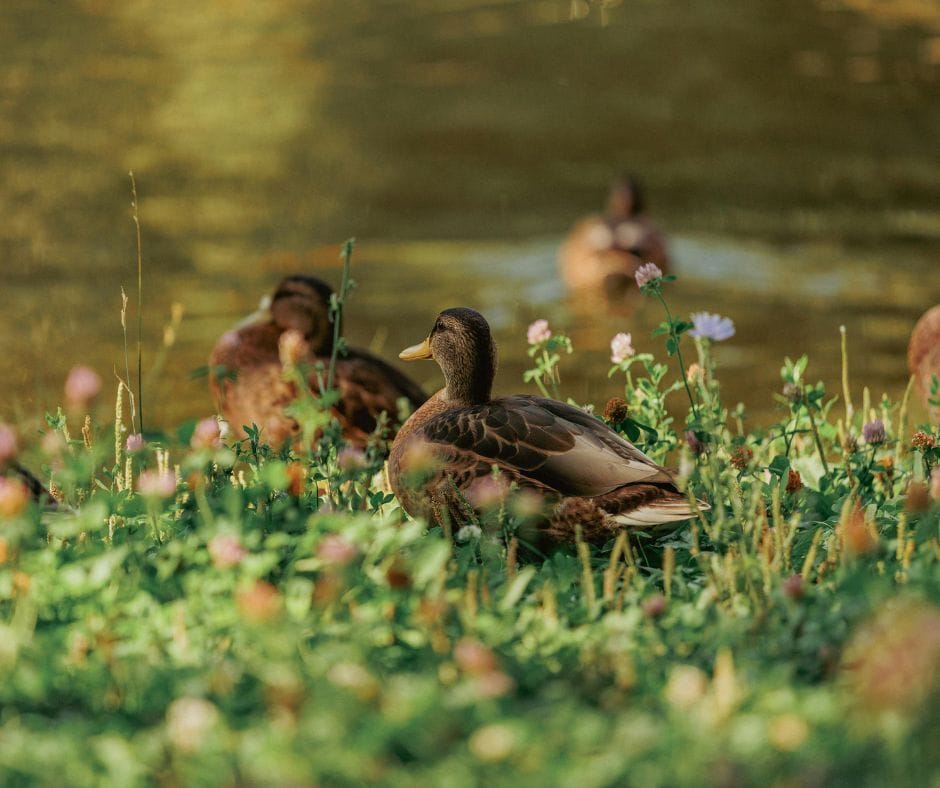
Nestled in the city of Laoag in Ilocos Norte lies a coastal wetland that environmental advocates say deserves both attention and protection: Gabu Wetland. Recently, the Department of Environment and Natural Resources (DENR) urged its formal designation as a protected area — a move that could safeguard its ecological richness, support local livelihood, and enhance resilience against climate threats.
Unlike forests or mountains, wetlands often go unnoticed — yet they are among the most dynamic and life-supporting ecosystems on the planet. Gabu Wetland is no exception: it harbours a mosaic of shallow waters, mudflats, mangroves, and grasslands that sustain birds, fish and coastal species, while also acting as a natural buffer between sea and shore.
More Than Mud — Why Gabu Matters
Wetlands like Gabu are “ecosystems in disguise”: places where land meets water, and life thrives in subtle, interconnected ways. These areas help regulate water flow, nurture juvenile marine life, and provide food and habitat for migratory and resident birds. They also serve functional roles that benefit people:
Flood and storm protection: Wetlands absorb and slow storm surge, helping to ease flooding in surrounding communities.
Carbon capture: Vegetated wetland soils and roots store carbon — playing a role in climate mitigation.
Economic support: Fishers, harvesters and local communities depend on healthy wetland function for sustenance and income.
A Step Toward Sustainable Conservation
The DENR’s move reflects growing recognition that natural landscapes are essential infrastructure, not just scenery. When an area becomes a legally protected landscape or wetland, it benefits from policy support, legal safeguards against degradation, and a clearer framework for managing human activities. Conservation status can also help attract responsible tourism and scientific research — blending protection with opportunity.
Wetlands like Gabu often stand at the crossroads of human and ecological needs. Protecting them isn’t just about preserving biodiversity — it’s about maintaining natural systems that support life on land and sea. In an era of climate uncertainty and rapid environmental change, these ecosystems offer both resilience and refuge.
What Protection Could Mean for Laoag
For Laoag and its neighbouring communities, Gabu Wetland’s protection could bring:
Stronger environmental oversight — preventing destructive development or unregulated activities.
Sustainable livelihoods — through eco-tourism, guided birdwatching, and community-led conservation programs.
Educational opportunities — as schools and researchers explore wetland ecology and coastal adaptation.
Declaration as a protected area wouldn’t remove local access or cultural connection — but it would add a layer of care that respects both nature and people. For travelers and nature lovers, it would highlight Gabu as a living ecosystem worth visiting thoughtfully and respectfully.
A Reminder from the Wetlands
Wetlands are often quiet, unassuming landscapes — but they are powerful guardians of ecological balance. Gabu Wetland, looming on the horizon of Laoag, invites us to see nature not just as beautiful, but as essential. Its protection would signal recognition not only of its biodiversity, but of the value of coexistence between communities and natural heritage.
Read the full PNA news article: “DENR urges declaration of Gabu wetland in Laoag as protected area.”


Reply