- Finding Utopia Newsletter
- Posts
- Wild Animals of the Philippines — A Nation of Extraordinary Biodiversity
Wild Animals of the Philippines — A Nation of Extraordinary Biodiversity
Stories: Wild Animals of the Philippines — A Nation of Extraordinary Biodiversity; The Korean Community in the Philippines — Culture, Migration & Modern Connections; Central Visayas and Calabarzon Lead Philippine Tourism Growth

KGM Resorts
March 13, 2026

Sponsored by

Hello and Mabuhay!
Welcome to Finding Utopia — your trusted guide to exploring the wonders of the Philippines and beyond.
In this edition, we bring you inspiring stories and essential travel insights to fuel your next adventure:
Wild Animals of the Philippines — A Nation of Extraordinary Biodiversity
The Korean Community in the Philippines — Culture, Migration & Modern Connections
Central Visayas and Calabarzon Lead Philippine Tourism Growth
Wherever you're dreaming of going next, we're here to guide you closer to your utopia.
Enjoy the read!
— The Finding Utopia Team
Wild Animals of the Philippines — A Nation of Extraordinary Biodiversity
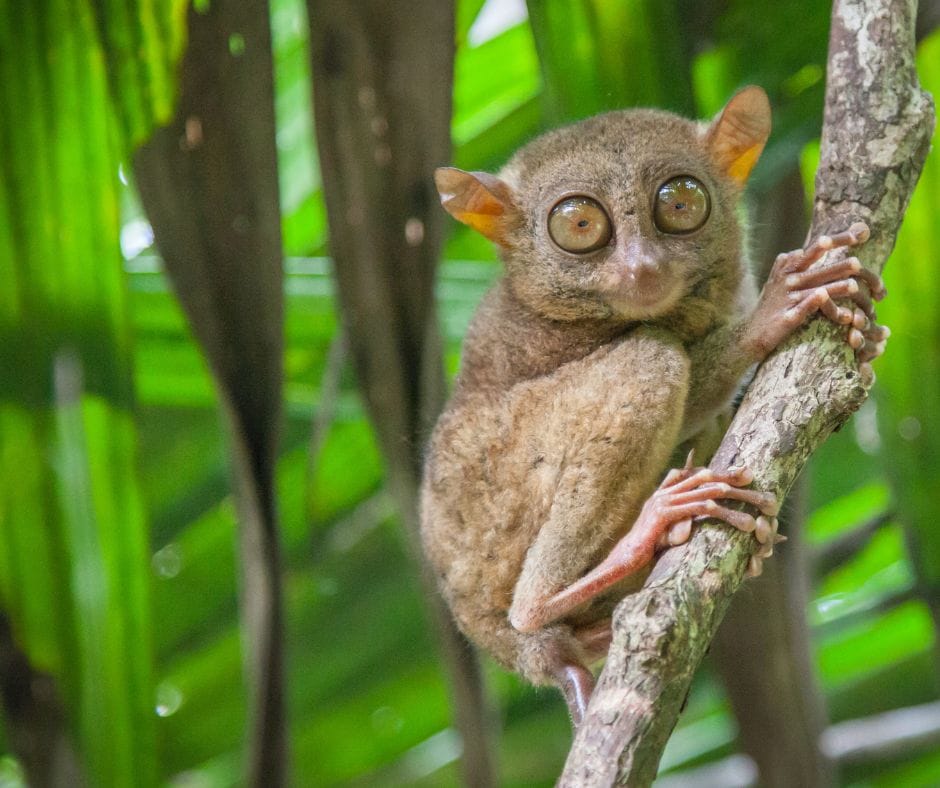
The Philippines is widely recognized as one of the world’s most important biodiversity hotspots, home to an extraordinary variety of wildlife found nowhere else on Earth. Spread across more than 7,600 islands, the archipelago’s diverse landscapes—from tropical rainforests and mountain ranges to mangrove forests and coral reefs—create ideal habitats for thousands of species.
Scientists estimate that over 50,000 species live across the Philippines, including mammals, birds, reptiles, amphibians, and marine life. What makes this biodiversity especially remarkable is the high number of endemic species—animals that evolved in isolation on different islands and exist nowhere else on the planet.
These unique ecosystems make the Philippines one of the most exciting destinations for wildlife discovery. Below are some of the most fascinating animals that call the Philippine archipelago home.
Philippine Eagle — The King of Philippine Skies
The Philippine eagle is one of the most iconic animals in the country.
It is among the largest and most powerful eagles in the world.
Found mainly in the forests of Luzon, Samar, Leyte, and Mindanao.
This national bird symbolizes both the country’s natural heritage and the importance of forest conservation.
Philippine Tarsier — One of the World’s Smallest Primates
The Philippine tarsier is one of the most unusual animals found in Southeast Asia.
Known for its huge eyes adapted for night vision.
Native to the forests of Bohol, Samar, and Mindanao.
Despite its tiny size, it can leap several meters between branches when hunting insects.
Tamaraw — The Rare Wild Buffalo of Mindoro
The tamaraw is a small but powerful wild buffalo found only on the island of Mindoro.
Recognized by its short V-shaped horns.
Lives primarily in the island’s grasslands and forest areas.
Classified as critically endangered due to habitat loss and hunting.
Philippine Pangolin — The Elusive Forest Guardian
Another rare animal of the Philippines is the Philippine pangolin.
Found mainly in the forests of Palawan.
Covered in protective keratin scales that act as armor against predators.
Considered one of the most heavily trafficked animals in the world due to illegal wildlife trade.
Giant Golden-Crowned Flying Fox — The World’s Largest Bat
The Philippines is also home to the giant golden-crowned flying fox, one of the largest bats on Earth.
It can reach a wingspan of up to 1.7 meters (5.6 feet).
This fruit bat plays a crucial role in seed dispersal and forest regeneration.
Protecting the Philippines’ Wildlife
The extraordinary wildlife of the Philippines reflects millions of years of island evolution and ecological diversity. From forest primates and rare birds to unique reptiles and marine life, the country’s animals represent a priceless natural heritage.
However, many species face threats from deforestation, habitat loss, and illegal wildlife trade. Protecting forests, coral reefs, and natural habitats is essential to ensure that these animals continue to thrive in the wild.

Privacy-first email. Built for real protection.

End-to-end encrypted, ad-free, and open-source. Proton Mail protects your inbox with zero data tracking.
The Korean Community in the Philippines — Culture, Migration & Modern Connections
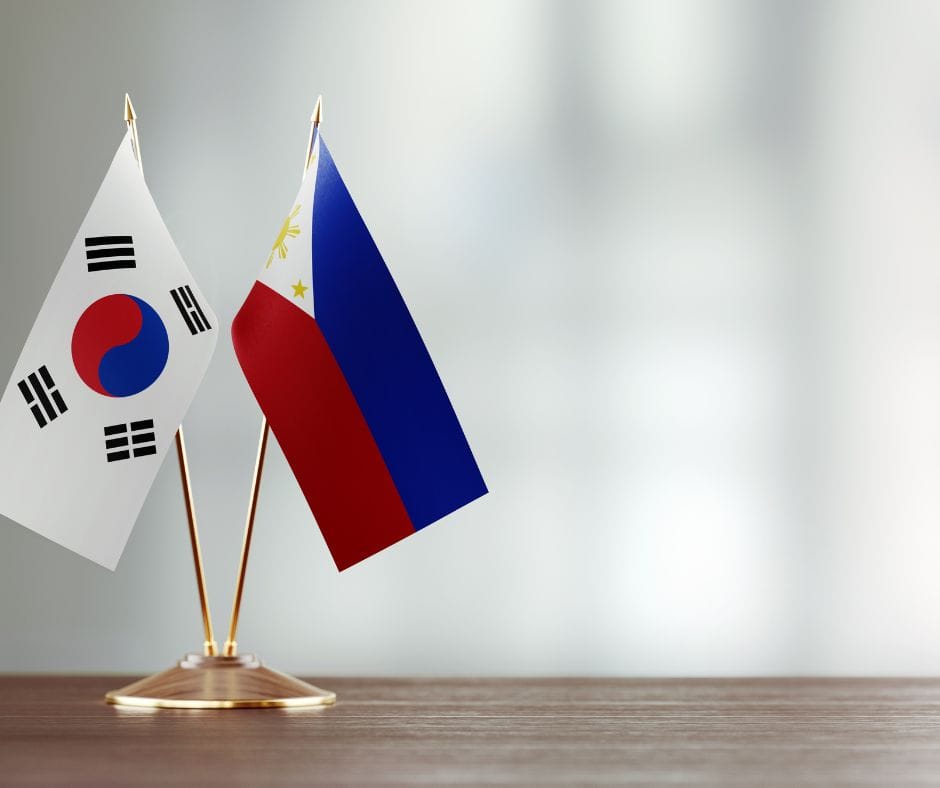
The Philippines has long been a crossroads of cultures, shaped by centuries of trade, migration, and international exchange. Among the most visible international communities in the country today is the Korean community, whose presence has grown significantly over the past few decades. From tourism and education to business and cultural exchange, Koreans living in the Philippines contribute to a vibrant multicultural connection between the two nations.
The growth of this community reflects strong ties between South Korea and the Philippines. Many Koreans are drawn to the country for English-language education, business opportunities, tourism, and lifestyle advantages such as a warm climate and relatively affordable living costs. Over time, their presence has expanded across major cities and tourist destinations, creating thriving neighborhoods, businesses, and cultural institutions that enrich local communities.
Historical Growth of the Korean Community
The Korean presence in the Philippines developed gradually over several decades.
Early migration occurred in small numbers before the late 20th century.
Larger waves of Korean residents began arriving in the 1990s and early 2000s.
Many migrants came for education, tourism, or business opportunities, helping expand cultural and economic ties between the two countries.
Why Many Koreans Choose the Philippines
Several factors attract Korean visitors, students, and residents.
English education: The Philippines has become a popular destination for Koreans studying English in international language schools.
Affordable lifestyle: Living costs such as housing and services are generally lower compared with South Korea.
Climate and island lifestyle: Tropical beaches and warm weather provide a relaxing environment for students, tourists, and retirees.
Major Korean Communities Across the Country
Korean communities are found in several key areas throughout the Philippines.
Metro Manila hosts many businesses, language schools, and cultural centers.
Cebu has become a hub for English-learning academies and tourism.
Angeles City, Baguio, and Davao also have growing Korean populations.
Cultural Exchange Between Filipinos and Koreans
The presence of the Korean community has encouraged strong cultural exchange.
Korean cuisine, language schools, and entertainment have become increasingly visible in Philippine cities.
Korean pop culture—from K-dramas to K-pop—has gained widespread popularity among Filipinos.
At the same time, many Koreans living in the Philippines develop deeper appreciation for Filipino culture, food, and hospitality.
Tourism and Economic Contributions
The Korean community also plays an important role in tourism and local economies.
South Korea is consistently one of the largest sources of foreign visitors to the Philippines.
Korean entrepreneurs operate restaurants, language schools, travel agencies, and other businesses.
These activities support local jobs and contribute to the growth of tourism and education industries.
A Bridge Between Two Cultures
The Korean community in the Philippines reflects the evolving relationship between the two nations. Through education, tourism, business, and cultural exchange, Koreans and Filipinos continue to build connections that enrich both societies.
For travelers and cultural observers, this community offers a fascinating glimpse into how global cultures meet and interact across the Philippine archipelago.

Central Visayas and Calabarzon Lead Philippine Tourism Growth
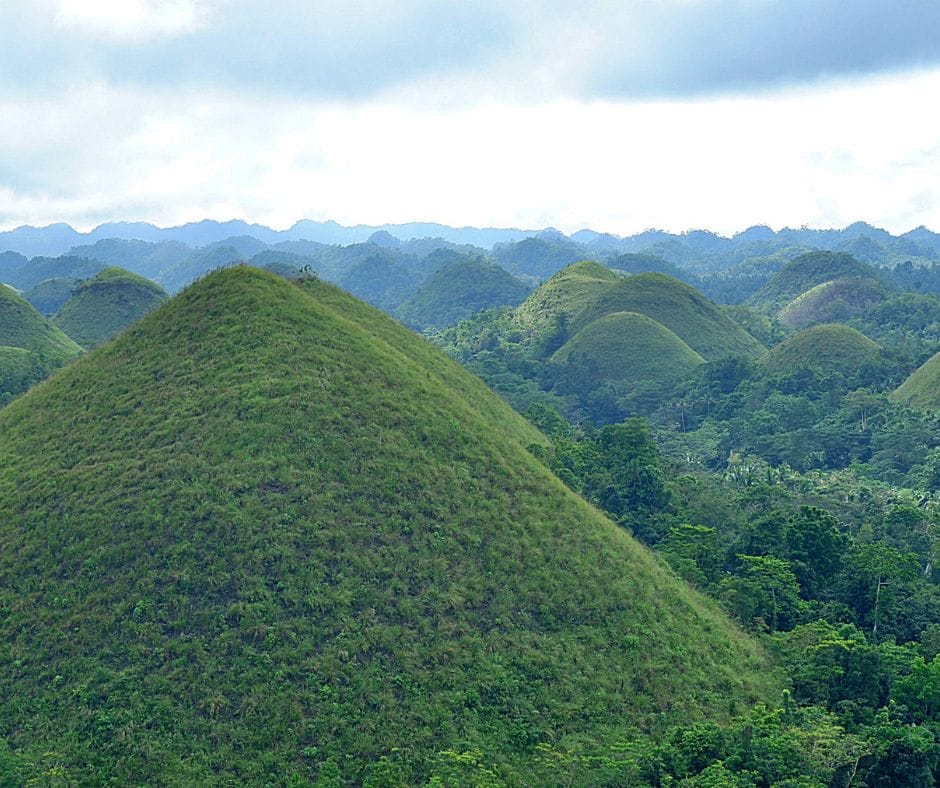
The Philippines’ tourism landscape continues to evolve, and recent research highlights the regions drawing the most visitors over the past two decades. According to a study by the Philippine Institute for Development Studies (PIDS), Central Visayas and Calabarzon have emerged as the country’s most visited destinations for both international and domestic travelers. These regions combine world-class beaches, cultural landmarks, and easy accessibility—making them central pillars of the country’s tourism industry.
The study, titled “Philippine Tourism Sectoral Review (2000 to 2025): From Promise to Power,” shows that Central Visayas attracted 31.5 million foreign visitors between 2000 and 2024, followed by the National Capital Region with 19.6 million arrivals. Meanwhile, Calabarzon—home to Cavite, Laguna, Batangas, Rizal, and Quezon—has become the top destination for domestic travelers, receiving 77.5 million local tourists from 2008 to 2024.
Central Visayas — A Magnet for International Travelers
Central Visayas has become the country’s leading region for foreign tourist arrivals.
The region welcomed 31.5 million international visitors between 2000 and 2024.
Major tourism hubs such as Cebu and Bohol drive much of this popularity.
Activities like island hopping, diving, cultural tours, and marine encounters attract visitors from around the world.
Calabarzon — The Favorite Destination for Filipino Travelers
While Central Visayas dominates international arrivals, Calabarzon leads domestic tourism.
The region recorded 77.5 million domestic travelers from 2008 to 2024.
Its proximity to Metro Manila makes it an easy escape for weekend trips and short holidays.
Natural attractions such as beaches, mountains, and heritage towns attract both leisure and adventure travelers.
Other Regions Attracting International Visitors
Beyond the top two destinations, several regions also recorded significant foreign arrivals.
Western Visayas welcomed 11.8 million foreign visitors, largely driven by Boracay’s global popularity.
Bicol Region recorded 8.8 million visitors, known for iconic landscapes like Mayon Volcano.
Central Luzon attracted 8.3 million foreign tourists, benefiting from improved accessibility and infrastructure.
Domestic Tourism Driving Economic Growth
Domestic travel remains a powerful force in the Philippine tourism economy.
Filipino travelers help sustain tourism businesses throughout the year.
Domestic tourism spending reached USD63.4 billion in 2024, with projections of USD70.8 billion in 2025.
The Philippines now ranks first in Southeast Asia for domestic tourism expenditure, accounting for more than one-third of the region’s total.
A Tourism Industry Powered by Both Local and Global Travelers
The rise of Central Visayas and Calabarzon as the Philippines’ most visited regions reflects the country’s ability to offer diverse travel experiences—from island adventures and marine tourism to cultural heritage and accessible nature escapes.
At the same time, the continued strength of domestic travel demonstrates that Filipino travelers themselves remain a driving force behind the industry’s growth. As infrastructure improves and destinations expand their offerings, the Philippines’ tourism future looks increasingly dynamic and inclusive.


Is Your Retirement Plan Built to Last?

Most people saving for retirement have a number in mind. Fewer have a plan for turning that number into actual income.
The Definitive Guide to Retirement Income walks you through the questions that matter: what things will cost, where the money comes from, and how to keep your portfolio aligned with your long-term goals.
If you have $1,000,000 or more saved, download your free guide and start building a retirement income plan that holds up.
Reply